The Shift to AI in Publishing
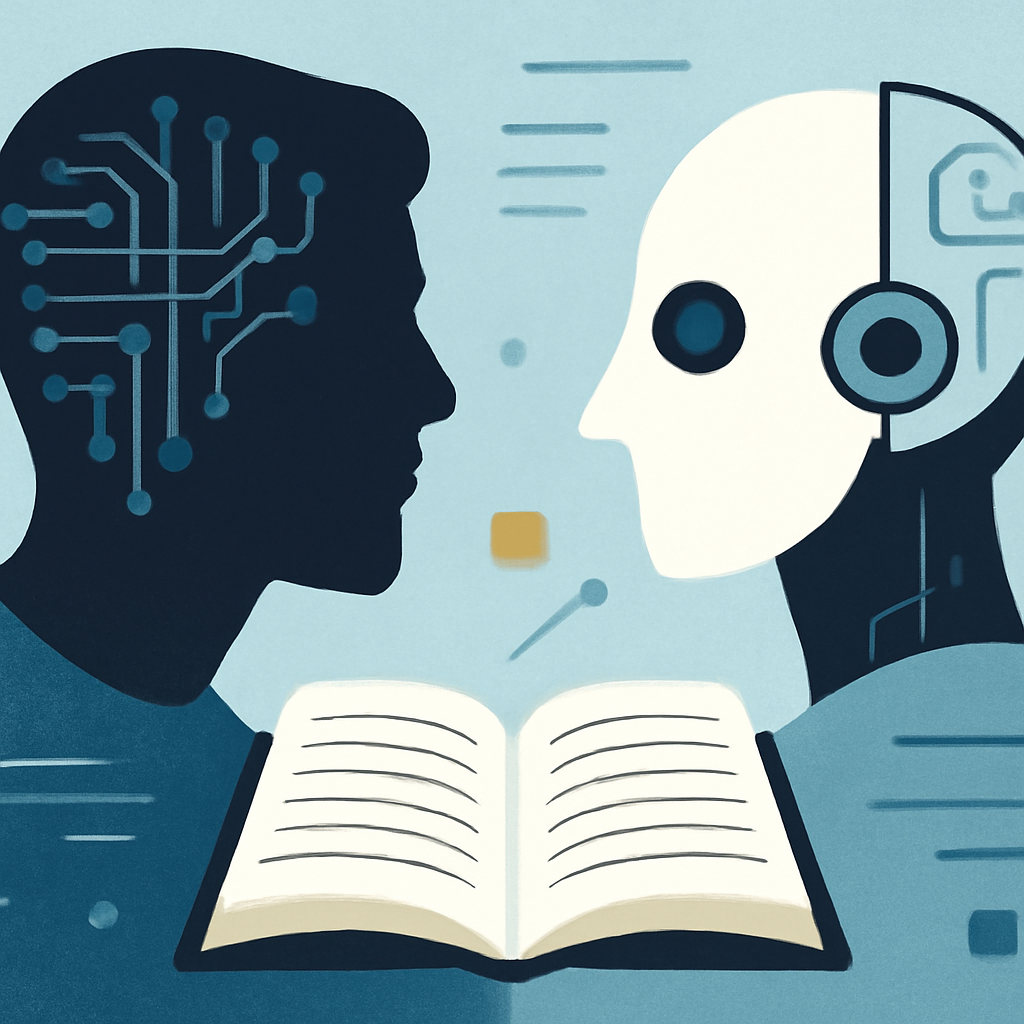
Barnes & Noble’s CEO recently highlighted that AI-written books might already be available in stores. Major publishers like HarperCollins and Harlequin have initiated partnerships to explore AI-generated content. This shift indicates a significant transformation in the publishing industry, where automation may soon play a crucial role in content creation.
Understanding Audience Concerns
Despite the advancements, a survey revealed that 53% of Americans fear that AI could undermine human creativity. This statistic raises critical questions about the nature of authorship and originality in literature. Publishers must navigate these concerns while integrating AI into their workflows, ensuring that the human touch remains integral to storytelling.
The Implementation of AI Tools
Publishers are turning to AI technologies to assist with various stages of book creation, from drafting to editing. Tools like OpenAI's language models can generate plot ideas, character development, and even full chapters. HarperCollins has already signed deals to test these capabilities, aiming to enhance productivity and explore new narrative possibilities. However, the challenge lies in maintaining quality and emotional resonance in AI-generated texts.
Measuring the Impact
Initial trials have shown mixed results. Some AI-generated books achieved decent sales, indicating a market for these products, while others were met with criticism for lacking depth and coherence. As the industry gathers data, the key metrics to watch will be sales numbers, customer feedback, and engagement levels with AI-authored works compared to traditional literature.
Implications for Writers and Readers
For aspiring authors, the rise of AI-written content presents both challenges and opportunities. While it may seem threatening, writers can leverage AI as a tool to enhance their creativity rather than replace it. By understanding how to use AI for brainstorming and editing, authors can streamline their processes and produce higher-quality work. Readers, on the other hand, should remain discerning, seeking out authentic narratives that resonate on a human level.
In conclusion, the emergence of AI-written books is a double-edged sword. While it offers new possibilities for content creation, it also raises essential questions about creativity and authenticity in literature. As the industry evolves, both readers and writers must adapt to this changing landscape.