What Happened
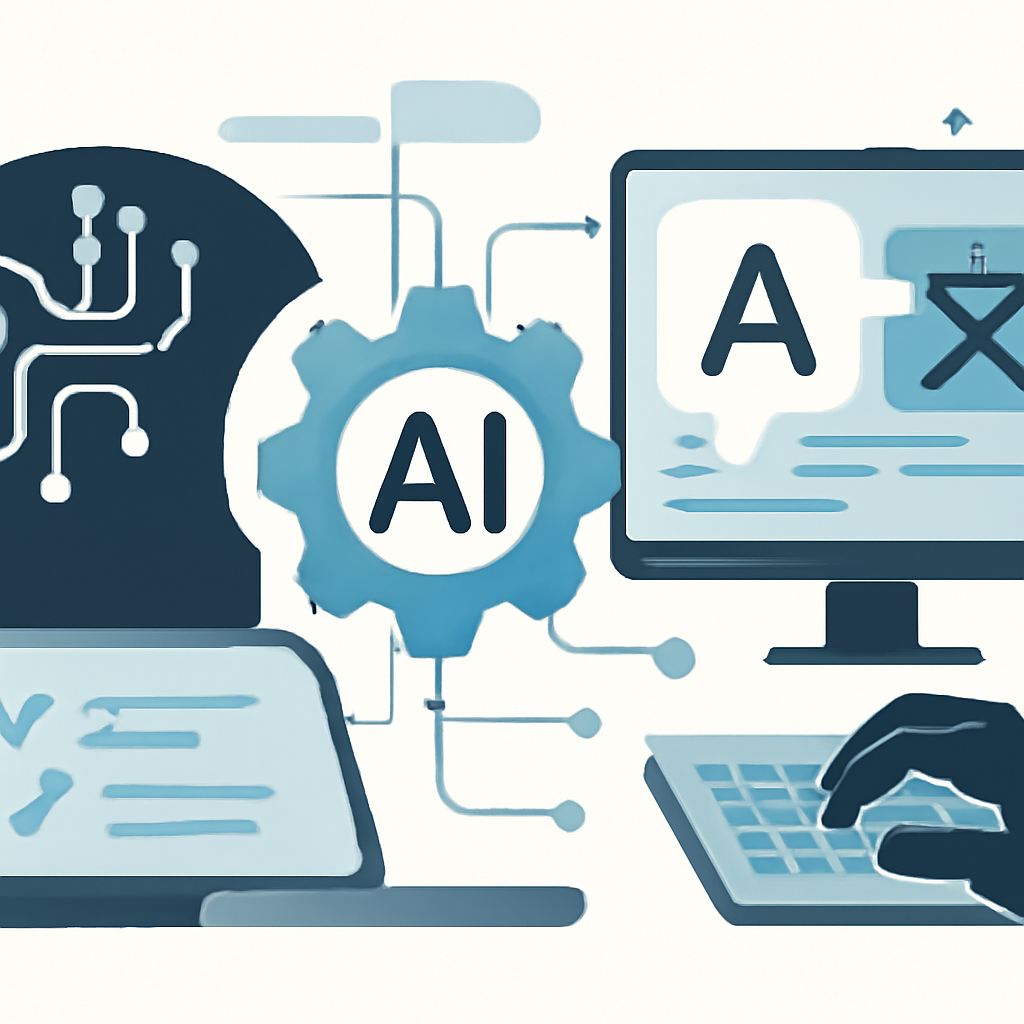
A new workflow has been proposed to tackle the challenge of translating a Chinese book filled with technical terms into English. The process involves creating a specialized glossary using Codex and utilizing ChatGPT for page-by-page translation. The workflow emphasizes identifying and addressing uncertainties in translations to refine the glossary continuously.
Why It Matters
This approach is crucial for professionals working in niche fields where standard translations may fall short. By building a tailored glossary and ensuring that technical terms are accurately translated, users can expect improved quality in their translations. This not only enhances the readability of translated content but also ensures that specialized terminology is used correctly, which is vital for technical documentation.
Context
Translating technical documents presents unique challenges, especially when dealing with specialized jargon. Previous methods often relied on generic glossaries, which might not capture the nuances of a specific niche. The advent of AI tools like ChatGPT and Codex allows for more refined and context-aware translations, paving the way for innovative workflows in technical translation.
What It Means
The proposed workflow represents a significant step forward in the efficiency of technical translation. By continuously updating the glossary and leveraging AI's ability to identify uncertainties, translators can create a more reliable and accurate translation process. This iterative approach not only improves individual translations but also builds a robust database of terms that can be used for future projects, ultimately saving time and enhancing quality.