What Happened
A recent discussion highlights the challenges of fully automating business operations using AI. While many see the potential for AI to streamline processes, the reality is far more complex. The idea that AI can be left to operate autonomously without any human verification is overly simplistic and misleading.
Why It Matters
The implications of misunderstanding AI’s capabilities are significant for businesses. Relying solely on automation without a human safety net can lead to costly mistakes and operational failures. Companies may find themselves wasting resources and jeopardizing their future if they implement AI systems without proper oversight and context.
Context
AI, particularly in its current form, excels at recognizing patterns and making predictions based on vast amounts of data. However, it operates within a framework of probabilities, not certainties. This means that while it can achieve a level of accuracy, it still requires human expertise to interpret results and make informed decisions based on those patterns. Historically, businesses have gradually integrated technology, but the leap to full automation remains fraught with risk.
What It Means
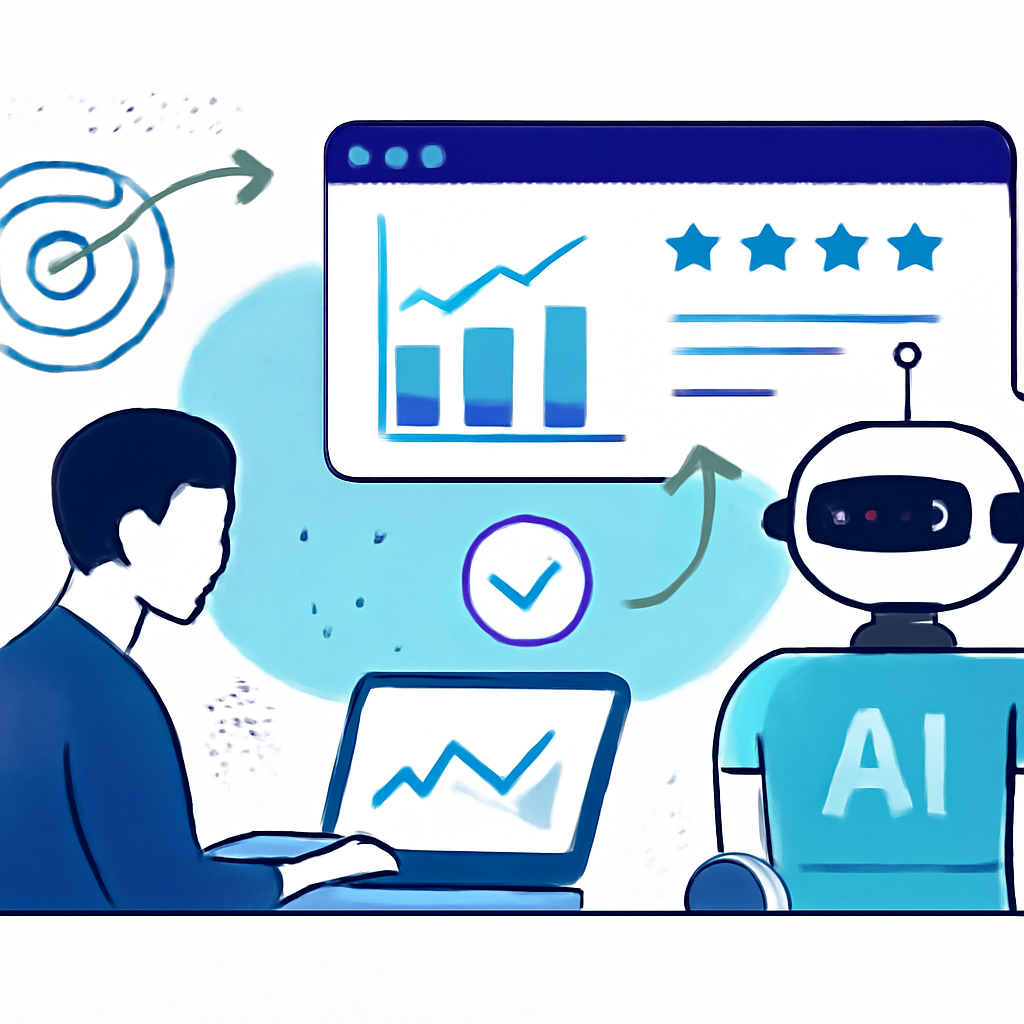
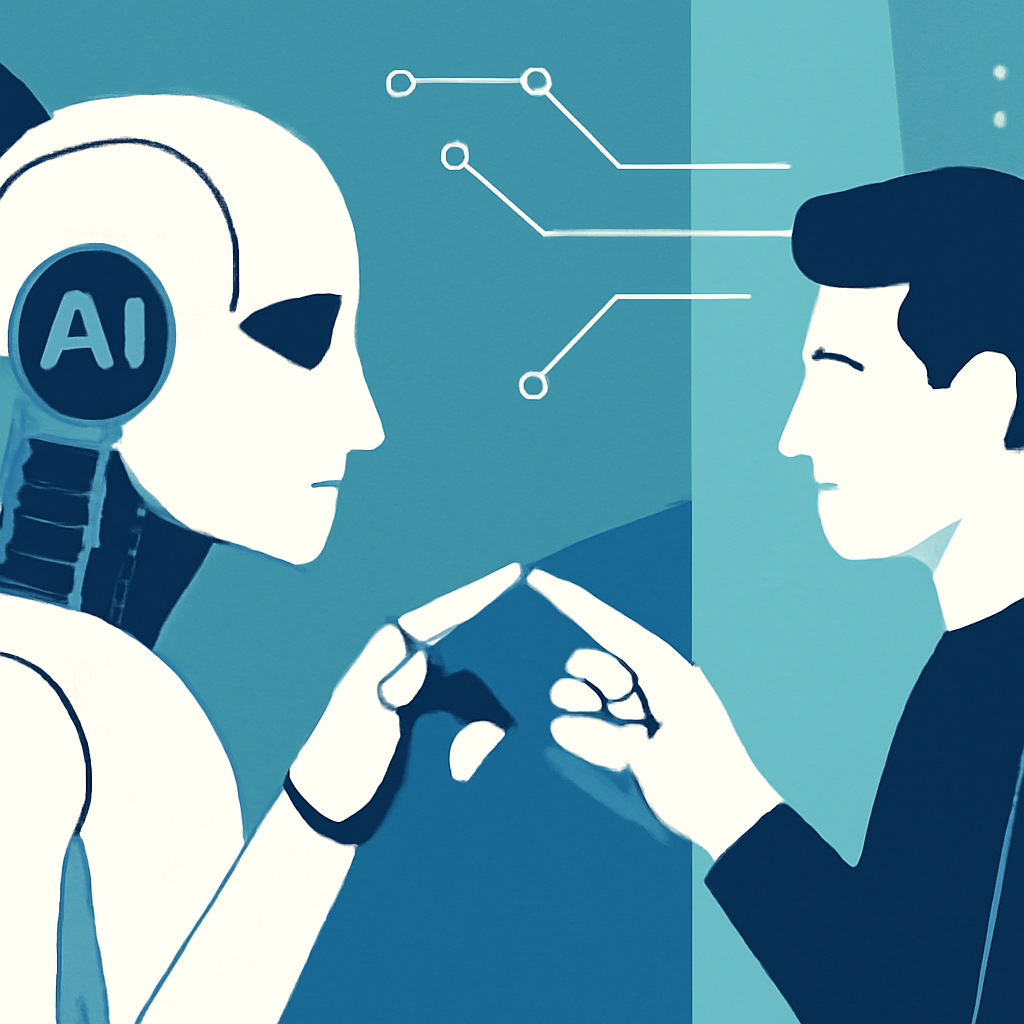
The key takeaway is that AI should be viewed as a powerful tool rather than a standalone solution. For businesses to truly benefit from AI, they need to establish a comprehensive structure that includes human oversight and contextual understanding. This ensures that the AI’s choices align with the company’s goals and values. Moving forward, companies must recognize that while AI can enhance efficiency, it cannot replace the critical thinking and expertise that humans bring to the table. Without this layered approach, the potential benefits of AI may never be fully realized.