What Happened
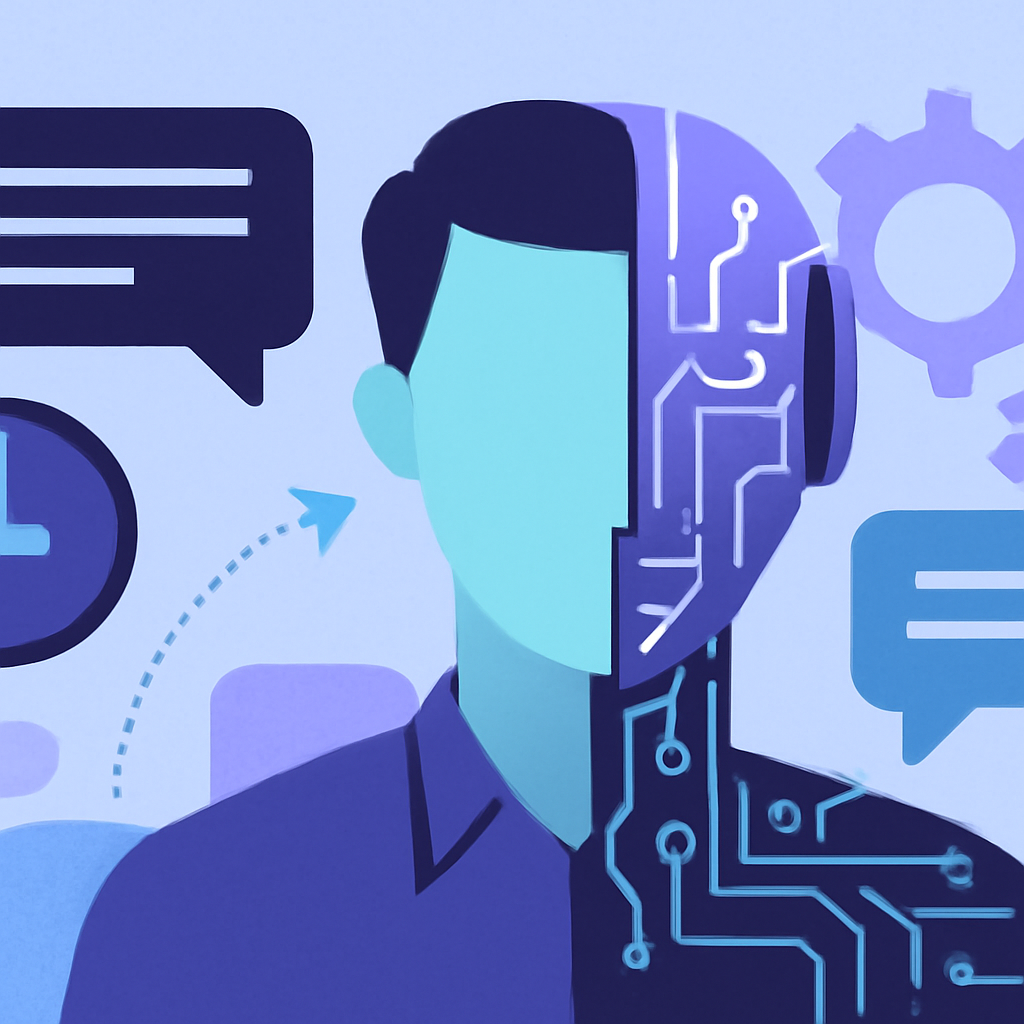
Recently, employees are increasingly turning to artificial intelligence to handle communication tasks. This includes information exchange across different levels of hierarchy within companies. This approach has been termed 'social offloading,' as noted by Lina Rinne, Vice President of the Skillsoft platform.
Why It Matters
Using AI for communication can significantly enhance work efficiency, allowing employees to focus on more important tasks. It can also alter team interaction dynamics, reducing stress levels and improving the workplace atmosphere. Employers can observe how such technologies optimize processes and cut down on time spent on routine correspondence.
Context
The trend of using AI in workplace processes is not new; however, its active implementation at the communication level is a fresh development. In recent years, companies have begun to actively integrate neural networks into various aspects of their operations, from data analysis to customer support. The emergence of 'social offloading' is a logical continuation of this trend, where technologies start not only to handle tasks but also to participate in live communication.
What This Means
Transitioning to using AI as a mediator in communication between employees and management may signify the dawn of a new era in business. This not only simplifies communication but also enables companies to respond more effectively to changes and make decisions. However, it is also crucial to consider how this will affect the development of interpersonal communication skills among employees, ensuring that the human aspect of interaction is not lost in the process.