The Gist
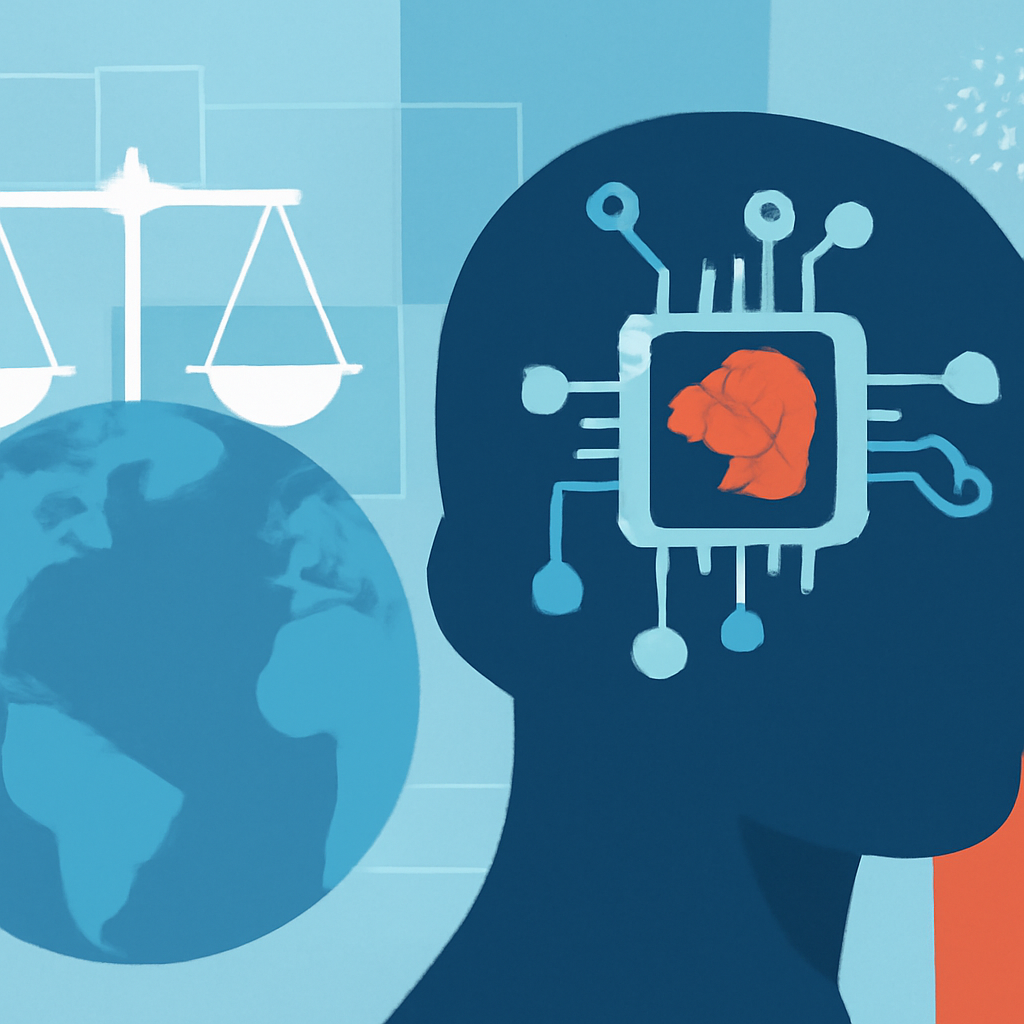
Recent research shows that AI language models, including ChatGPT, often misinterpret moral values from non-Western cultures, favoring Western norms instead. This could lead to cultural insensitivity and miscommunication in diverse applications.
How It Worked
In a 2024 study, researchers compared responses from OpenAI’s GPT models against a global sample of over 90,000 human participants who completed a moral foundations questionnaire. This questionnaire assessed six moral values: care, equality, proportionality, loyalty, authority, and purity. AI models were prompted to respond as if they were average citizens from 48 countries. The results highlighted a trend where AI responses aligned more closely with Western moral values, particularly care, while underrepresenting values like purity that hold significant importance in various non-Western cultures.
Results
The models exhibited systematic bias: they overestimated Western moral concerns while underestimating those of non-Western nations. For example, countries like Morocco and Nigeria were misrepresented in terms of their moral priorities. This misalignment can perpetuate cultural biases and lead to misunderstandings in international contexts.
Why It Matters for You
For businesses and organizations operating globally, understanding these biases is crucial. If AI tools are used for drafting public health communications, moderating content, or providing advice across cultures, there's a risk of promoting a narrow worldview. To mitigate this, consider integrating diverse cultural perspectives into AI training data and testing AI outputs against cultural benchmarks to ensure relevance and sensitivity in messaging and decision-making. This approach can help prevent cultural missteps and promote a more inclusive understanding of global moral values.