What happened
This week has been eventful in the AI sector, with several major companies releasing new models and reducing prices. OpenAI introduced GPT-5.6, which includes a more affordable version, Terra, offering comparable quality to GPT-5.5 at about half the cost. Google followed suit by launching Gemini 3.5 Flash, which outperformed its predecessor on various benchmarks, alongside cost-effective options like Nano Banana 2 Lite for images and Gemini Omni Flash for video.
Additionally, xAI made Grok 3 and Grok 4.1 available to the public, though the much-anticipated Grok 5 is still pending. Anthropic's Claude Science debuted for pharmaceutical and laboratory applications, while Mistral released OCR 4, emphasizing structured data extraction and reportedly raising significant funding.
Why this is important
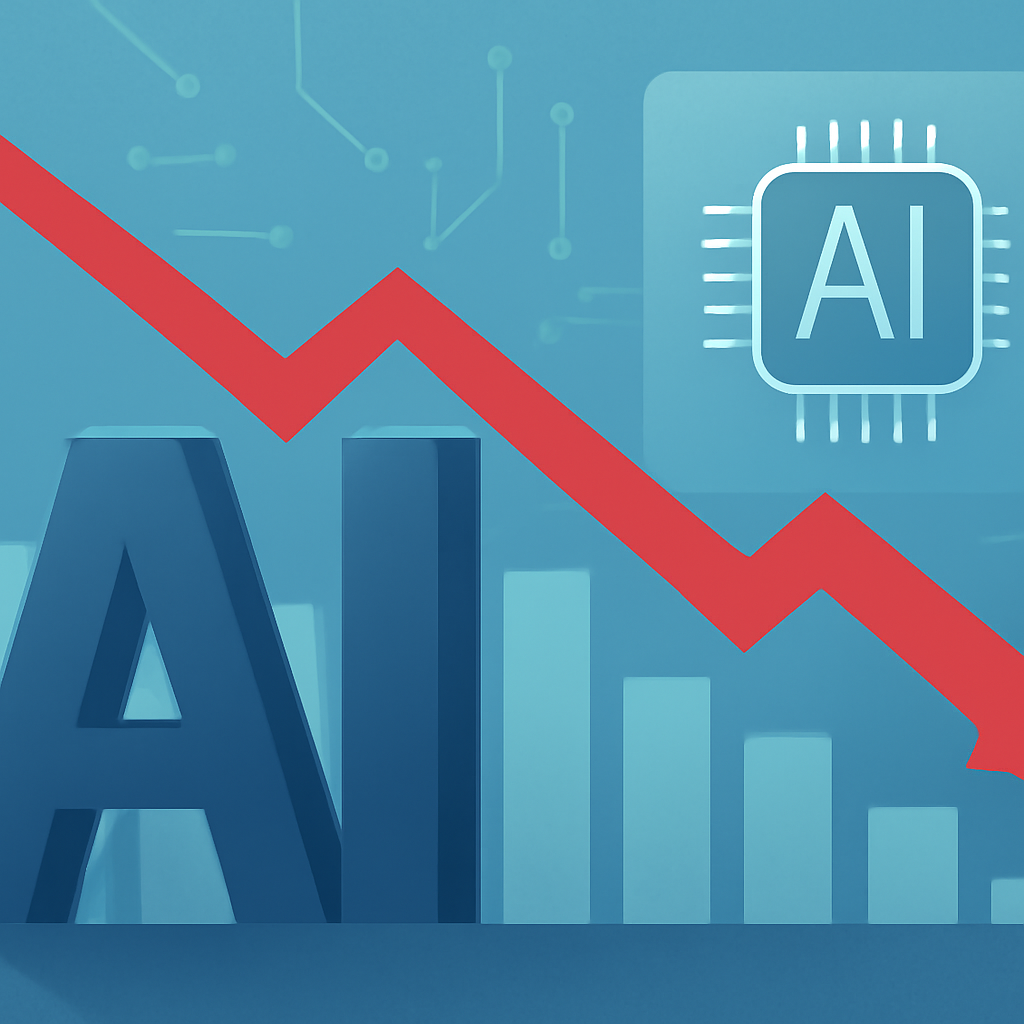
The simultaneous price reductions across all tiers of AI models, not just the budget options, are noteworthy. With flagship models becoming cheaper, the competitive landscape for businesses utilizing AI technology is shifting dramatically. Companies that once relied on having the best model as their primary selling point may find that advantage diminishing quickly as competitors launch new, cheaper alternatives. This trend signals a more democratized access to advanced AI, but it also raises concerns about sustainability for businesses built solely on model performance.
Context
Historically, AI model releases have often come with a premium price tag, as companies invested heavily in research and development. However, as technology has evolved and competition has intensified, we've begun to see a pattern of rapid iteration and price reduction. The recent lifting of export restrictions on certain models by the U.S. government also indicates a shift in how these technologies are managed and distributed, potentially increasing global competition.
What this means
These developments suggest that businesses must adapt to a new reality where the cost of utilizing advanced AI models is dropping significantly. Companies that prioritize workflow, data management, and multi-provider strategies may find themselves better positioned for success. The risk of sudden price or availability changes could create supply chain vulnerabilities, meaning organizations must be more agile in their approach to AI integration. As the landscape continues to evolve, focusing on robust frameworks rather than just cutting-edge models will likely be key to maintaining competitive advantage.