What happened
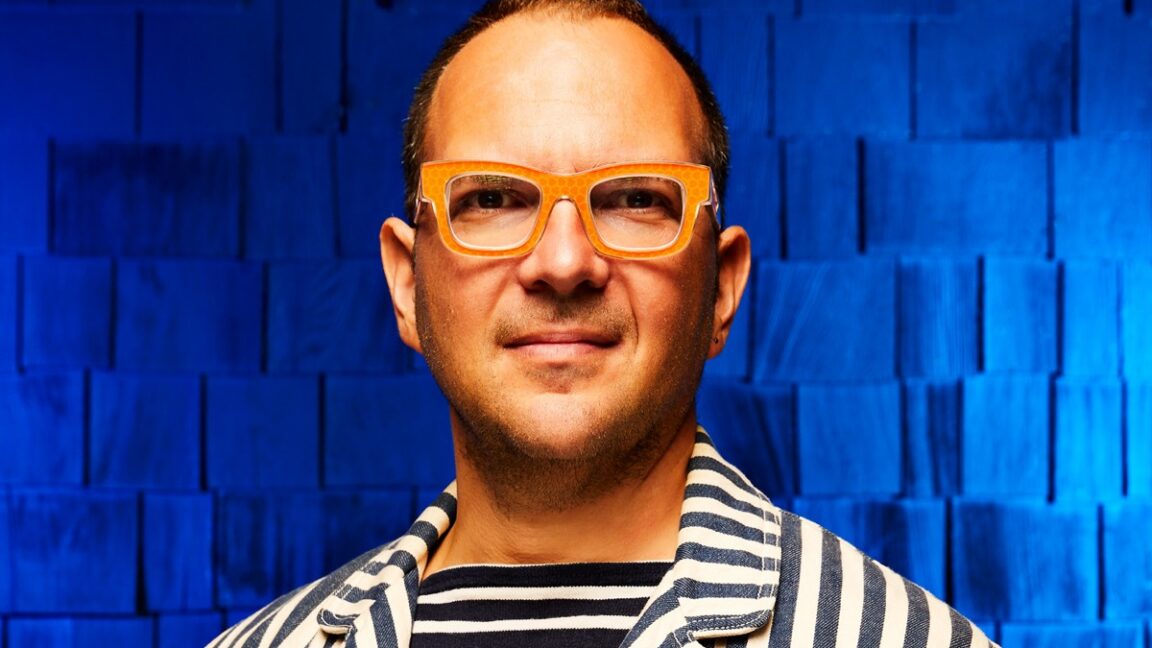
Cory Doctorow, a well-known tech journalist and author, has released a provocative new book titled "The Reverse Centaur's Guide to Life After AI". In it, he critiques the ongoing fascination with AI technology and its implications for humanity. Doctorow expresses his frustration with the constant demand for commentary on AI, leading him to write a book that questions the very foundation of the discussions surrounding this technology.
Why this matters
Doctorow's perspective is crucial as it invites readers to think critically about the role of AI in our lives. By coining the term "reverse centaur," he highlights the dangerous trend of humans becoming mere extensions of machines. This serves as a warning about the potential loss of human agency in an increasingly automated world, where technology dictates our actions rather than enhances our capabilities.
Context
The concept of a "centaur" has been used in automation theory to describe a harmonious blend of human and machine intelligence. However, Doctorow's reverse centaur flips this idea on its head, suggesting that we are increasingly seeing humans as secondary to machines. This aligns with broader discussions in society about the implications of AI, such as job displacement and ethical concerns in technology deployment.
What this means
Doctorow's work challenges us to rethink our relationship with technology. As we integrate AI into our lives, he urges caution and reflection. The risk of becoming reverse centaurs—humans reduced to mere tools for machines—should prompt us to advocate for technology that enhances human potential, rather than diminishes it. This conversation is vital as we navigate the future of AI and its impact on our society.