The Essence
Lindsey Witmer Collins, CEO of WLCM App Studio, discusses the implications of rising AI bills. Observing that companies like OpenAI and Anthropic are subsidizing AI services, she argues that this temporary pricing misleads businesses into making irreversible decisions about replacing human expertise with machines.
How This Works
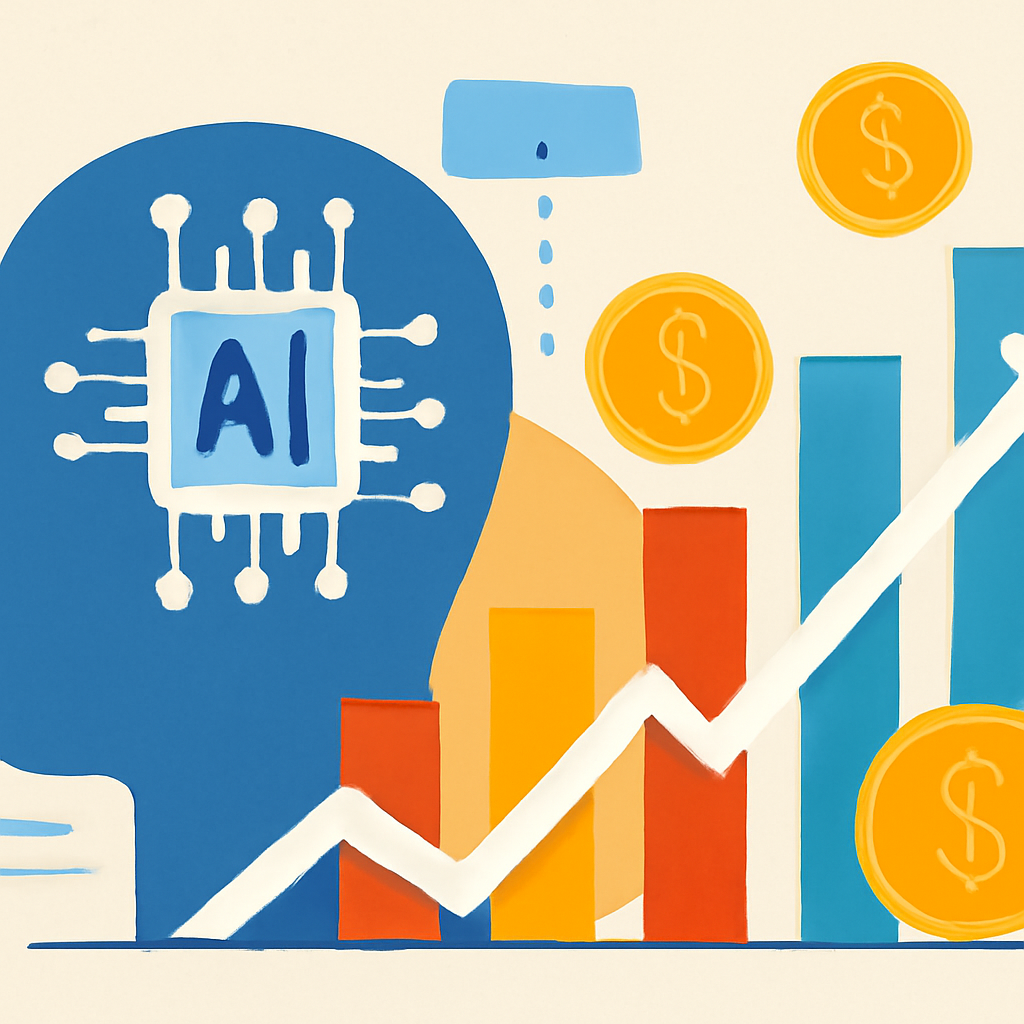
Collins highlights the unsustainable nature of current AI pricing, using OpenAI's financials as a key example. With a revenue of $13 billion and an operating loss of $21 billion, these companies are pricing AI below its actual cost to capture the market. She warns that companies must be cautious about making permanent staffing decisions based on these artificially low costs. The pattern is clear: subsidize, capture, and then dictate the terms.
Results
By examining the trends, Collins notes that companies risk losing valuable human capital while relying on AI. Decisions made in the era of low-cost AI can lead to significant long-term consequences, as seen in the retail and publishing industries. The switch to automation might seem financially appealing now, but it can ultimately harm the business's ability to innovate and maintain relationships.
Why This Matters to You
For business leaders, the key takeaway is to avoid making hasty decisions driven by temporary pricing. Embrace AI as a tool to enhance human capabilities rather than replace them. Focus on building and retaining human expertise, even as AI costs rise. This strategy not only preserves essential skills but also ensures your business remains resilient in the face of changing technology costs.