The Essence
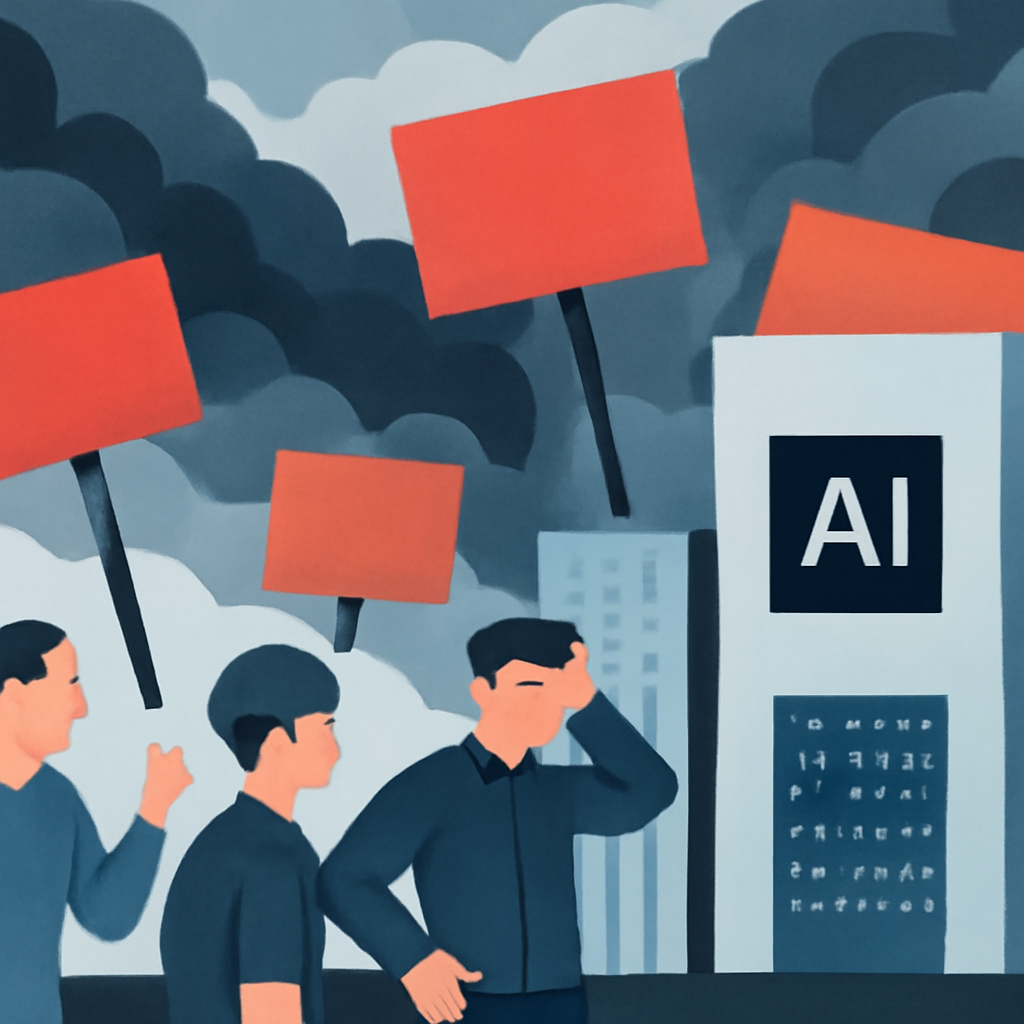
In recent years, AI data centers have become a focal point of community anger, driven by fears of rising electricity bills, environmental degradation, and a general distrust of AI technology. A case study in the San Francisco Bay Area highlights this phenomenon, where a proposed data center on a former golf course has sparked fierce opposition, gathering over 18,000 signatures against it even before construction began.
How This Works
The backlash stems from a variety of concerns. Many residents fear that data centers will increase electricity prices. Despite research suggesting that data centers can actually lower prices due to their efficiency, the emotional response often overshadows the facts. Additionally, there are worries about noise, air pollution from diesel generators, and massive water consumption, which some studies indicate may be exaggerated. The visible nature of these centers makes them easy targets for community frustration, especially when people feel they have little control over the abstract nature of AI technology itself.
Results
This backlash has tangible consequences. Local protests have garnered significant attention, with social media posts about the proposed data center receiving over 44,000 views and 100 comments. The anger is not just about the centers but reflects a broader fear of AI's implications on jobs and privacy. A Pew study indicates that 63% of Americans think AI is progressing too quickly and 71% doubt government regulation of the technology.
Why This Matters
For AI companies, understanding this public sentiment is crucial. Instead of defending data centers with technical arguments, companies need to engage communities directly. Offering transparency, creating platforms for public input on AI policy, and ensuring consistent government oversight can help alleviate fears. As anger towards AI technology grows, addressing these root issues will be essential to prevent further backlash and potential violence against AI infrastructure and personnel.