What Happened
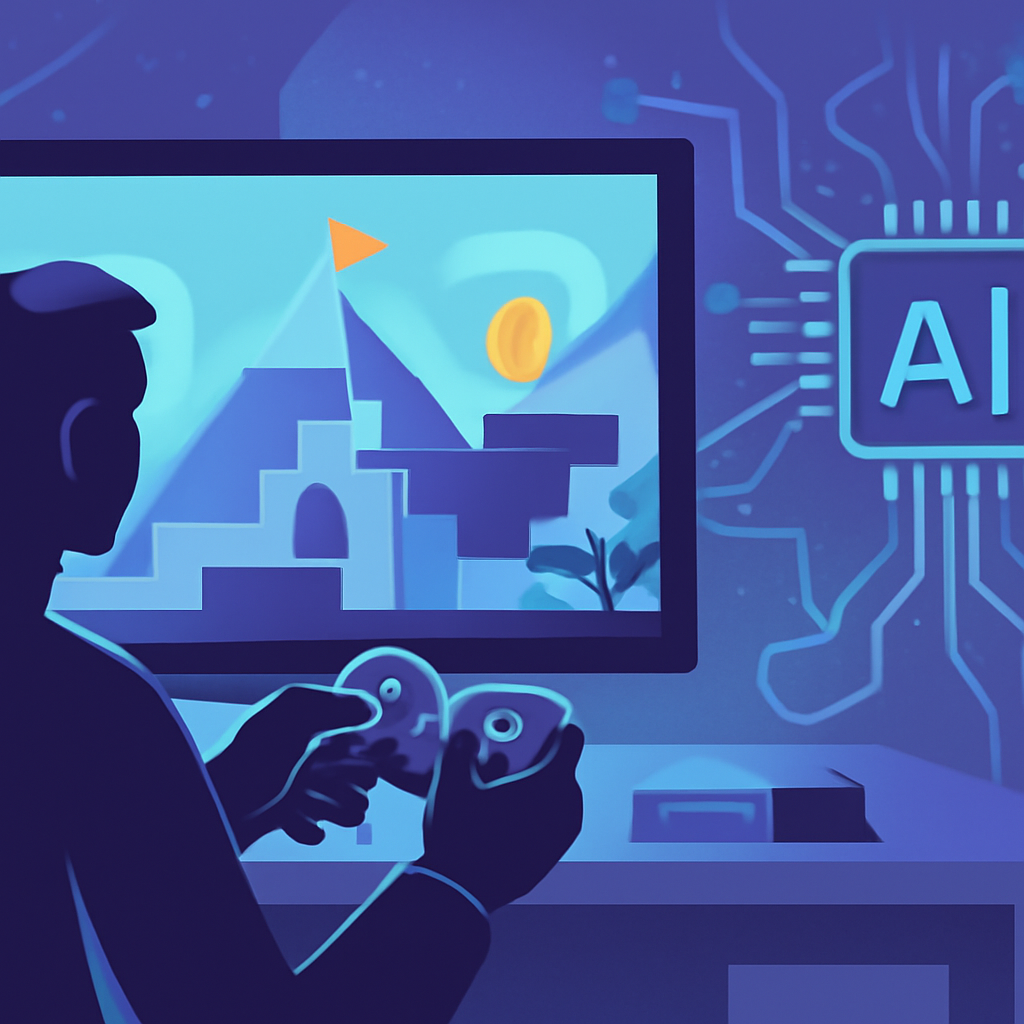
Recently, Google introduced Genie 3, a new tool capable of generating expansive 3D game worlds solely from text prompts. This innovation has sparked interest and excitement, showcasing the potential of AI in gaming. However, it raises important questions about the nature of game design and whether procedural content truly enhances player enjoyment.
Why It Matters
The crux of the matter lies in the distinction between generation and design. While AI can create vast landscapes and environments, it often lacks the emotional depth and intentionality that human designers bring to the table. Players typically cherish unique, handcrafted moments in games, which highlight personal experiences and decisions made by designers. This means that while we can have endless environments, the emotional connection to those spaces may be fleeting or superficial.
Context
Procedural generation is not a new concept in gaming; titles like Minecraft and No Man's Sky have long utilized algorithms to generate worlds. These games demonstrate that while procedural tools can create diverse environments, they often fall short in delivering meaningful experiences. Historically, players have gravitated toward games that balance procedurally generated content with crafted elements that resonate on a deeper level.
What It Means
The introduction of tools like Genie 3 suggests a hybrid future for game development, where AI-generated content serves as a backdrop for human creativity. This approach could allow designers to focus on crafting engaging encounters and moments of tension, while AI manages the larger game world. However, the ongoing hype around AI tools often frames them as replacements for traditional game design rather than complementary tools. To truly elevate the gaming experience, a thoughtful integration of both elements will be key, ensuring that the generated worlds are not just vast but also meaningful and enjoyable for players.