What Happened
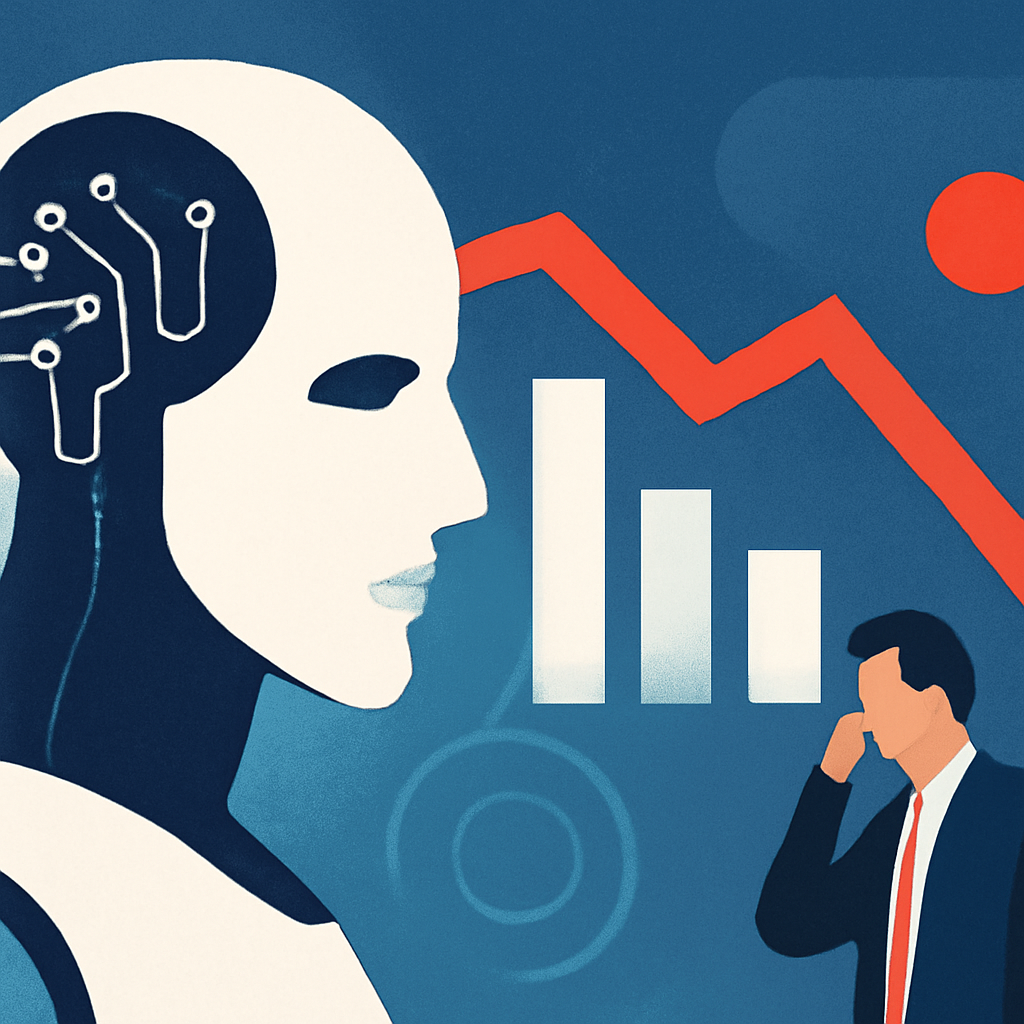
Christopher Pissarides, a Nobel Prize-winning economist, expressed his belief that current artificial intelligence technologies will not lead to a return to an era of rapid labor productivity growth in Western economies. According to him, such times may be behind us.
Why This Matters
This statement could have serious implications for businesses and the economy as a whole. If productivity growth cannot be restored, it may slow economic development and reduce living standards in countries that have traditionally experienced rapid economic growth. Investors and companies may need to reassess their strategies and expectations regarding new technologies.
Context
Historically, Western economies have witnessed significant productivity growth during various periods, especially in the years following World War II. This growth has often been linked to the introduction of new technologies and innovations. However, recent decades have been characterized by a slowdown in productivity growth, raising concerns among economists.
What This Means
Pissarides' statement may suggest that, despite the potential of AI technologies, they will not be able to resolve the systemic issues that hinder productivity growth. This raises important questions about how countries can adapt to new realities and what measures need to be taken to stimulate economic growth in the face of technological changes.