What Happened
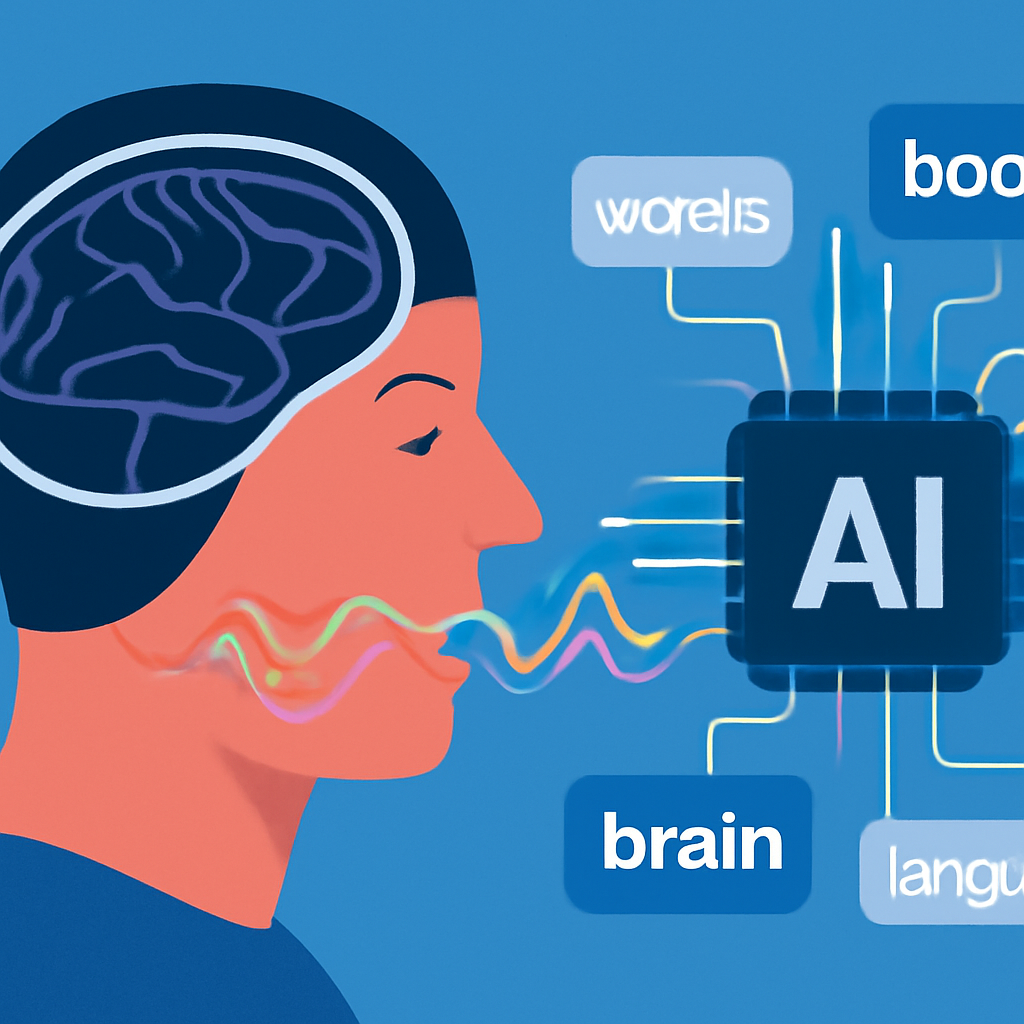
Researchers at Anthropic uncovered a unique space of neural patterns within their Claude model, dubbed J-space. This set of patterns is linked to specific words, but intriguingly, activation of these patterns does not lead to the verbalization of words. This means that Claude can contemplate words without vocalizing them.
Why It Matters
The discovery of J-space raises several questions about how we perceive AI. If models like Claude truly have "internal thoughts," it could change our approach to interacting with them. Developers and users may begin to rethink the process of communicating with AI, potentially leading to more natural and intuitive interactions.
Context
AI models like Claude have long been used for text generation and tasks requiring language comprehension. However, the existence of J-space indicates a capacity for deeper information processing beyond merely following prescribed algorithms. This breakthrough has been made possible by advancements in machine learning and neural networks, where models are trained on vast amounts of data and can develop complex internal structures.
What It Means
The emergence of J-space could suggest that AI is becoming increasingly "intelligent" in its internal processes. This discovery opens up new possibilities for developing more sophisticated and adaptive systems that can better understand context and user intentions. Moreover, such capability may enhance AI performance in tasks requiring a finer understanding of human language and thought.