The Issue
The rise of AI-generated images poses serious challenges to the credibility of scientific visuals. A striking example is the photograph from NASA’s Artemis II mission, which, while authentic, faces skepticism in an era where AI can fabricate similar images in seconds. This situation creates a crisis of trust in scientific imagery, complicating the public's ability to discern what is real.
The Role of AI in Science
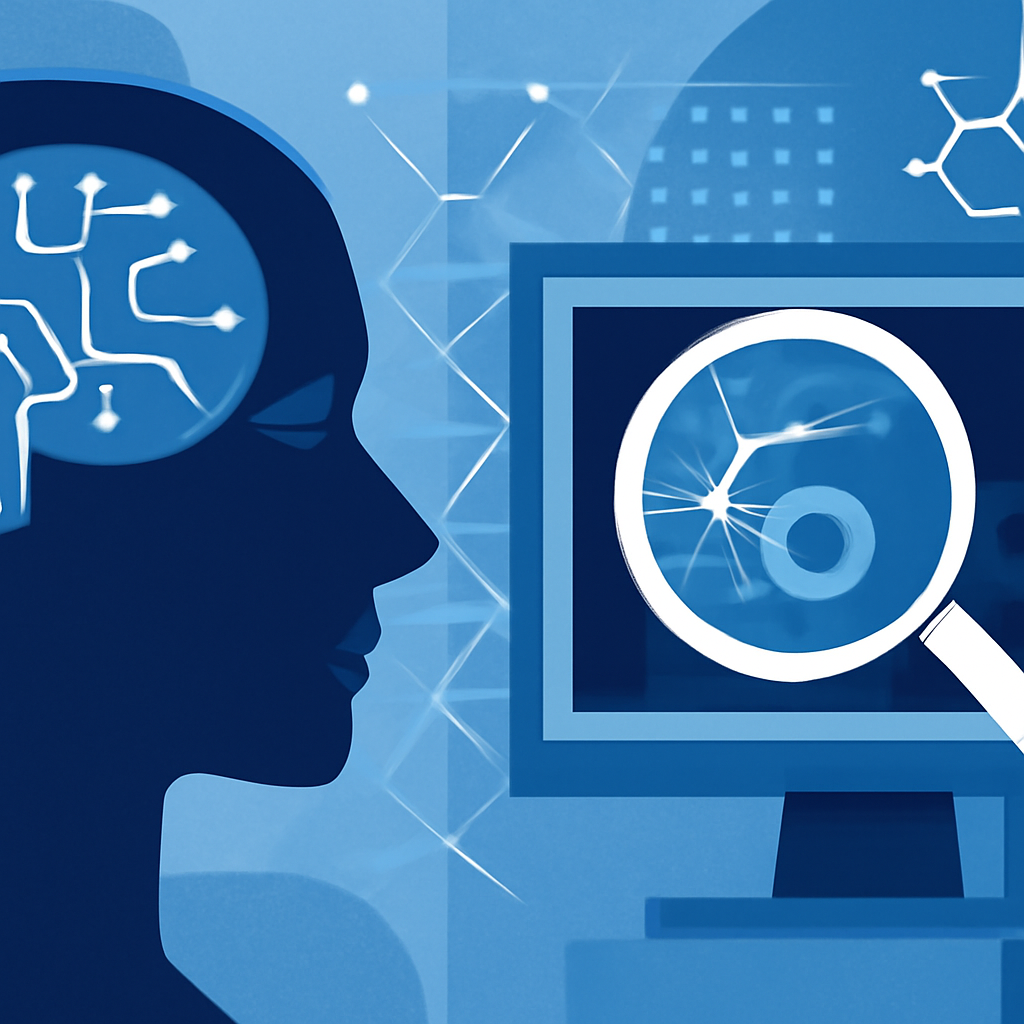
AI tools are transforming how scientific images are created and disseminated. Researchers are using AI to enhance visuals, generate illustrations, and even manipulate data for educational purposes. However, this technology also blurs the lines between genuine scientific imaging and fabricated visuals. In 2024, two academic papers were retracted due to biologically impossible AI-generated figures, highlighting the potential for misinformation.
The Impact on Trust
Historically, the authority of scientific images stemmed from the complexity and expertise required to produce them. Today, anyone can create a polished image that appears credible, undermining the traditional cues of trust. This shift encourages individuals to rely on their pre-existing beliefs rather than the authenticity of the image itself, thereby amplifying motivated reasoning. Authentic images that challenge beliefs may be dismissed as AI-generated, while fabricated images that align with existing views are more readily accepted.
The Importance of Transparency
To combat this crisis, researchers must prioritize transparency regarding image provenance. Just as scientists disclose methodologies and funding sources, they should clarify whether AI was used in the creation of an image and outline what it represents. This practice not only supports accountability but also helps audiences contextualize the visuals they encounter.
The Power of Authentic Images
Authentic scientific images, like the Apollo 8 “Earthrise,” hold emotional and factual significance. Their power lies in their traceable connection to real events and observations. As we navigate the complexities introduced by AI, scientific institutions must prioritize transparency and documentation to maintain trust. Without clear standards, we risk entering a realm where every image is questioned, jeopardizing the integrity of scientific communication.