What Happened
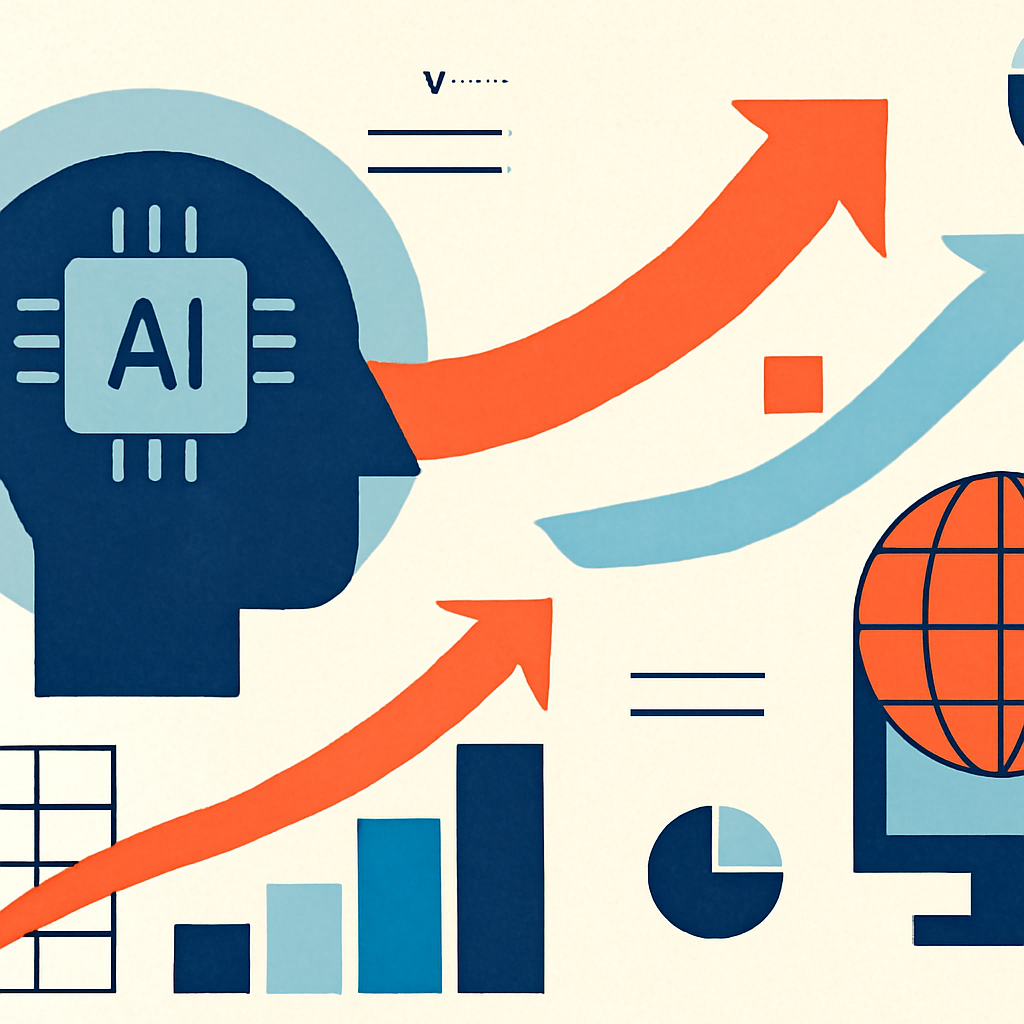
The current wave of artificial intelligence (AI) is experiencing explosive growth, reportedly generating around $110 billion in annual revenue. Unlike previous technological movements, this AI boom has not shown signs of slowing down. Each new application, from chatbots to coding assistants and now AI agents, seems to create a demand for the next innovation rather than replacing the previous one.
Why It Matters
This rapid growth has significant implications for the tech industry and consumers. As AI becomes integrated into more products, the ecosystem surrounding AI technologies is becoming just as crucial as the AI models themselves. Developers are now focusing not only on the core AI algorithms but also on essential components like data retrieval, evaluation, deployment, and overall infrastructure. This shift indicates that understanding and optimizing the AI support stack is vital for success in the industry.
Context
Historically, technology trends often experienced growth spurts followed by periods of stagnation. However, the AI sector has defied this pattern since 2022. Initially sparked by advancements in chatbots, the momentum has continued to build with new tools and applications emerging rapidly. This ongoing development reflects a maturation of the field, where each innovation builds on the last rather than sidelining it.
What It Means
The current trajectory of AI indicates a transformative period for technology development and consumption. As AI technologies proliferate, the importance of robust supporting tools becomes paramount. Developers need to adapt to this evolving landscape, where the synergy between AI models and their surrounding infrastructure will dictate future success. This could lead to a more integrated approach to product development in the tech industry, ultimately benefiting users with more efficient and powerful AI-driven solutions.