What happened
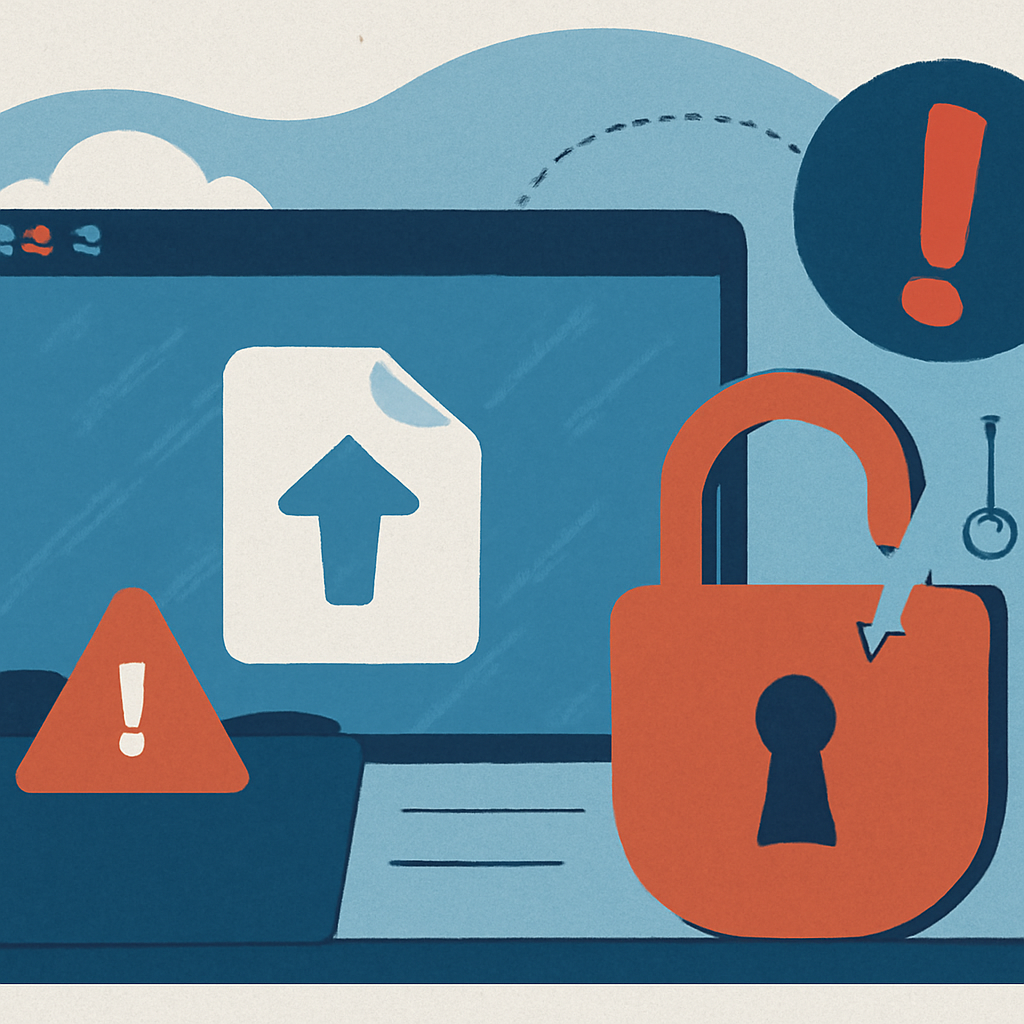
A developer recently uncovered vulnerabilities in their file upload system when using Multer in an Express.js application. They realized that relying solely on MIME types and file extensions to validate image uploads isn't as secure as it seems. This prompted a deeper exploration into file upload security practices.
Why this matters
If applications continue to trust client-provided information like MIME types, they expose themselves to significant security risks. Malicious users can easily spoof file types, leading to potential attacks through uploads that might not conform to their declared type. This can compromise the integrity of applications and lead to data breaches or other security incidents.
Context
Traditionally, file validation often involves checking MIME types and file extensions as the first line of defense. However, these methods have serious limitations because they depend on client-side data that can be easily manipulated. This practice is common across many applications, but it’s becoming increasingly clear that a more robust approach is necessary to ensure security.
What this means
The implications are clear: developers must implement more stringent file validation processes. This could include verifying magic bytes or file signatures to confirm the actual format of the file, parsing the file to ensure it adheres to the expected structure, and running malware scans to detect any harmful content. As the demand for secure file uploads grows, there’s an emerging opportunity for services that can handle these checks effectively, providing a layer of security that developers can trust. If a solution could seamlessly integrate with popular frameworks like Express, Laravel, or Django, it would likely attract interest from developers looking to enhance their upload security without overhauling their existing systems.