What happened
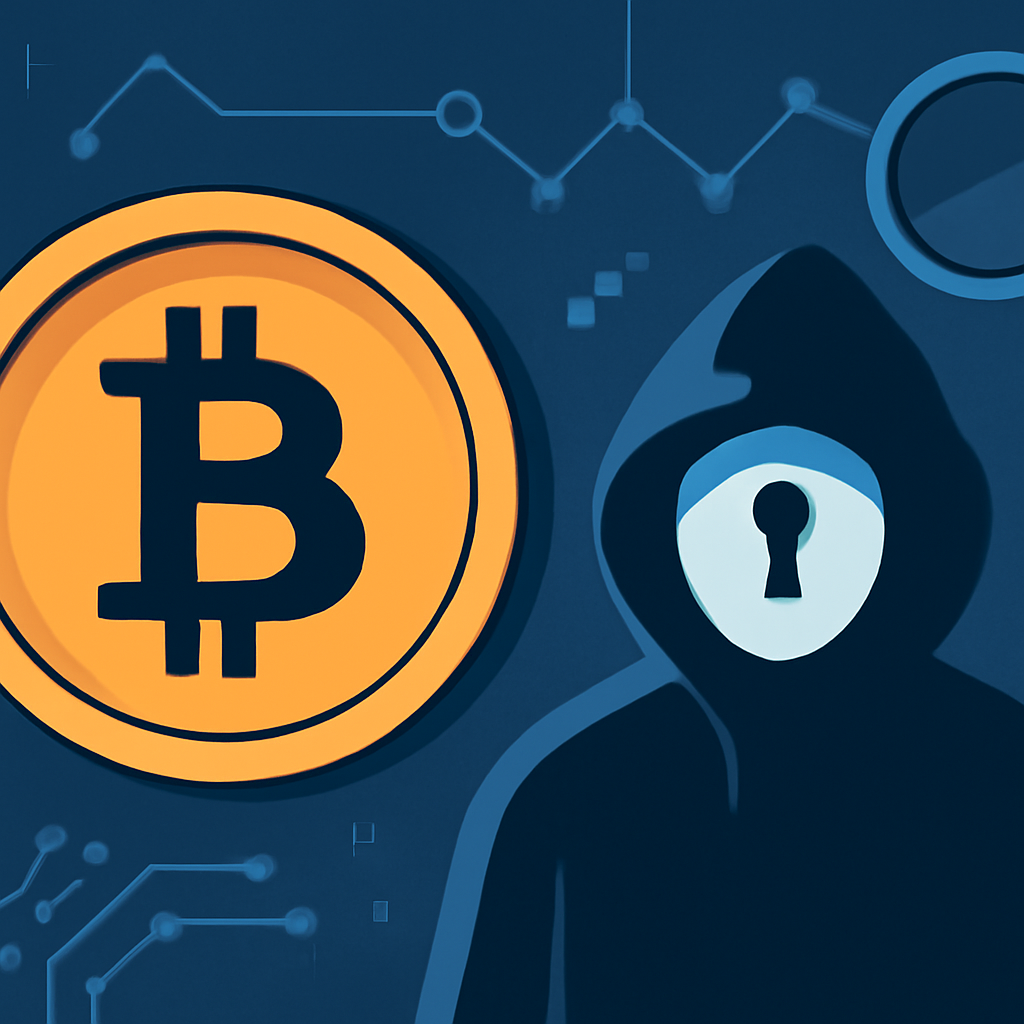
Many people believe that Bitcoin transactions are anonymous, but the reality is quite different. Every Bitcoin transaction is recorded on a public ledger, which allows companies like Chainalysis to trace these transactions back to real-world identities. These firms generate substantial revenue by providing governments with insights into Bitcoin activity, revealing that the anonymity many users expect is more illusion than reality.
Why this matters
The implications of this tracking are significant for Bitcoin users. If your transactions can be linked to your identity, then your financial privacy is compromised. This can lead to unwanted scrutiny from authorities and could expose users to risks such as theft or fraud. Understanding the techniques that companies use to trace Bitcoin transactions is crucial for anyone looking to maintain their privacy in the cryptocurrency space.
Context
Chainalysis employs various methods for tracking Bitcoin transactions, including the Common Input Ownership Heuristic, which assumes that multiple inputs in a single transaction belong to the same person. They also analyze transaction graphs, detect address reuse, and monitor IP addresses associated with transactions. These practices highlight the vulnerabilities of Bitcoin's perceived anonymity and emphasize the importance of privacy measures.
What this means
To protect your privacy when using Bitcoin, employing a multi-layered approach is essential. This includes never reusing addresses, running a personal node to avoid third-party tracking, utilizing Tor to mask your IP address, and employing privacy-enhancing techniques like CoinJoin or PayJoin. By implementing these strategies, users can significantly enhance their financial privacy and reduce the risk of being tracked. As the landscape of cryptocurrency continues to evolve, staying informed and proactive about privacy is more important than ever.