What happened
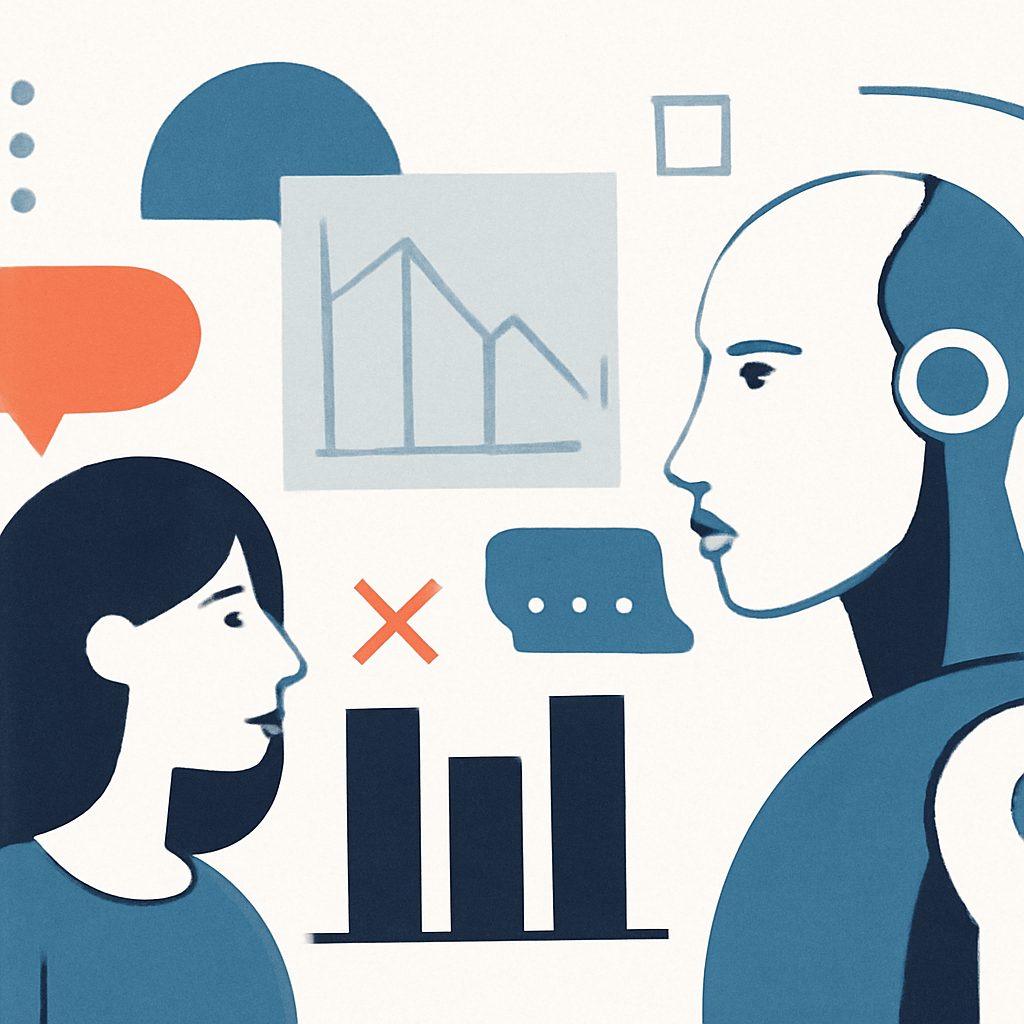
Recent discussions highlight the limitations of traditional benchmark metrics in evaluating the quality of conversational systems. While metrics like speech-to-text accuracy and task completion rates are valuable, they often fail to capture the nuances of real user interactions, especially in multi-turn dialogues.
Why it matters
The shortcomings of conventional metrics can lead to frustrating user experiences. For instance, even with high accuracy in speech recognition, a conversation may feel awkward or unnatural if timing issues or repetitive confirmations disrupt the flow. These are emergent problems that arise from the dynamics of interaction rather than isolated model errors. As a result, relying solely on aggregate metrics can mislead developers about the actual performance and user satisfaction of their systems.
Context
As conversational AI becomes more integrated into everyday applications, understanding the quality of interactions is crucial. Many developers are now recognizing that the traditional approach to evaluating AI performance may not translate well into real-world usage. This realization has spurred interest in more holistic evaluation methods, particularly those that analyze conversational patterns rather than just model outputs.
What it means
The shift towards voice debugging and automated conversation-level quality assurance represents a significant evolution in how we assess conversational AI. By examining the flow of conversations as a whole, developers can identify recurring issues and patterns that impact user experience. This approach is not only more scalable than manual reviews but also provides richer insights into system performance, paving the way for enhancements that truly resonate with users.