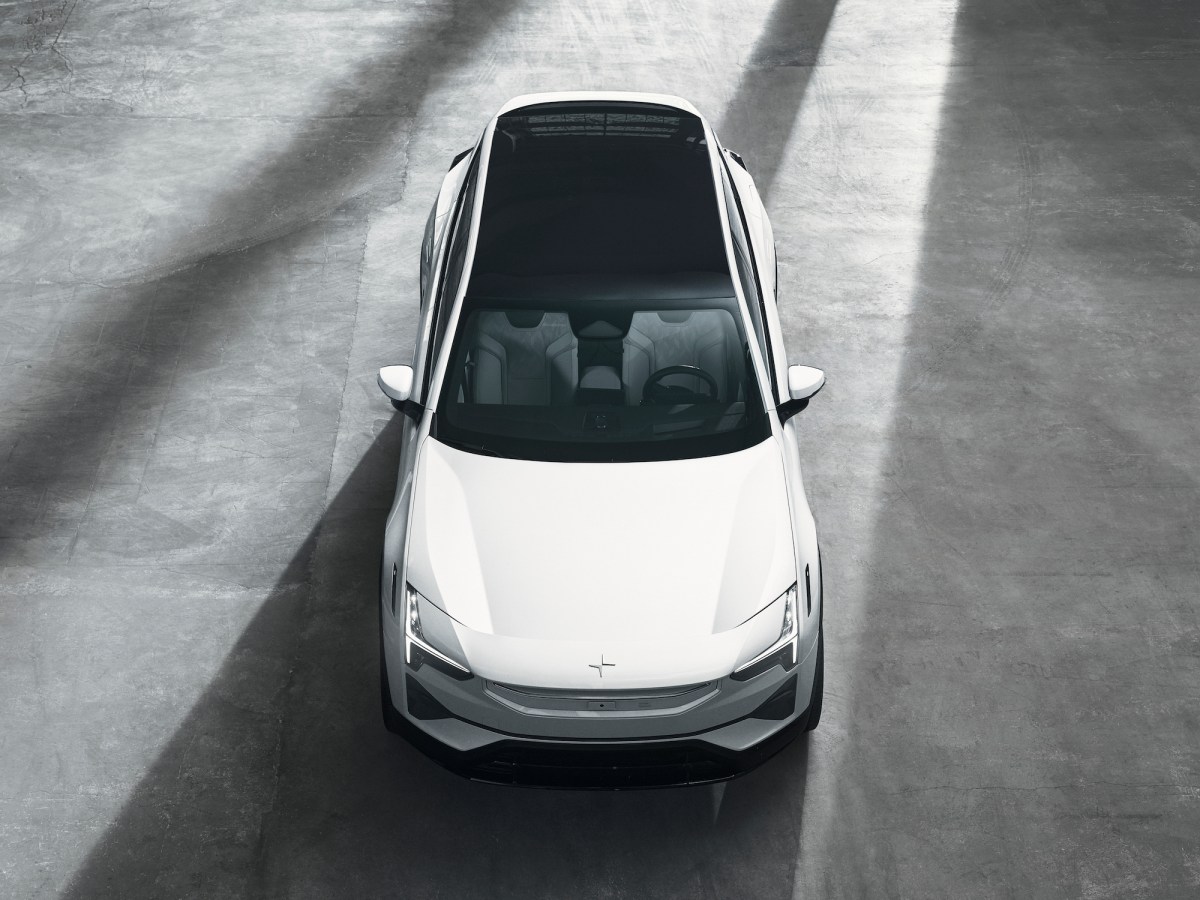
What happened
The Trump administration has taken a decisive step by denying Polestar, a Chinese-owned electric vehicle (EV) manufacturer, special authorization to sell its new models in the United States. This decision comes from the Department of Commerce and poses a major hurdle for the company as it tries to expand its footprint in one of the world's largest EV markets.
Why this matters
This blockage could have far-reaching consequences for Polestar and the broader electric vehicle market in the US. Not only does it limit Polestar's ability to compete with established brands, but it also raises questions about US-China trade relations, especially in the technology and automotive sectors. As the EV market continues to grow, barriers like this could stifle innovation and consumer choice.
Context
Polestar is a relatively new player in the EV industry, having launched as a performance brand from Volvo and Geely. The company's ambition was to carve out a niche in the competitive EV market with cutting-edge technology and sustainable practices. However, geopolitical tensions and trade policies have increasingly influenced the automotive landscape, creating challenges for foreign manufacturers seeking entry into the US market.
What this means
The denial of authorization for Polestar could signal a more protectionist stance from the US government toward foreign automakers. This could lead to a ripple effect where other companies might face similar challenges, potentially slowing the pace of EV adoption and innovation in the US. Consumers looking for diverse options in the EV market may find themselves with fewer choices as a result of these regulatory actions.