What happened
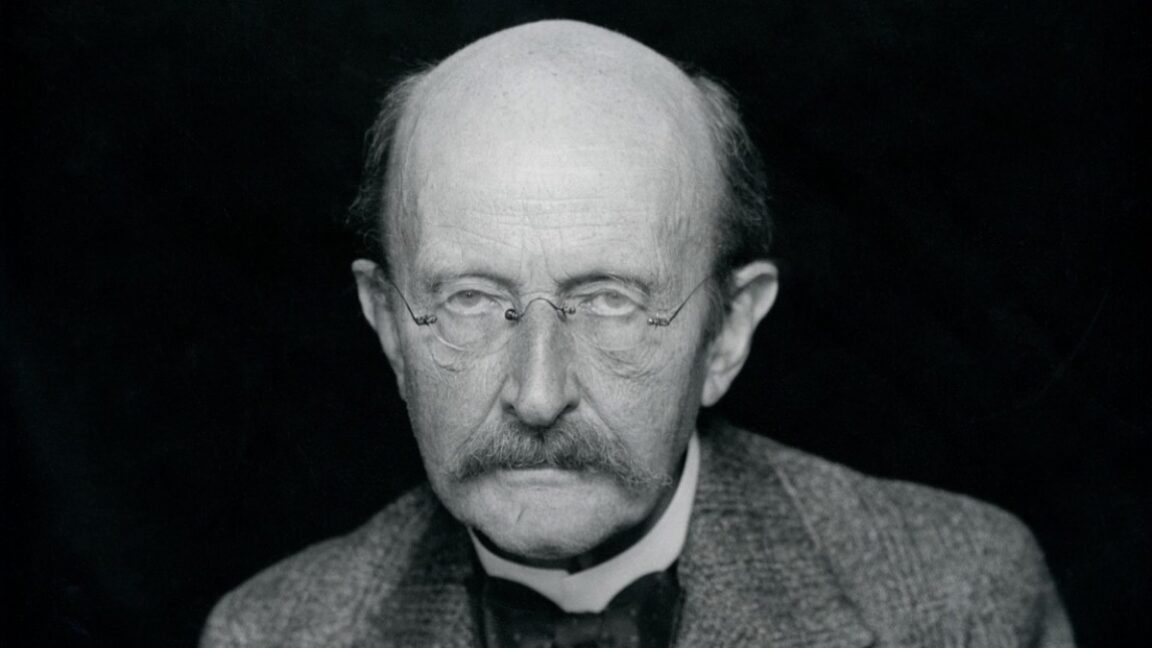
Recently, two papers written by the legendary physicist Max Planck in the 1940s were retracted by the journal Naturwissenschaften, which is now known as The Science of Nature. This decision has caused confusion among historians, especially considering Planck's reputation as a pioneer of quantum mechanics and a Nobel laureate. The journal has not just marked the papers as retracted but has removed them entirely from its digital archive, leaving only a note citing "article violation."
Why this matters
The retraction of such significant works by a figure of Planck's stature raises serious questions regarding the standards and practices of academic publishing. For researchers and historians, the absence of these papers could hinder the understanding of Planck's contributions during a crucial time in physics. It also sets a concerning precedent regarding the treatment of historical scientific literature, which is often considered untouchable due to the integrity of the scientists involved.
Context
Max Planck was a pivotal figure in the early development of quantum theory, which fundamentally changed our understanding of physics. His work laid the groundwork for future discoveries and has remained influential ever since. The retraction of his papers is particularly surprising given that there has never been any prior indication of misconduct or controversy surrounding his scientific contributions. This unusual action has prompted historians to delve into the circumstances behind the retraction, highlighting the ongoing importance of transparency in academic publishing.
What this means
The retraction of Planck's papers invites scrutiny of the reasons behind it, which remain unclear at this point. This incident serves as a reminder that the integrity of scientific literature must be maintained and that researchers need to understand the implications of such actions. History plays a critical role in shaping scientific knowledge, and removing works without clear justification could undermine the trust in academic publishing. As historians continue to investigate this matter, it will be essential to monitor how the journal addresses the situation and whether further information will be disclosed regarding the supposed violations that led to these unprecedented retractions.