What happened
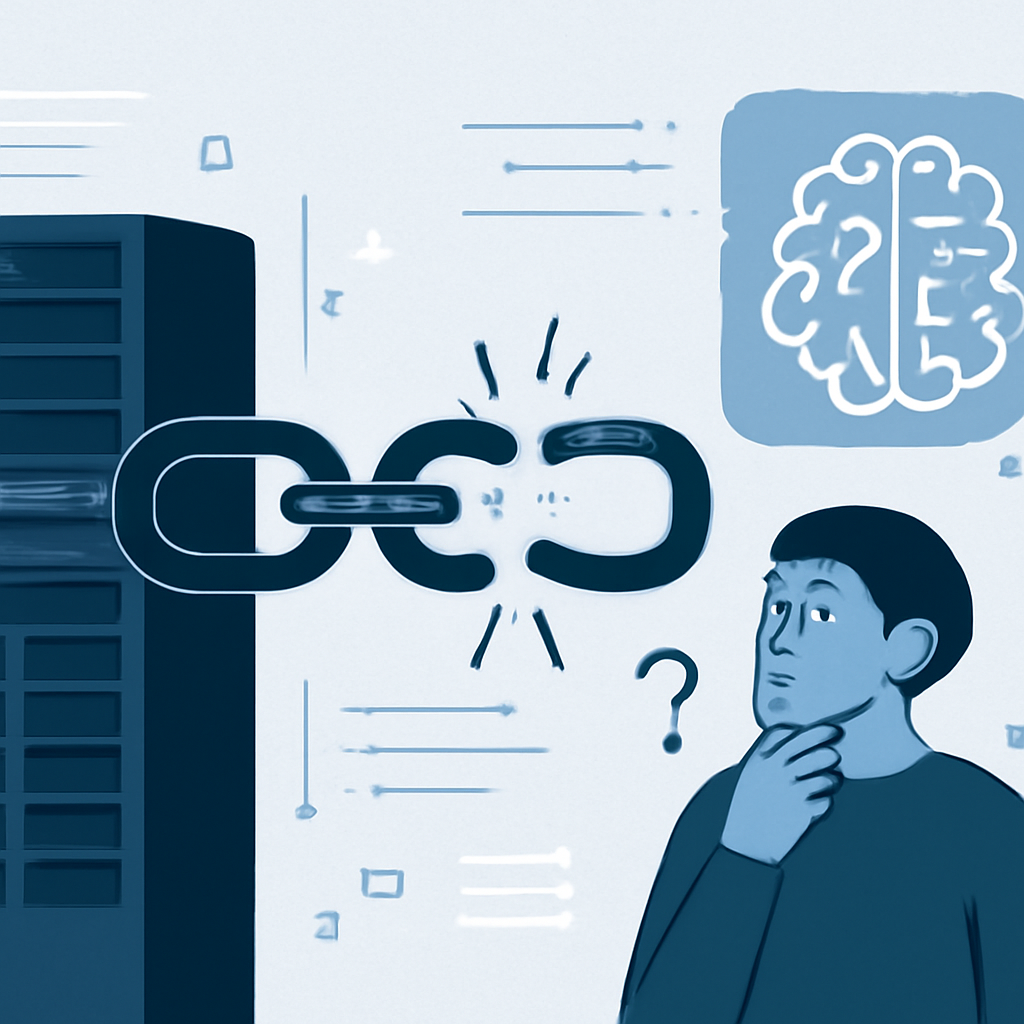
American data centers are experiencing significant delays in connecting to the electric grid. While there is no shortage of energy, the bottleneck stems from the time it takes to study and upgrade the grid to accommodate new infrastructure. In recent years, the median waiting time for power plants seeking interconnection has dramatically increased from less than 20 months in 2005 to a staggering 55 months in 2023.
Why this matters
This prolonged interconnection process poses challenges for developers of data centers, which are crucial for AI and tech advancements. The delays can hinder the growth of the technology sector, as companies rely on these data centers for processing and storing massive amounts of data. The inability to connect quickly means that businesses may face operational constraints, impacting their competitiveness in a rapidly evolving market.
Context
Historically, the interconnection process involved thorough studies to assess how new developments would affect existing power flows. However, the surge in demand for data centers has overwhelmed grid operators, leading to a backlog. As the tech landscape continues to evolve, the pressure on the electric grid has intensified, highlighting the need for better infrastructure planning and investment.
What this means
For large data centers, there is a tough choice to make: they can be large, come online quickly, or receive reliable grid service, but they can't have all three. This trilemma forces developers to be flexible, potentially scaling down their projects or adjusting timelines. As the demand for data storage and processing grows, addressing these interconnection delays will be crucial for supporting future technological innovation.