What Happened
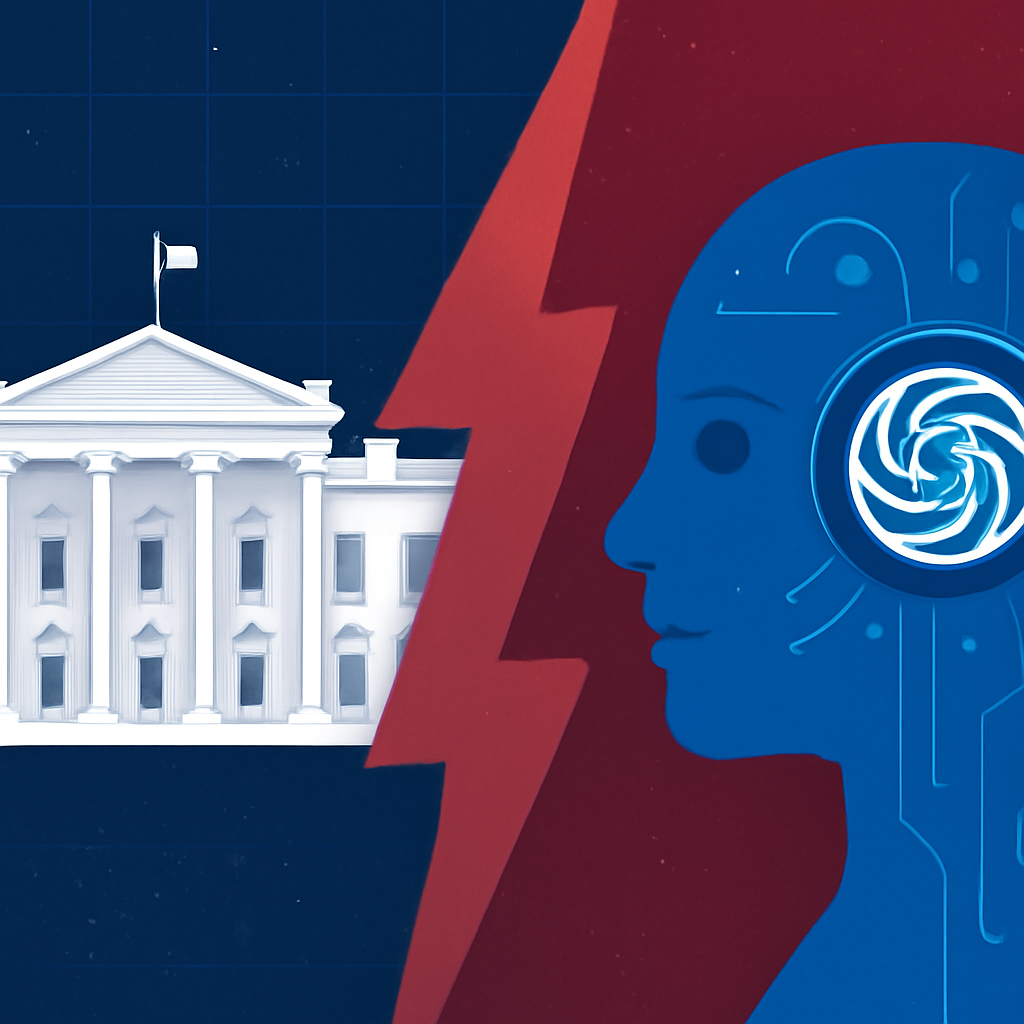
The U.S. government has requested OpenAI to delay the public release of its new artificial intelligence version, GPT-5.6. Instead, authorities propose granting preliminary access to the technology to a limited number of American companies and organizations included in a so-called "white list." Unconfirmed reports suggest that OpenAI has agreed to these terms.
Why This Matters
This event highlights the growing concern from the government regarding the safety of new technologies. The vulnerabilities mentioned by authorities could lead to serious cyberattacks, making it crucial to control who has access to advanced AI systems. If such restrictions continue, it could slow technological advancement and impact the competitiveness of American companies in the global race for innovation.
Context
A similar situation has occurred with other companies, like Anthropic, which also postponed the release of its new products, Fable 5 and Mythos 5, at the request of authorities. This indicates that concerns about AI safety have become a global trend. Countries are beginning to realize that control over such powerful tools is essential to prevent potential threats.
What It Means
For users and developers, this means that access to new AI capabilities may be restricted. The introduction of strict control measures could slow the integration of AI into everyday life and business. On the flip side, such measures could enhance safety, which is ultimately a crucial aspect of technology development. It is expected that in the future, similar restrictions could become the norm for companies working with AI, potentially leading to a rethinking of strategies for developing and implementing new technologies.