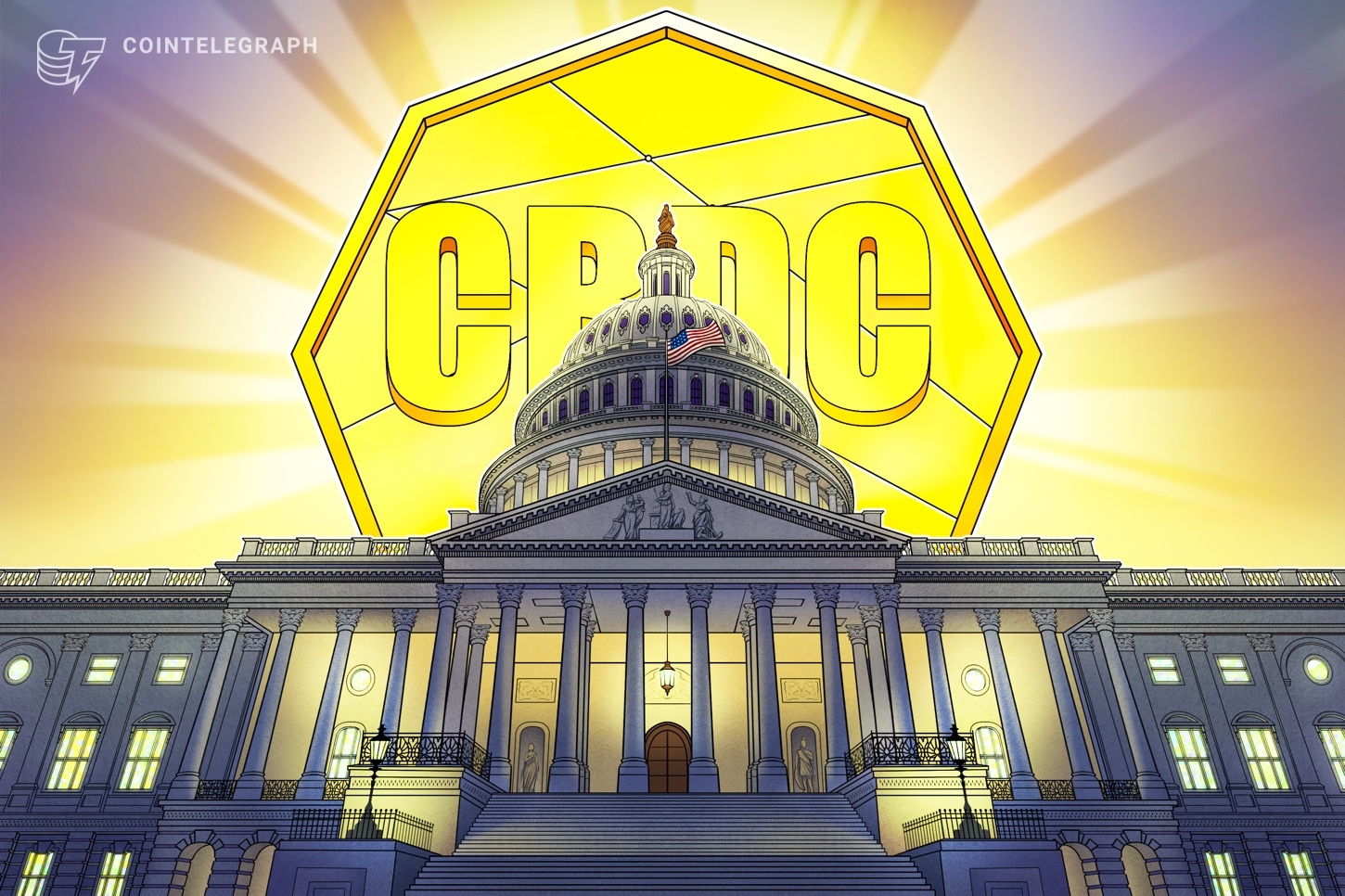
In an important development for the future of digital currencies in the United States, Congressional leaders have reached a consensus on a housing bill that includes a temporary ban on central bank digital currencies (CBDCs) until 2030. This agreement, which brings together both the House and Senate, underscores the growing scrutiny and debate over the implementation of CBDCs in the American financial system.
The proposed ban reflects concerns among lawmakers regarding the potential implications of CBDCs on privacy, monetary policy, and the banking sector. As discussions around digital assets continue to evolve, this move signals a cautious approach by Congress as they seek to navigate the complexities of the digital currency landscape.
With the inclusion of this ban in the housing legislation, the US government aims to establish a framework for further evaluation of CBDCs before potentially integrating them into the economy. Stakeholders in the financial sector and cryptocurrency community will be closely monitoring how this decision will impact the broader discourse on digital currencies going forward.