What happened
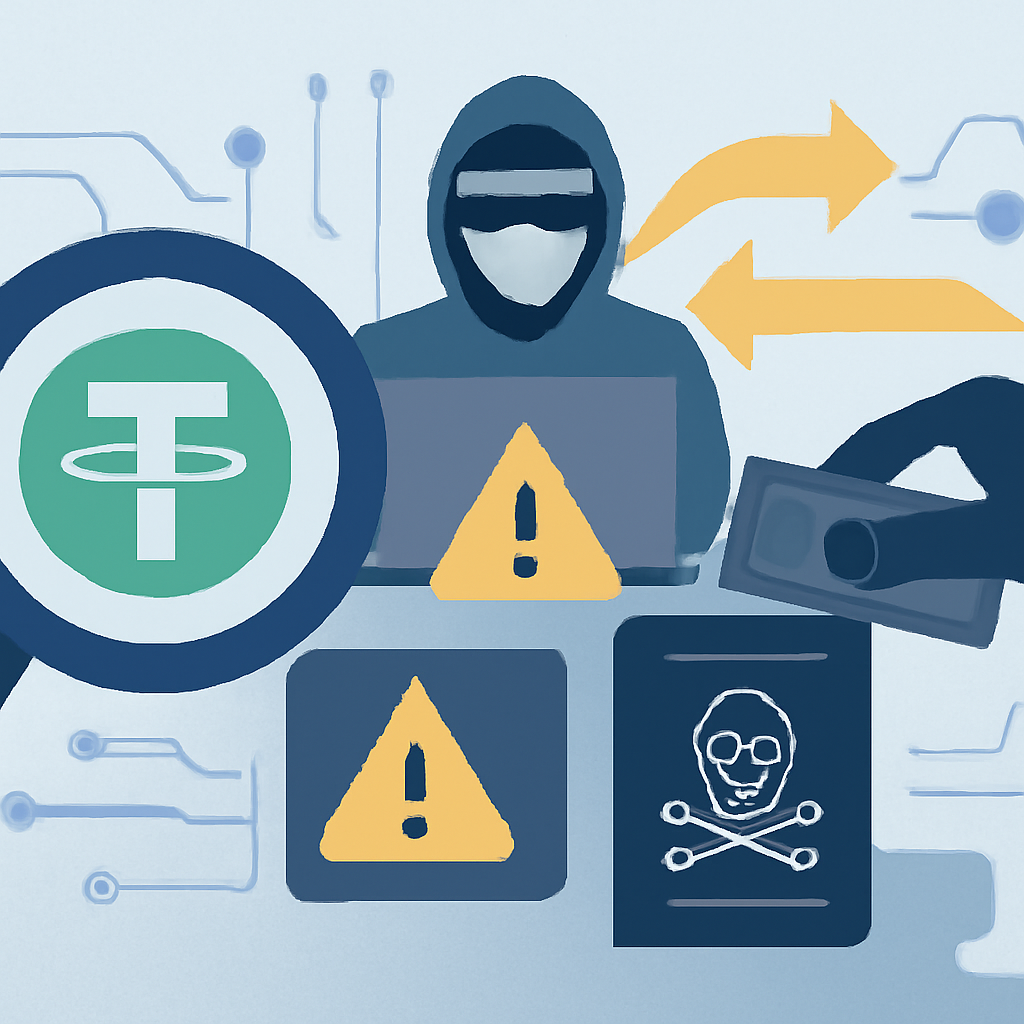
A scammer on Telegram has been selling fake USDT, and to convince potential victims of his legitimacy, he pinned a receipt showing a large on-chain transaction of 100,000 USDT. However, while the receipt is genuine, the USDT being sold is not. Investigating further, it became evident that the wallet linked to the receipt operates under a 2-of-3 multisig structure, commonly used by organizations, which raised red flags about the scammer's operations.
Why this matters
The scam isn't just one person cheating others; it represents a systematic exploitation of unsuspecting victims. The wallet, which appears to be a mere doorway, has processed an astounding $812 million in transactions over the last fifteen months, with almost all of it flowing out. This setup indicates a well-organized scheme that not only affects individual victims but could also have broader implications for the cryptocurrency market and regulatory scrutiny.
Context
The use of multisig wallets by scammers is unusual and suggests a level of sophistication typically associated with legitimate businesses. By analyzing the wallet's transaction history, the investigation revealed that nearly 70,000 different addresses contributed to the scam, each sending small amounts that aggregate into larger sums. This method of collecting funds is not just opportunistic; it appears to be a calculated funnel designed to siphon off money from many victims.
What this means
Following the trail of funds, it becomes clear that the scam operates by exploiting both the gullibility of individuals and the complexities of cryptocurrency transactions. The money ultimately lands in a few well-known addresses associated with major exchanges like OKX, Kraken, and Binance. While there's no evidence that these exchanges are complicit, the existence of such pathways raises concerns about the effectiveness of monitoring systems in place. This situation highlights the need for increased vigilance and improved security measures across the cryptocurrency landscape to protect users from falling victim to similar scams in the future.