What happened
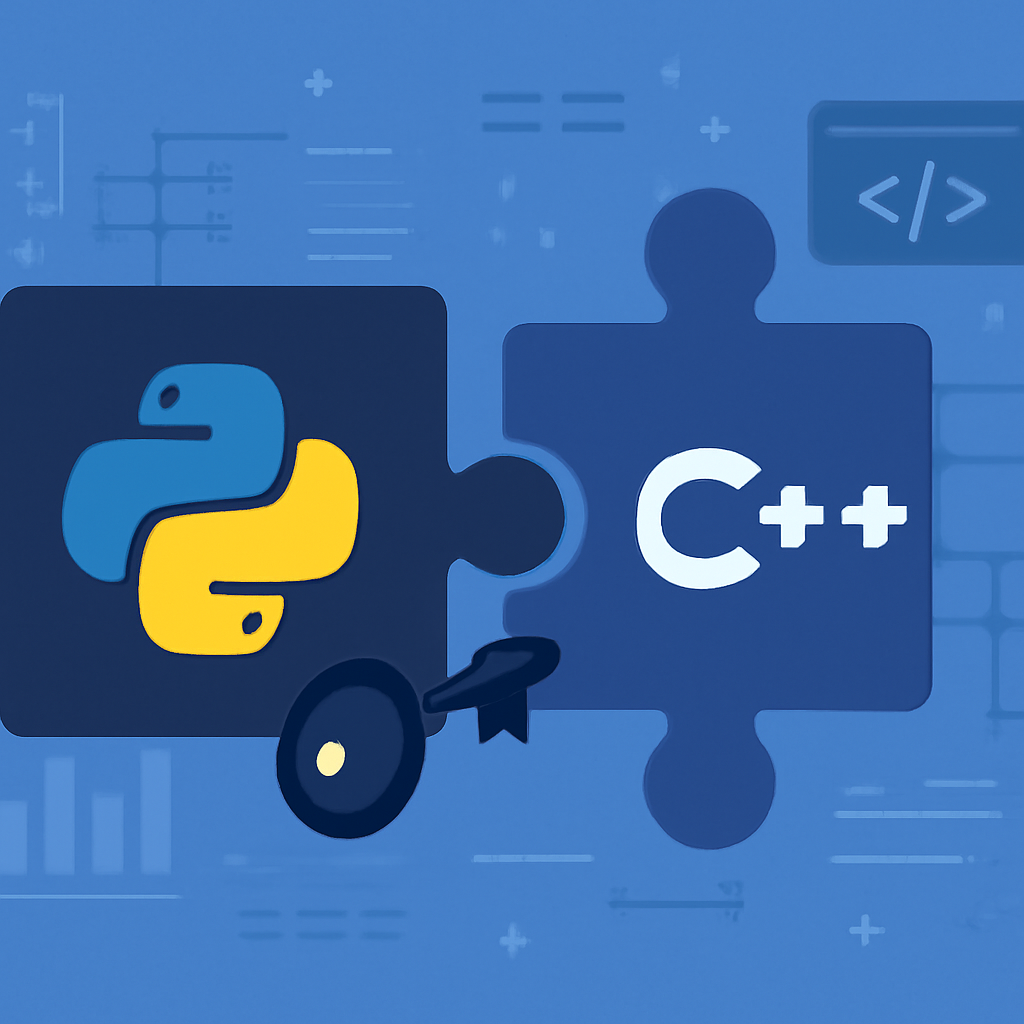
Pybinding has emerged as a solution to a common challenge faced by developers: combining the rapid development capabilities of Python with the computational efficiency of C++. Python excels in areas like prototyping and data manipulation, but it struggles with high-performance tasks. To bridge this gap, Pybinding allows developers to write performance-critical code in C++ while utilizing Python's user-friendly syntax and ecosystem.
Why this matters
The ability to seamlessly integrate C++ with Python opens up new avenues for developers who need to perform complex calculations or manage large datasets efficiently. With tools like Pybinding, users can leverage C++’s speed without sacrificing the ease of Python, significantly improving application performance. This is particularly relevant for industries that rely on heavy data processing, scientific computing, or any domain where execution speed is critical.
Context
Historically, developers have attempted various methods to connect Python with C++. Early solutions, such as Boost.Python, provided a means to create bindings but often involved steep learning curves and cumbersome compilation processes. This made it challenging for many developers who wanted to enhance their Python applications without delving deeply into C++. Pybinding simplifies this process, making it more accessible and efficient.
What this means
The emergence of Pybinding represents a significant step forward in the ongoing quest for better performance in Python applications. By enabling easy and efficient integration of C++, developers can write high-performance modules without the complexities typically associated with traditional binding methods. As a result, we can expect to see more applications that harness the full power of both languages, leading to faster, more efficient software solutions across various fields.