What happened
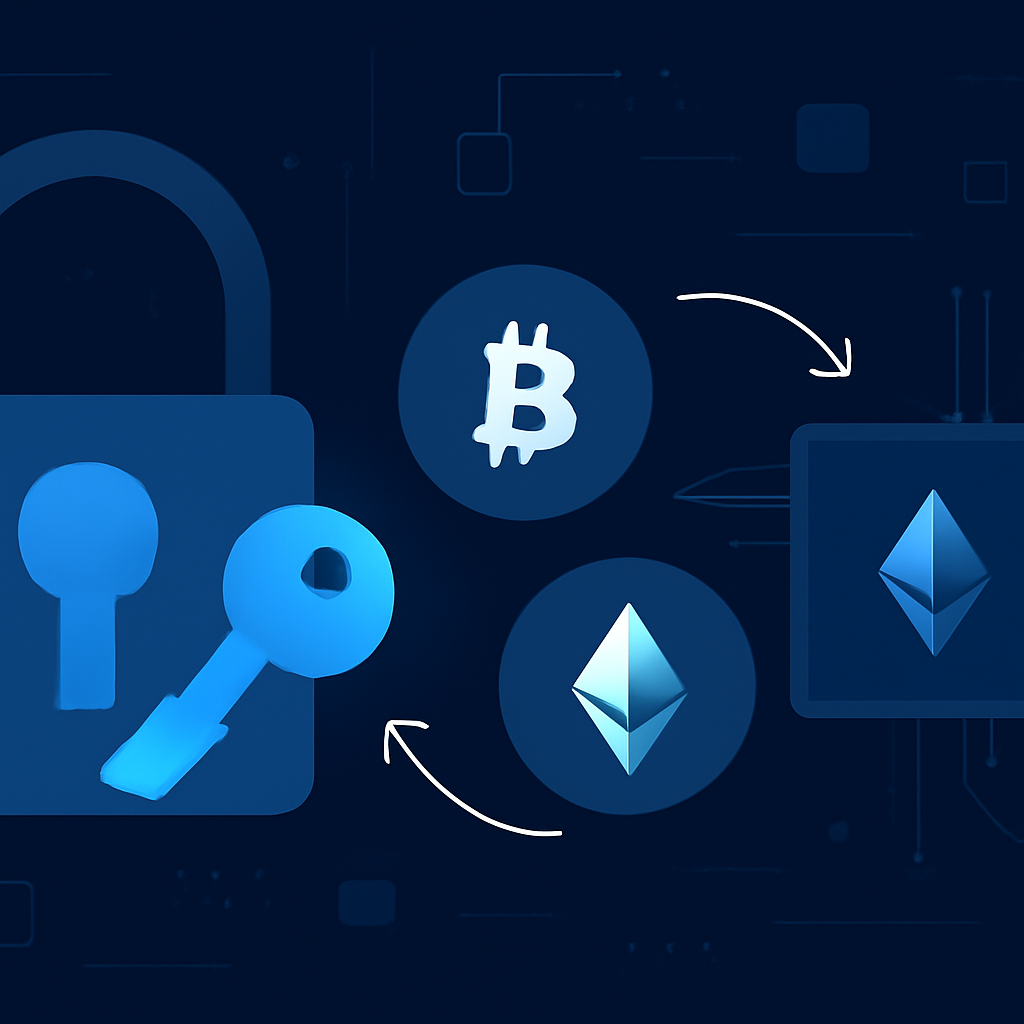
Research into privacy-focused methods for swapping cryptocurrencies, especially from Monero (XMR) to other assets, highlights the advantages of non-custodial swap protocols. Unlike traditional centralized exchanges that require identity verification through KYC (Know Your Customer) processes, non-custodial swaps allow users to trade cryptocurrencies without linking their identity to transactions. This means that users can maintain anonymity and avoid potential risks associated with data breaches or legal inquiries.
Why this matters
The significance of this research lies in the growing concern about privacy in the cryptocurrency space. Centralized exchanges store user data, making it vulnerable to leaks and hacks. Whenever a user completes a transaction on such platforms, their identity remains tied to that transaction indefinitely. Non-custodial swaps, on the other hand, facilitate direct trades between wallets without retaining any personal information. This privacy-enhancing feature is particularly important for users who prioritize anonymity and want to keep their financial activities confidential.
Context
Protocols such as THORChain and Chainflip exemplify the non-custodial approach. THORChain is fully decentralized and supports direct swaps involving Monero, which is a rarity in the current market. However, it has experienced temporary trading pauses for security audits. In contrast, Chainflip offers faster settlement times but currently does not support XMR directly, focusing instead on pairs like BTC, ETH, and SOL. The development of tools like Tokensfund allows users to compare these protocols side by side, making it easier to choose an option that suits their privacy needs.
What this means
While non-custodial swaps provide enhanced privacy, users should be cautious about how they manage their addresses. Even though these protocols do not retain personal data, the destination wallet address used in transactions is still visible on the blockchain. To maximize privacy, it is advisable to send funds to a new address not previously associated with one's identity rather than relying solely on the protocol's privacy features. It's also important to note that non-custodial swaps themselves do not anonymize previous transactions; for instance, swapping BTC into XMR does not retroactively obfuscate the user's earlier BTC transactions. The privacy of Monero stems from its inherent design, not from the mechanisms used in swaps. Continuous evaluation of these protocols' privacy guarantees is essential, as users seek the best options for secure and anonymous cryptocurrency exchanges.