What happened
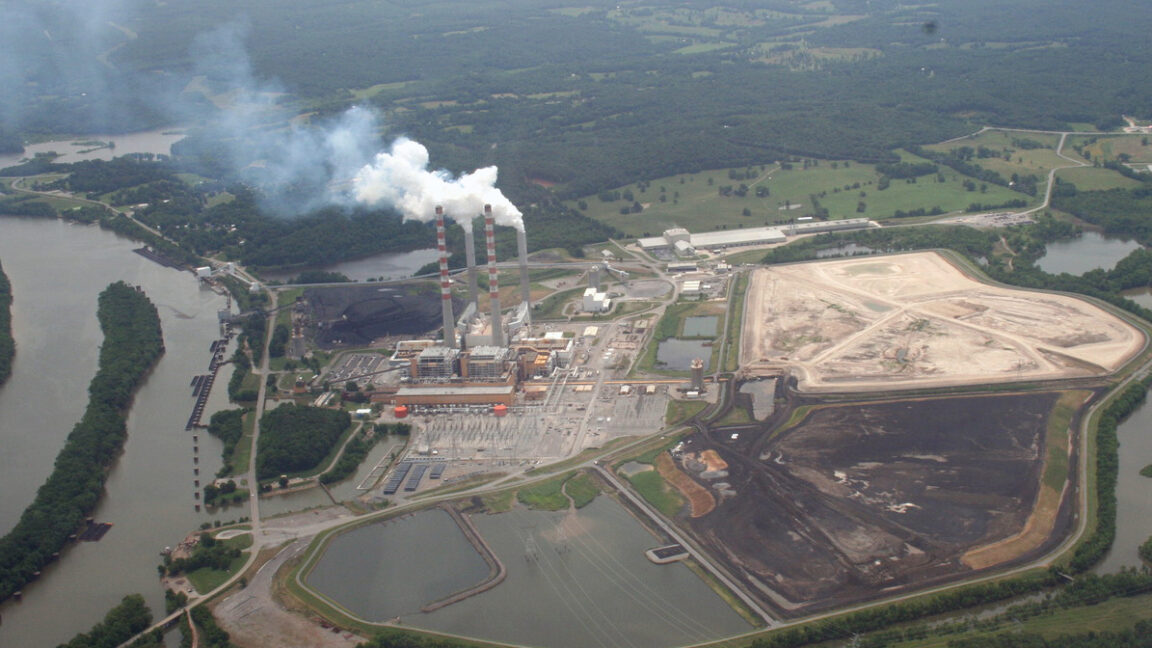
In a surprising move, the Trump administration has allocated $46 million to extend the life of the Cumberland Fossil Plant in Tennessee, a coal-fired facility plagued by years of pollution and operational failures. This funding comes despite the plant being set to close by the end of the decade due to repeated violations of air quality regulations and health issues reported by the Tennessee Valley Authority (TVA). Originally, TVA planned to retire the plant's units between 2026 and 2028, but this decision was reversed following a shake-up in its board.
Why this matters
The decision to invest in an aging coal plant raises significant concerns about environmental policies and public health. By propping up facilities known for their pollution, the administration is sending a message that financial interests may take precedence over environmental regulations. This could have widespread implications for air quality and public health, especially in communities surrounding such plants. Additionally, this funding is part of a broader trend to sustain older coal operations across the country, which could hinder the transition to cleaner energy sources.
Context
The Cumberland Fossil Plant has a troubling history, including a multibillion-dollar settlement in 2011 for failing to install necessary pollution control technologies. Over the years, it has faced numerous citations for air pollution violations, indicating a long-standing struggle with compliance. The Trump administration's recent actions to replace TVA board members and redirect funding towards these plants reflect a significant shift in energy policy, favoring traditional fossil fuels over renewable energy alternatives.
What this means
The injection of federal funds into the Cumberland Fossil Plant signifies a commitment to maintaining coal power, contrary to global trends moving towards sustainability. This could stall progress in reducing greenhouse gas emissions and transitioning to cleaner energy sources. As the U.S. grapples with climate change and public health challenges, such investments could spark increased scrutiny and opposition from environmental advocates and communities affected by pollution. The future of energy policy in the U.S. may hinge on how these decisions unfold in the coming years.