What happened
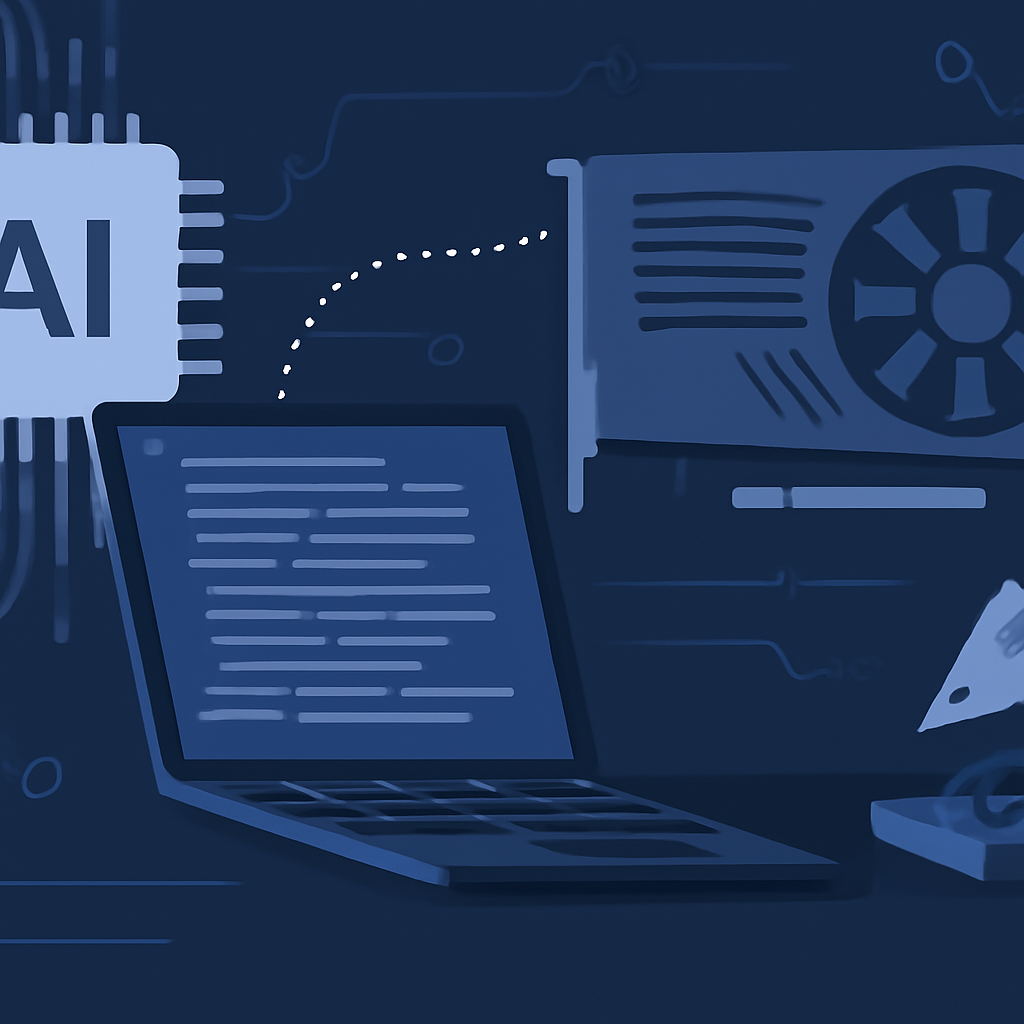
A developer has created a new framework called Picotron, designed to facilitate the training of large language models (LLMs) on older and budget GPUs like the T4 and V100. The motivation behind this initiative stems from the challenges faced with existing frameworks, such as Nanotron, which rely heavily on specific hardware dependencies, leading to crashes on less powerful systems.
Why this matters
This innovation is significant as it opens up LLM training to a broader audience, particularly those who may not have access to the latest GPUs. By removing mandatory GPU-specific dependencies, Picotron enables users to train models on a wider range of hardware, thus democratizing access to advanced AI training techniques. This can accelerate research and development in various fields that rely on LLMs, from education to business applications.
Context
Historically, the training of large language models has been confined to high-end hardware due to the substantial computational resources required. Many existing frameworks are optimized for newer GPUs, which can create barriers for those using older systems. The creation of Picotron represents a shift in focus towards inclusivity in AI development, allowing more researchers and developers to participate without needing cutting-edge equipment.
What this means
Picotron’s ability to run on virtually any GPU that supports PyTorch is a game changer. It defaults to efficient FP16 on older models and BF16 on newer ones, ensuring compatibility while still being able to utilize advanced features like FlashAttention-2 when available. The addition of various configurations for model training further enhances its usability. Overall, this framework could significantly reduce the entry barriers for individuals and organizations looking to experiment with LLMs, fostering innovation and collaboration in the AI community.