What happened
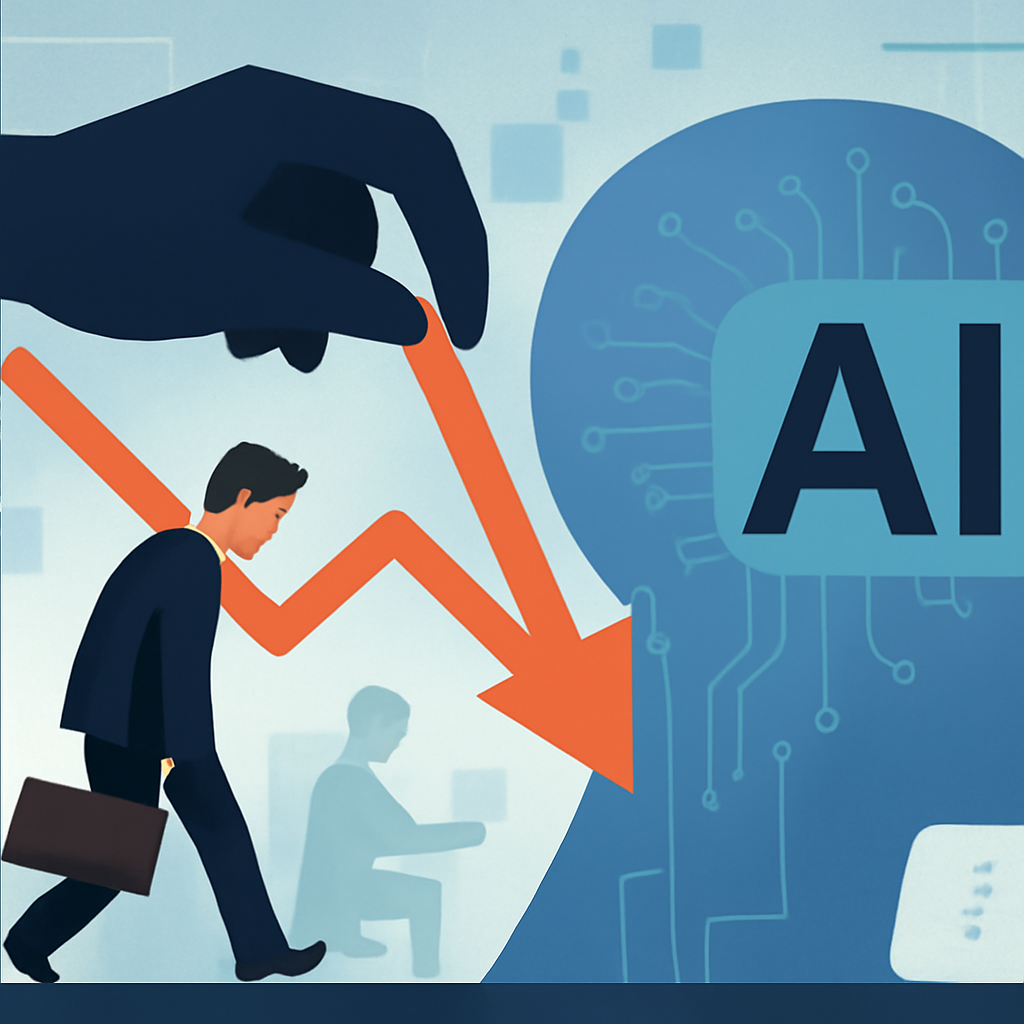
Recently, several companies in the tech industry have announced layoffs, citing the integration of AI technologies as a primary reason. This trend indicates a shift in how businesses are approaching competition, focusing on reducing costs rather than enhancing their product offerings or services.
Why this matters
The implications of these layoffs are significant for the market and the workforce. By opting for AI tools to cut labor costs, companies may be sacrificing quality and oversight. This could lead to a decline in the overall effectiveness of AI applications, which often require human intervention to ensure they function correctly. As organizations prioritize cheaper alternatives over skilled human labor, they may face challenges in maintaining product quality and customer satisfaction.
Context
Historically, businesses have navigated competition through two primary strategies: offering similar products at lower prices or providing superior products at competitive prices. The recent trend suggests a pivot towards the former, where companies are willing to compromise on quality to reduce expenses. This shift raises concerns about the long-term sustainability of such strategies in an increasingly complex market.
What this means
The current approach of reducing headcount in favor of AI could backfire. Instead of fully replacing employees with AI, a more effective strategy may involve empowering existing staff with AI tools to enhance their capabilities. This not only preserves jobs but also leverages the unique strengths of human employees alongside the efficiency of AI. As businesses continue to navigate this landscape, the balance between cost-cutting and quality assurance will be crucial for their success and longevity.