What Happened
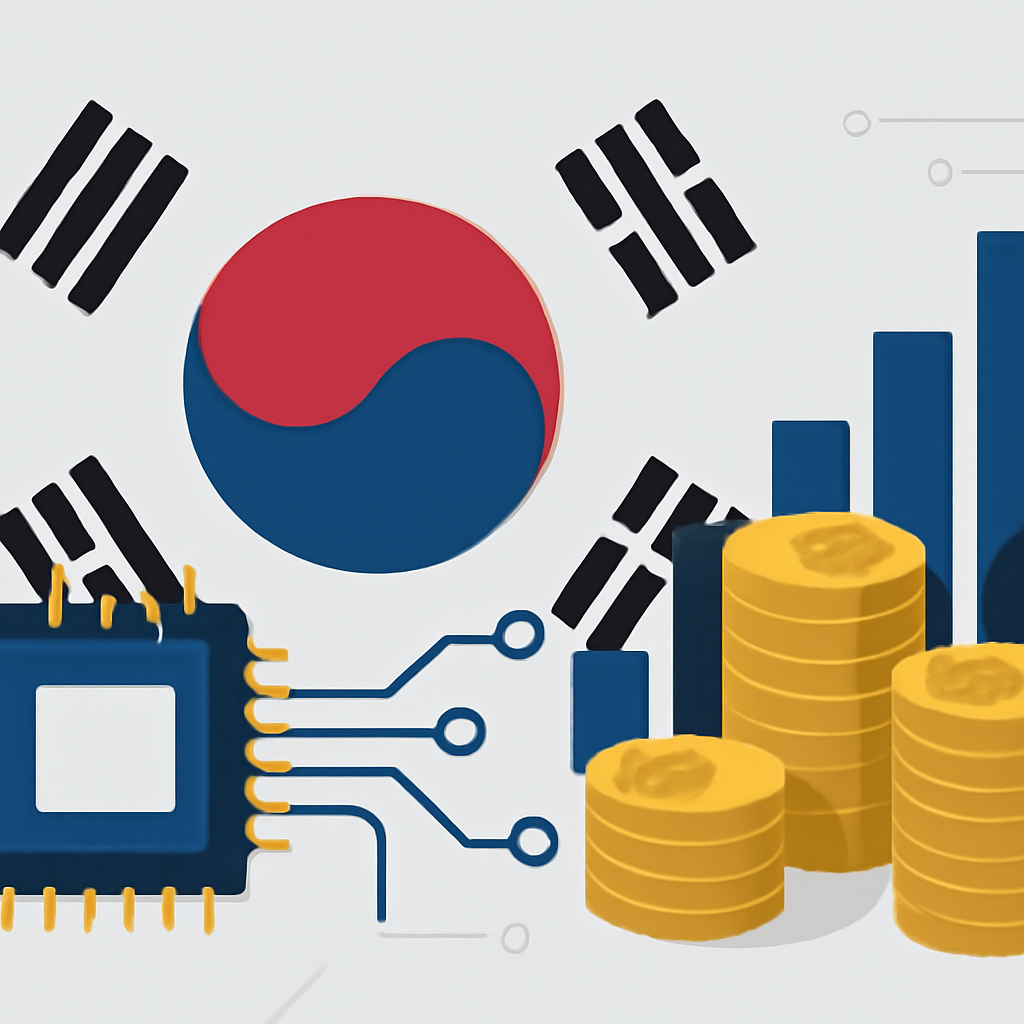
Samsung Electronics and SK Hynix, the two largest chip manufacturers in South Korea, announced plans to jointly invest $590 billion with the government to expand memory chip production. These measures aim to address the chip shortage that has become critically important due to the surging demand driven by the boom in artificial intelligence technologies.
Why This Is Important
This investment could significantly alter the landscape of the global semiconductor market. By ramping up chip production, South Korea aims to secure a leading position in this key industry, potentially helping to lower prices and improve component availability for electronics manufacturers. This is particularly relevant in light of the increasing demand for AI technologies that require substantial computational resources.
Context
The semiconductor industry has long been considered the backbone of many high-tech sectors, including mobile devices, computers, and, of course, artificial intelligence systems. The chip shortage that began in 2020 became especially acute due to the global pandemic and rising demand for electronics. South Korea, with some of the most advanced manufacturing capabilities in the world, views this investment as a way to strengthen its position and reduce reliance on external suppliers.
What It Means
The increase in investments in chip production could lead to the creation of new jobs and bolster economic growth in the region. However, on the flip side, such a massive project may face challenges related to execution, including the need for new technologies and potential environmental consequences. Additionally, competition with other countries that are actively developing their semiconductor industries will become even more intense. Ultimately, the success of this initiative will depend on South Korea's ability to adapt to rapidly changing market conditions and technological challenges.