What happened
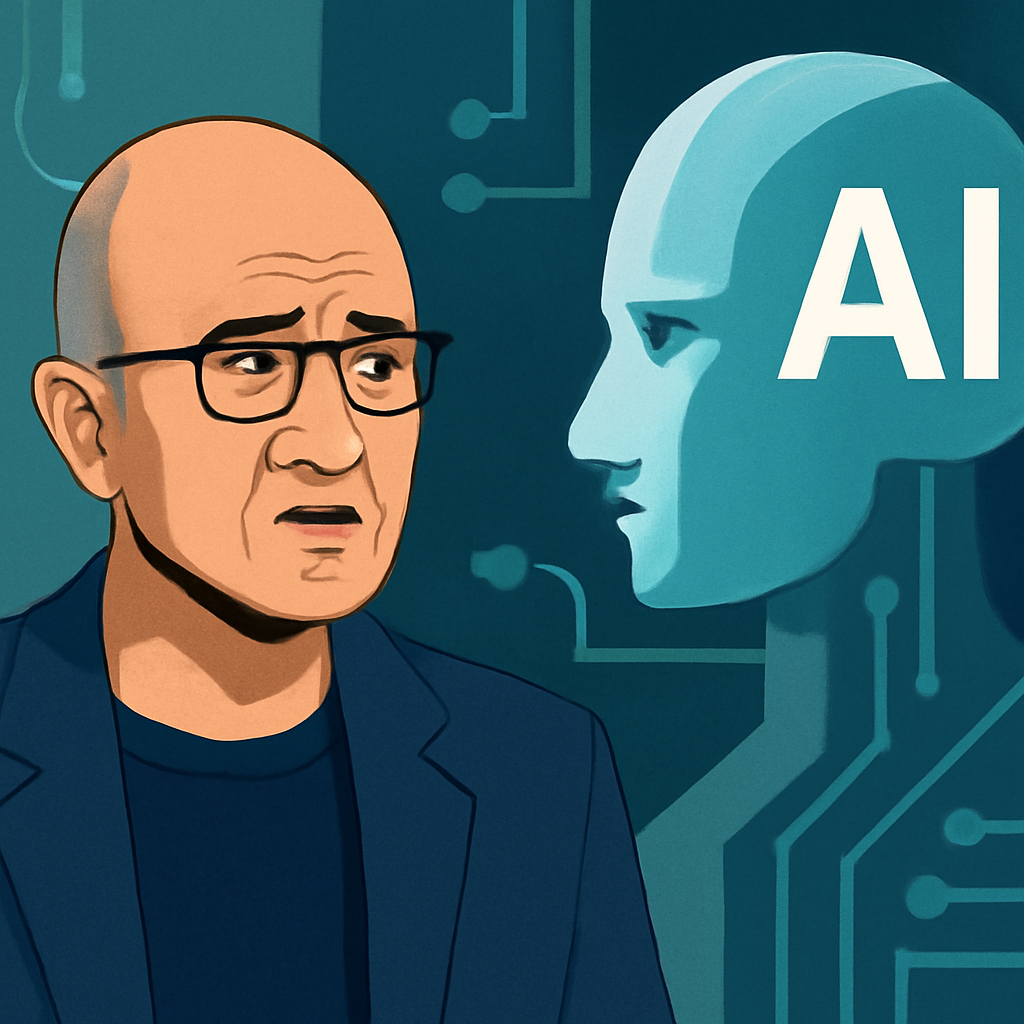
Microsoft's CEO, Satya Nadella, has expressed serious concerns regarding the increasing dominance of a handful of companies in the field of artificial intelligence. He argues that this concentration of power poses risks to the equitable development and deployment of AI technologies. Nadella emphasizes the need for more affordable AI models and greater accessibility to ensure that the benefits of AI are shared widely, rather than being controlled by a select few.
Why this matters
The concentration of AI power could lead to monopolistic practices, stifling innovation and limiting options for consumers and businesses alike. Nadella's call for cheaper AI solutions aims to democratize access to this transformative technology, potentially driving more competition in the market. This shift could empower smaller companies and startups to innovate, thereby enriching the AI ecosystem.
Context
Historically, the tech landscape has often seen power concentrated in the hands of a few major players. This trend raises questions about fairness and accountability in emerging technologies. Nadella’s remarks reflect a growing awareness within the industry about the ethical implications of AI development and the necessity for broader participation in shaping its future.
What this means
Nadella's advocacy for wider access to AI could lead to significant changes in how AI technologies are developed and deployed. If implemented, it may foster a more diverse and innovative AI landscape, where smaller entities can contribute to advancements. Ultimately, this could enhance the overall quality of AI applications available to consumers and businesses, ensuring that the benefits of AI are not just reserved for the few, but accessible to all.