Что произошло
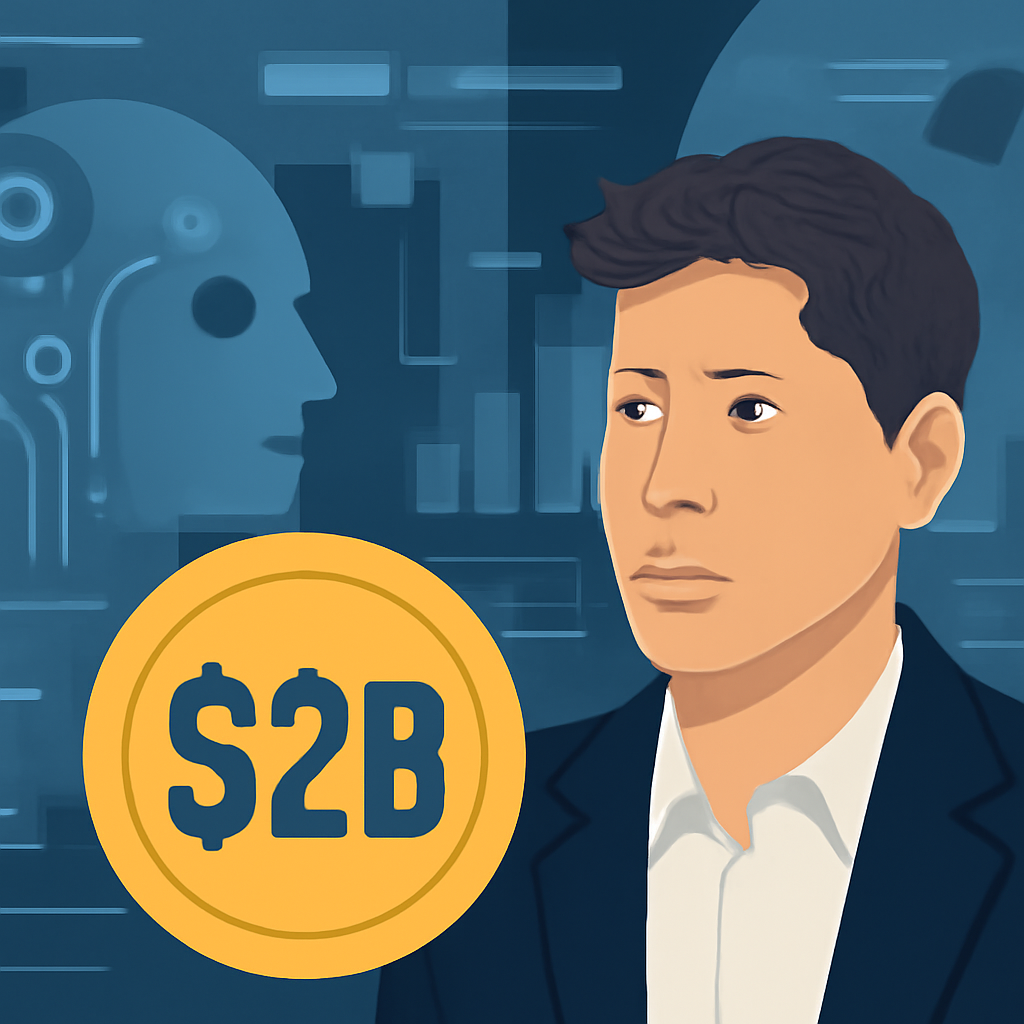
Sam Altman, CEO of OpenAI, has come under scrutiny for holding no direct equity in OpenAI despite having significant stakes—over $2 billion—in companies that have engaged in various deals with the AI firm. This unusual financial arrangement has prompted inquiries from six state attorneys general and the House Oversight Committee as OpenAI prepares for its initial public offering (IPO).
Почему это важно
The situation raises critical questions about potential conflicts of interest. Altman profits when companies he’s invested in secure contracts with OpenAI, yet he doesn’t directly benefit from OpenAI's financial success. This duality could influence decisions made at OpenAI, as his personal financial incentives might not align with the company's objectives. Understanding this dynamic is essential for investors and regulators, especially as OpenAI approaches its IPO.
Контекст
Altman's investments focus on companies like Helion Energy, Stoke Space, and Merge Labs. Helion, a nuclear fusion startup, has been a long-term investment for Altman and is rumored to receive substantial funding from OpenAI. Stoke Space, a rocket company, has seen Altman suggest partnerships involving OpenAI's resources. Merge Labs is another venture he co-founded, aimed at competing with Musk's Neuralink, where Altman holds a board position but no equity.
Что это значит
This situation highlights a complex web of financial relationships that could impact OpenAI's future. As the IPO approaches, the scrutiny on Altman's investments might lead to a reevaluation of governance practices at OpenAI. Stakeholders will need to consider how these relationships could affect decision-making and ethical considerations in the rapidly evolving AI landscape. Investors and regulators alike will be keenly watching how these factors play out in the lead-up to the IPO.