What happened
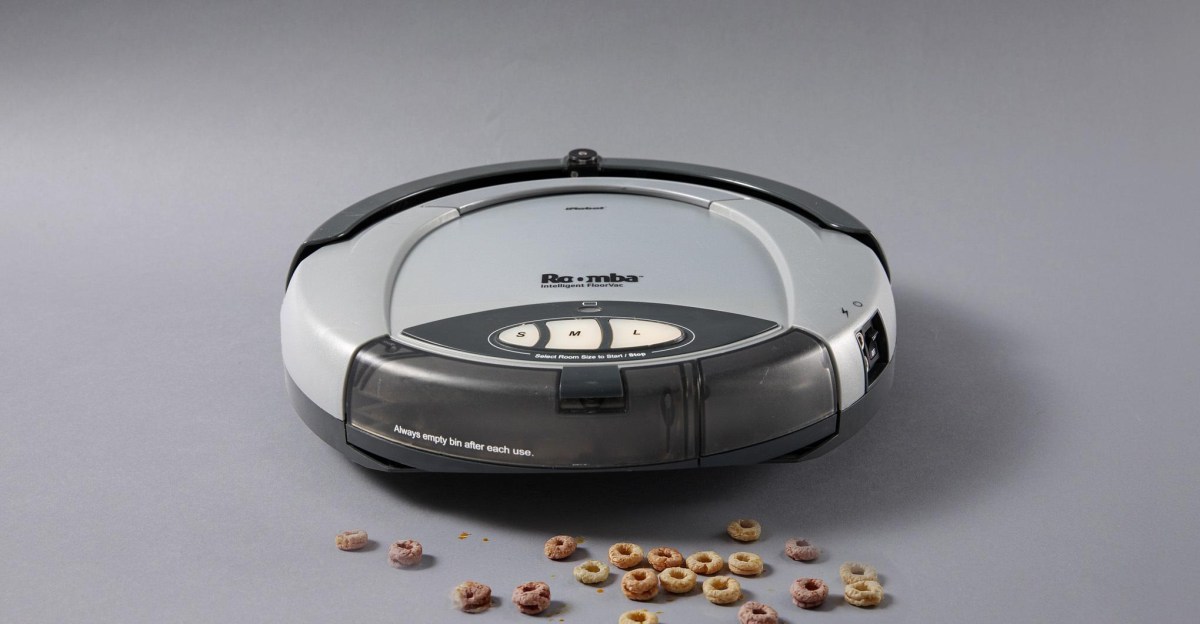
The Roomba, a robotic vacuum cleaner, started its journey in the early 2000s, introducing consumers to the concept of automated cleaning. Initially, these devices were quite basic, bumping around homes randomly while attempting to pick up dirt and debris. Despite their limitations, they quickly gained popularity, becoming a beloved household item for many users.
Why this matters
The rise of the Roomba marked a significant shift in the robotics market, demonstrating that consumers were eager to embrace technology that simplified everyday tasks. This paved the way for a new category of household appliances, leading to the development of more advanced robotic cleaners and other smart home devices. The Roomba's success also opened doors for iRobot, the company behind it, to innovate further in the robotics space.
Context
Before the Roomba, home cleaning was largely manual, and the idea of a robot taking over such tasks was largely confined to science fiction. The Roomba was one of the first consumer products to bring this concept to life, showcasing the potential for robots to integrate into daily life. Its design and functionality were the result of extensive research and development by a team of engineers who aimed to create a user-friendly cleaning solution.
What this means
The Roomba's legacy is more than just a cleaner; it symbolizes a cultural shift towards automation in the home. Users began to see robots as helpful companions rather than just machines, fostering a relationship that encouraged further technological advancements. As a result, the Roomba not only revolutionized the cleaning industry but also laid the groundwork for future innovations in robotics, influencing how we interact with technology in our everyday lives.