What happened
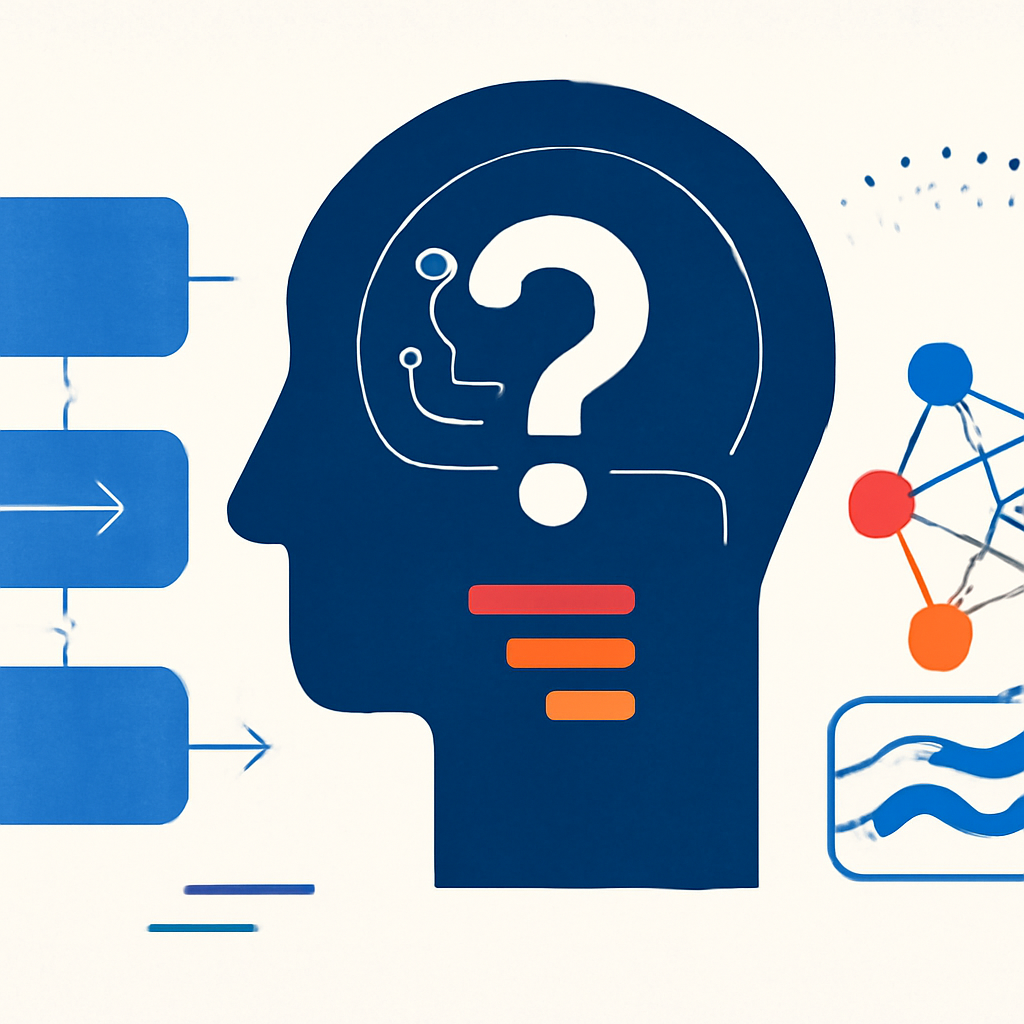
A discussion has emerged comparing three major AI architectures: Recurrent Neural Networks (RNNs), Transformers, and State Space Models (SSMs). The core of the debate revolves around how memory is utilized in these models and where it should reside to enhance continual learning.
Why this matters
Understanding the memory architecture is vital for improving AI's ability to learn continuously from new information. RNNs store memory in a compact hidden state, but this can limit their effectiveness due to a poor memory-to-compute ratio. In contrast, Transformers manage memory through key-value caches, allowing them to retain past information but complicating the process of integrating this memory into the model's fixed weights. SSMs attempt to address these issues by reintroducing explicit state management.
Context
RNNs were traditionally favored for their elegant memory handling, but their inefficiency in scaling memory with parameters became a significant drawback. Transformers revolutionized the field by using attention mechanisms that allow them to reference past activations, but at the cost of a disconnect between temporary context and long-term knowledge. SSMs represent a newer approach that aims to blend the benefits of both previous architectures while tackling their limitations.
What this means
The ongoing exploration of memory architecture raises important questions about the future of AI. Should memory be a compact, constant size that evolves with the model, or should it expand indefinitely? This debate could redefine how AI systems learn and adapt over time, suggesting that a hybrid approach may be the best path forward. The key takeaway is that the debate on memory management is not just an academic exercise; it has real implications for the performance and capabilities of future AI systems.