What happened
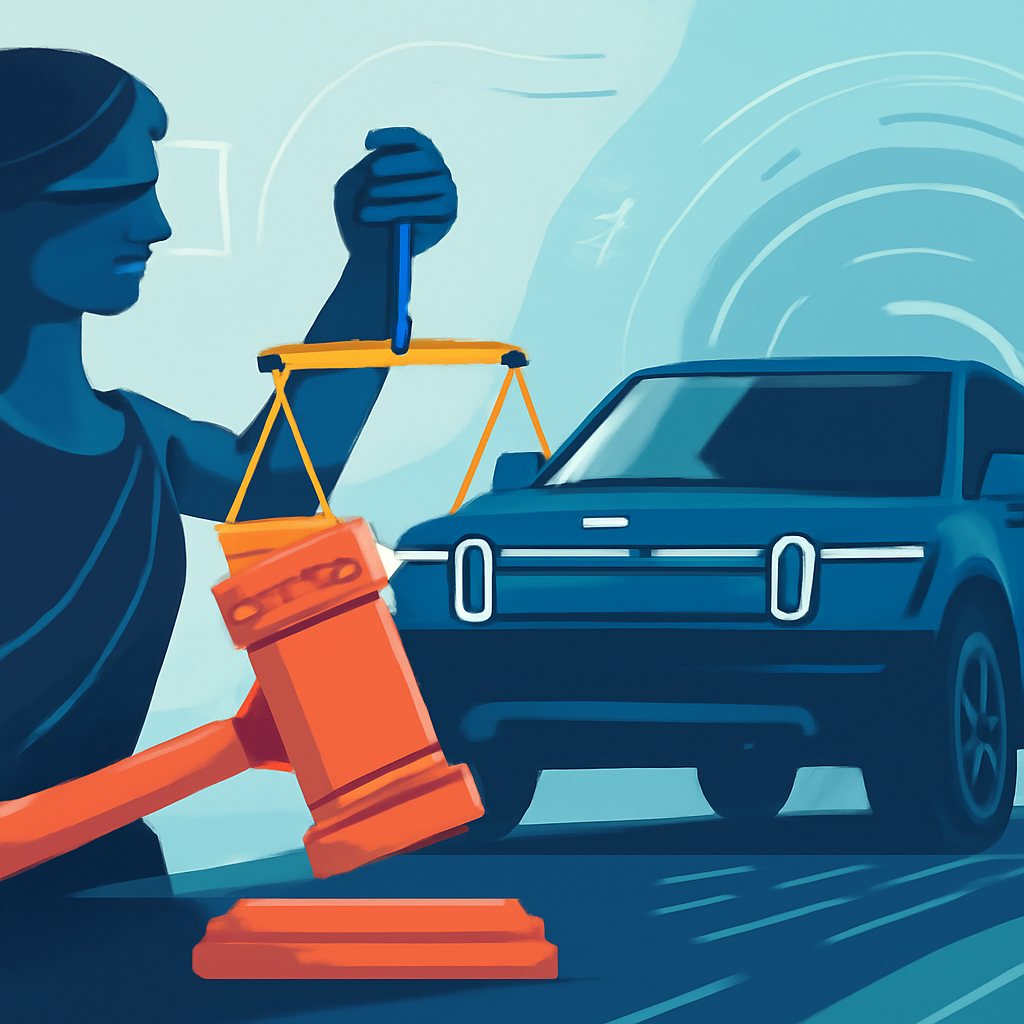
A group of Rivian vehicle owners has filed a class-action lawsuit against the electric vehicle manufacturer, alleging that the company made false claims about the self-driving capabilities of its first-generation R1 models. The plaintiffs argue that Rivian repeatedly assured customers that hands-free driving features would be available, yet these promises remain unfulfilled.
Why this matters
This lawsuit could have significant implications for Rivian's reputation and its business model. If the court finds in favor of the plaintiffs, it could set a precedent for how automakers communicate about autonomous driving features. Furthermore, it raises questions about consumer trust in the rapidly evolving EV market, particularly as more companies enter the space with similar promises.
Context
Rivian, founded in 2009, has positioned itself as a leader in the electric vehicle sector, primarily focusing on adventure-oriented trucks and SUVs. The company has heavily marketed its vehicles' advanced technology, including self-driving features, which are increasingly becoming a key selling point in the automotive industry. However, as the technology has proven complex and slow to develop, many companies, including Rivian, have faced scrutiny regarding their timelines and capabilities.
What this means
This legal challenge highlights the fine line between marketing and reality in the tech-driven automotive landscape. If Rivian is found liable, it could not only face financial repercussions but also damage its credibility with current and potential customers. The outcome of this lawsuit might also influence how other companies in the EV sector communicate the capabilities of their vehicles, potentially leading to more cautious marketing strategies in the future.