What happened
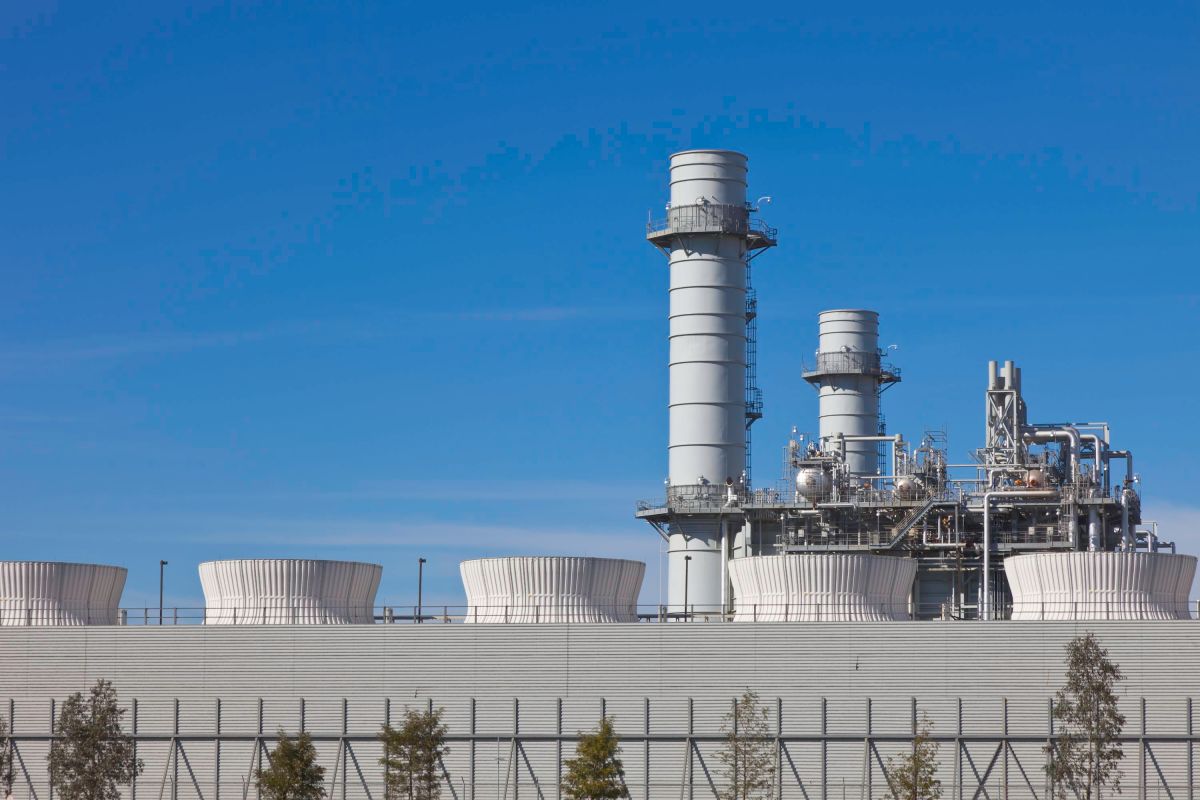
Nvidia has unveiled a new cooling system designed to significantly reduce water consumption in its data centers. This innovative approach aims to make the operation of these facilities more sustainable, aligning with the growing emphasis on environmental responsibility in tech. However, while this development is noteworthy, it overlooks a larger issue related to the water footprint of artificial intelligence—specifically, the water used by fossil fuel power plants that generate electricity for AI operations.
Why this matters
The introduction of a water-efficient cooling system is a positive step for Nvidia, as data centers are notorious for their high water usage. By cutting down on water consumption, Nvidia could set a precedent for other companies in the industry, encouraging them to adopt more sustainable practices. However, the fact that this system does not address the water demands of the fossil fuel plants raises questions about the overall effectiveness of such initiatives in truly reducing AI's environmental impact.
Context
The tech industry is under increasing scrutiny regarding its environmental footprint, particularly as AI technologies become more prevalent. Data centers consume vast amounts of energy and water, primarily due to their cooling requirements. As companies like Nvidia innovate to decrease water usage internally, the broader conversation surrounding the sustainability of energy sources remains critical. The reliance on fossil fuels for power generation not only contributes to water scarcity but also exacerbates climate change.
What this means
While Nvidia's new cooling technology is a commendable advancement in making data centers more efficient, it highlights a gap in addressing the larger environmental challenges associated with AI. Reducing water consumption in data centers is important, but without tackling the water used by fossil fuel power plants, the overall sustainability of AI technologies remains compromised. This situation calls for a holistic approach to energy sourcing and management in the tech industry, pushing for cleaner energy alternatives that do not exacerbate water shortages. The future of AI sustainability hinges not just on technological innovations, but also on a commitment to responsible energy practices.