What happened
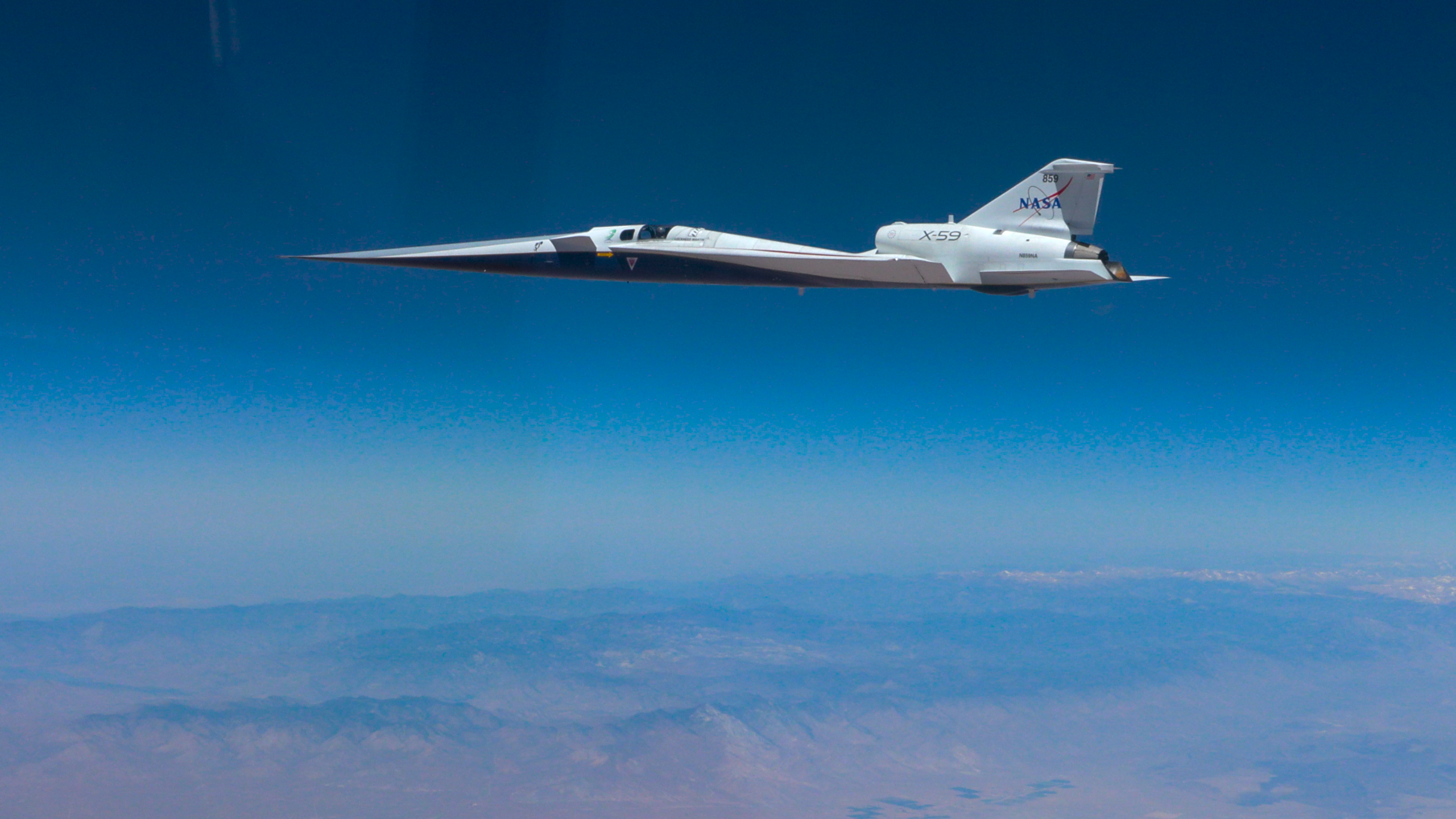
NASA has recently begun test flights of the X-59 Quesst, an experimental aircraft designed to demonstrate supersonic flight without the traditional loud sonic boom. Instead of the disruptive noise that has historically accompanied supersonic jets, the X-59 aims to produce a much quieter sound, comparable to a car door slamming 20 feet away. This innovative approach could revolutionize how future supersonic airliners are designed, particularly for overland routes.
Why this matters
The success of the X-59 could pave the way for commercial supersonic flights that are acceptable for overland travel. Currently, regulations prevent supersonic jets from flying over land due to noise pollution concerns. If NASA can prove that quieter supersonic travel is possible, it could lead to a new era in aviation, allowing airlines to offer faster travel times without disturbing people on the ground. This could also impact air travel economics, making supersonic flights more viable and appealing to passengers.
Context
The X-59 is part of NASA's broader quest to explore and develop Quiet SuperSonic Technology. The last commercial supersonic airliner, Concorde, was retired over two decades ago, largely due to its sonic boom and high operational costs. Since then, advancements in technology have made it possible to rethink supersonic designs, and the X-59 represents a significant step forward in this ongoing effort.
What this means
If the X-59's flight tests prove successful, it could lead to significant changes in aviation regulations and open up new routes for airlines. Additionally, feedback from the public during the planned tour of the U.S. will be crucial in shaping the future of supersonic travel. This could ultimately lead to a new generation of aircraft that combine speed with a more considerate approach to noise pollution, enhancing the overall travel experience for passengers and communities alike.