What happened
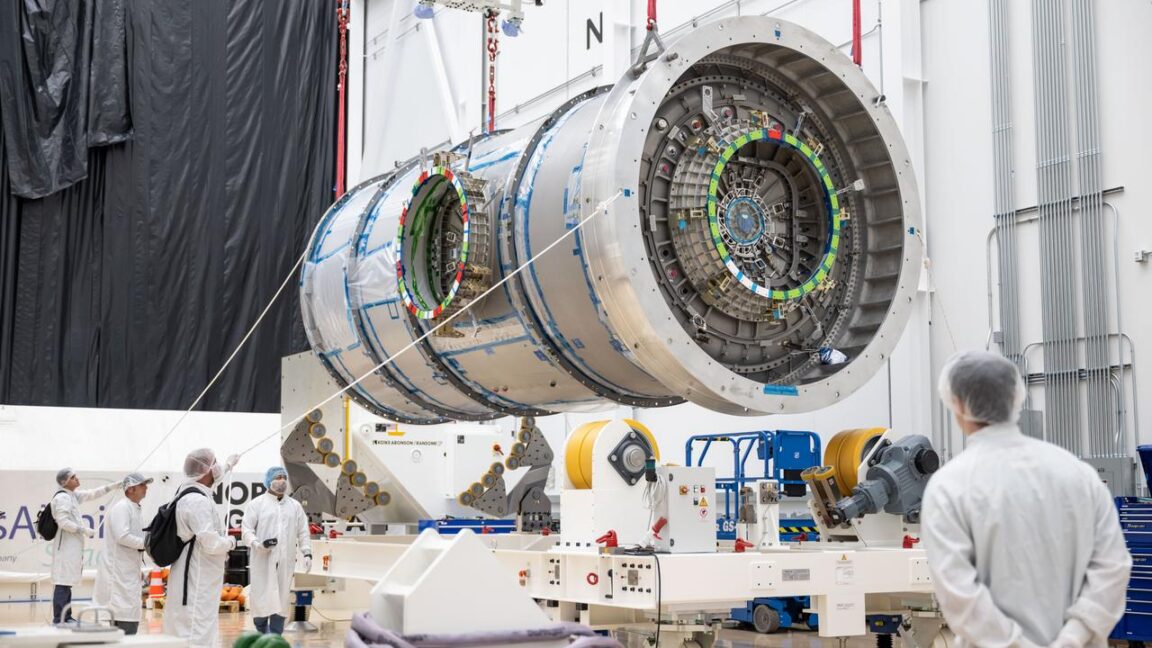
NASA has recently instructed Northrop Grumman to stop development on the Habitation and Logistics Outpost (HALO) module, which was meant to be a key part of the Lunar Gateway. This decision comes on the heels of a significant strategic shift by NASA, moving from the concept of an orbital space station to establishing a permanent base on the Moon's surface. This change has caused a reassessment of the projects previously in the works, including HALO.
Why this is important
The pause in HALO's development raises questions about the future of lunar exploration. HALO was intended to serve as a living space for astronauts visiting the Lunar Gateway, and its suspension could impact timelines for upcoming lunar missions. With the focus now on a Moon base, resources and attention are likely to be redirected, potentially delaying the overall lunar program and altering future mission plans.
Context
NASA's announcement about shifting its lunar strategy came just three months ago during a high-profile event, where officials emphasized a new direction for lunar exploration. Previously, the Lunar Gateway was a cornerstone of NASA's Artemis program, designed to support future missions to the Moon and beyond. The decision to pause HALO illustrates the agency's willingness to adapt its plans as new priorities emerge in the evolving landscape of space exploration.
What this means
The halt in HALO's development signifies a major pivot in NASA's approach to lunar exploration. While the Power and Propulsion Element is being repurposed for a different purpose, the future of HALO remains uncertain. This could lead to either a complete redesign or a shift in focus towards more immediate lunar surface missions. Ultimately, this decision reflects NASA's commitment to flexibility and innovation in its ambitious goal of establishing a sustainable human presence on the Moon.