What Happened
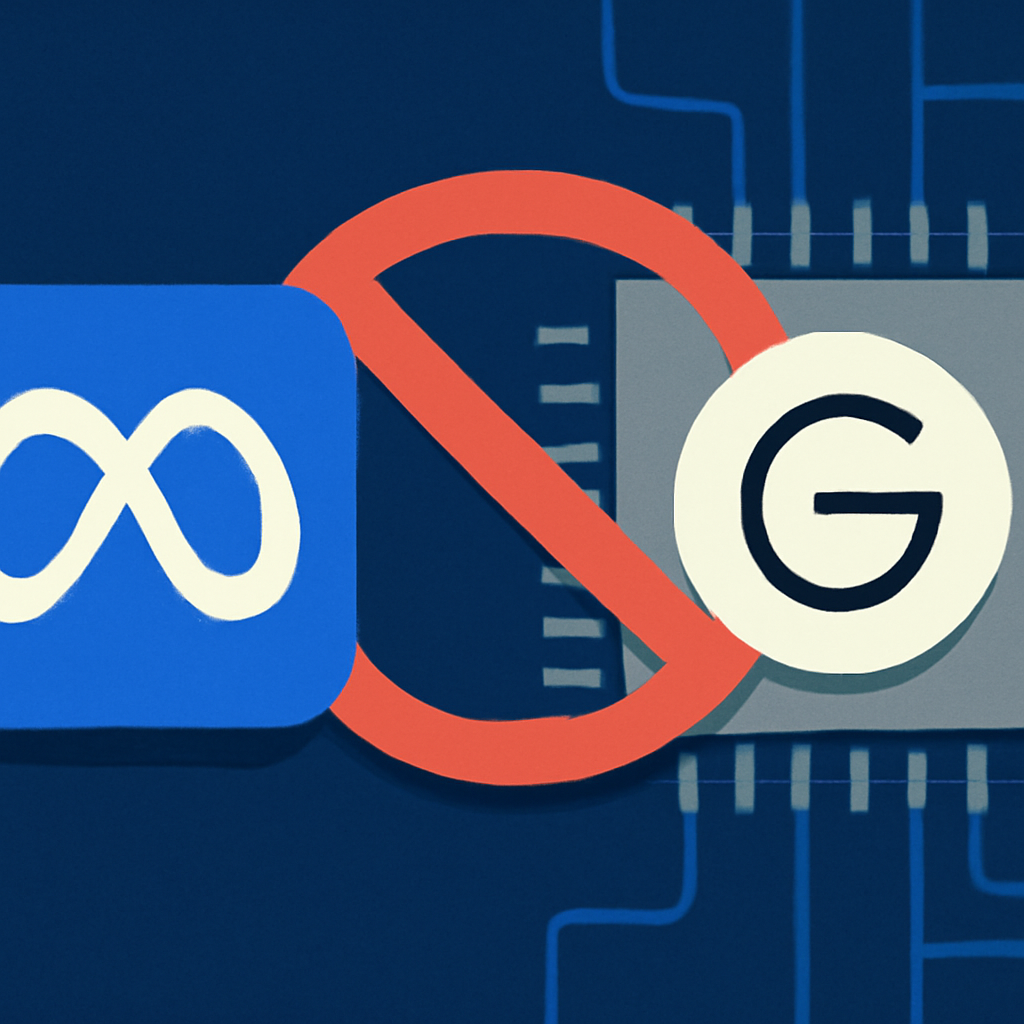
Meta reached out to Google requesting expanded access to computing power for their Gemini project. However, Google responded with a denial, citing a chip shortage. This decision came as a shock to Meta, as the company was counting on these resources to advance its AI initiatives.
Why It Matters
Google's refusal significantly hampers the development of several AI projects at Meta that rely on robust computing infrastructure. In the context of a global semiconductor shortage, such decisions can lead to delays and a decline in Meta's competitiveness in the tech market. It also highlights the challenging situation within chip supply chains, which could negatively impact the entire industry.
Context
In recent years, the semiconductor market has faced serious supply disruptions, making it difficult to access the necessary components for developing new technologies. Meta, like many other companies, is actively advancing its AI solutions, and having sufficient computing power is critical for the successful execution of these projects. Gemini is one of Meta's key initiatives, designed to help the company enhance its algorithms and create more efficient AI systems.
What This Means
Google's denial of chip access for Gemini could slow down the development of Meta's AI solutions and affect its market position. The company will be forced to seek alternative sources of computing power or rethink its plans. This underscores the importance of access to critical resources in the tech sector and signals potential consequences for the entire industry, which relies on stable semiconductor supplies.