What happened
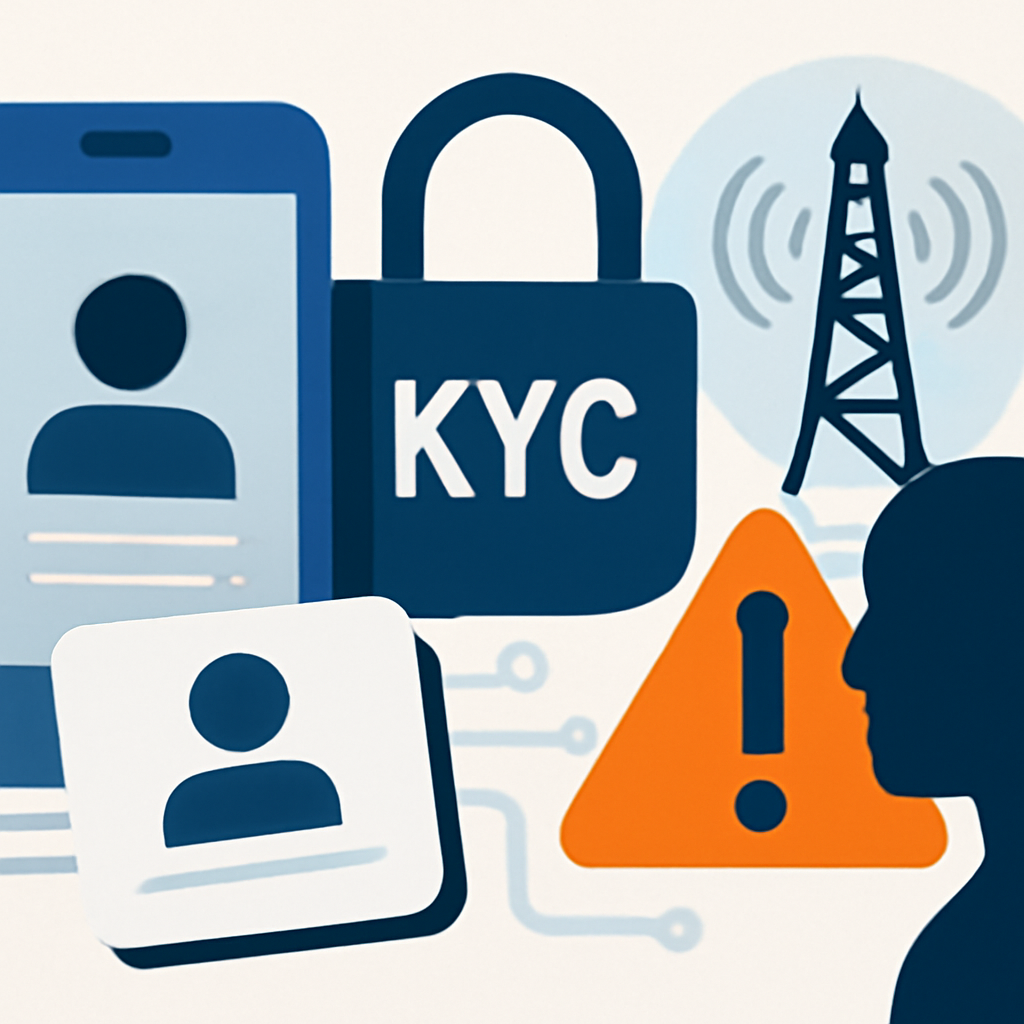
Greg Maxwell, a notable figure in the Bitcoin community, has submitted comments opposing the FCC's proposal for mandatory Know Your Customer (KYC) regulations in the telecom sector. His argument extends beyond telecommunications, highlighting a troubling trend towards compulsory identification in various aspects of life.
Why this matters
The implications of mandatory KYC are significant for everyone, especially those who value their privacy. If anonymous access to services diminishes, it risks turning every data breach into a potential threat, as personal information could be easily exploited. This environment could make using Bitcoin itself seem suspicious, particularly for users who prioritize confidentiality in their financial dealings. Ultimately, it’s ordinary users, journalists, activists, and privacy advocates who stand to lose the most.
Context
Historically, KYC regulations were mainly associated with financial institutions to combat fraud and money laundering. However, the expansion of these requirements into the telecom sector signals a shift towards ubiquitous identification. This change could set a precedent for other industries to follow suit, further eroding privacy.
What this means
The push for mandatory KYC in telecoms reflects a broader societal trend towards surveillance and control. As privacy erodes, the risk of becoming a target for malicious entities increases. Furthermore, those with nothing to hide may still find themselves at risk, as the distinction between innocent users and potential 'criminals' blurs. This situation heightens the importance of advocating for privacy rights and questioning the necessity and effectiveness of such regulations.