What happened
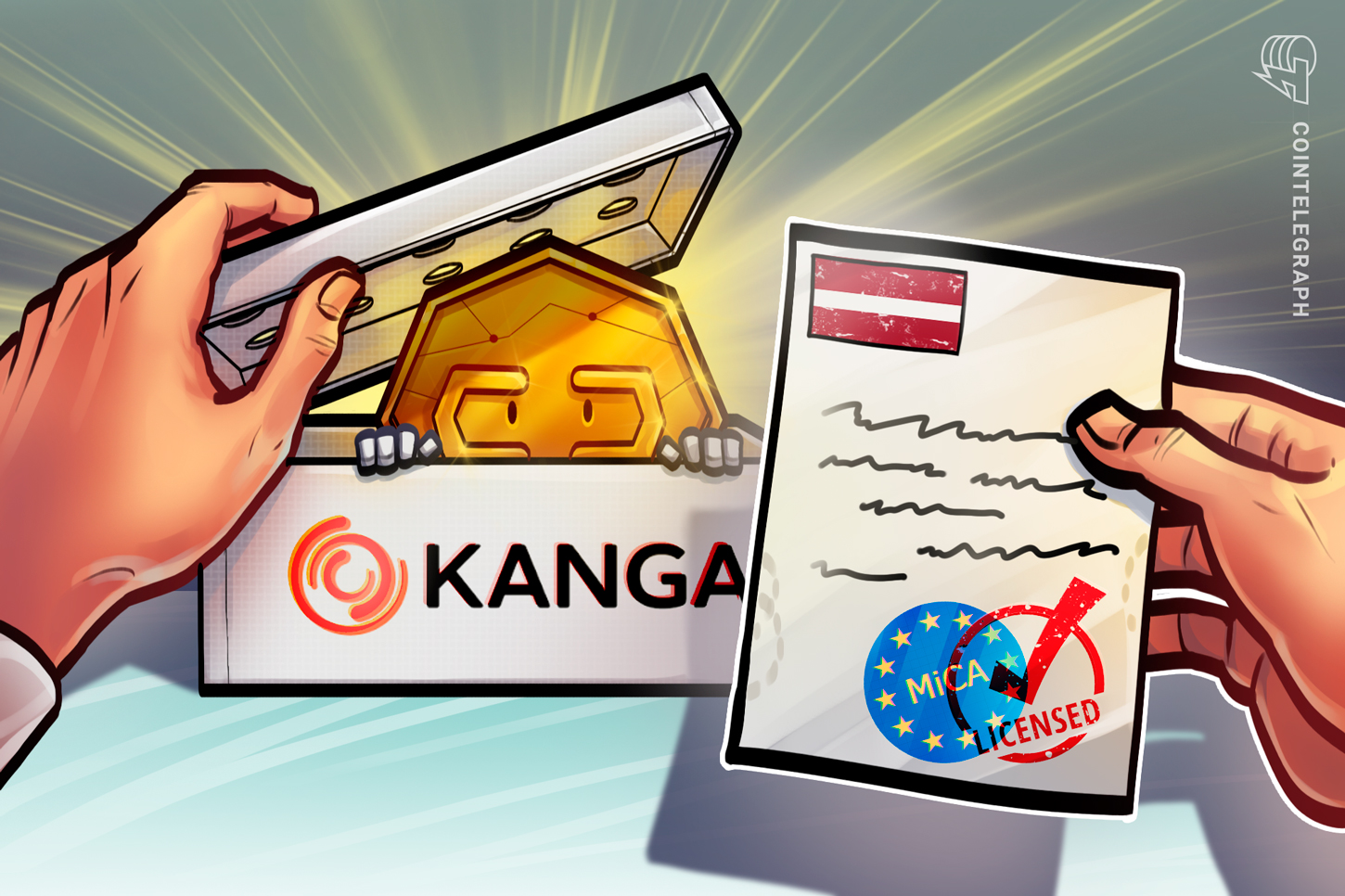
Kanga, a cryptocurrency exchange originating from Poland, has recently been granted a Class 3 MiCA (Markets in Crypto-Assets) license in Latvia. This license allows Kanga to offer its services across the European Union, marking a significant step in the exchange's growth and expansion.
Why this is important
The acquisition of the MiCA license positions Kanga as a major player in the European crypto market. It not only enables the exchange to operate across EU member states but also signals the increasing regulatory acceptance of cryptocurrencies. As Polish lawmakers continue to discuss the implementation of this regulatory framework, Kanga's move could set a precedent for other exchanges in the region, encouraging them to seek similar licenses and comply with EU regulations.
Context
The MiCA regulation aims to create a unified regulatory framework for cryptocurrencies within the EU, which has been a topic of ongoing discussion among EU lawmakers. The legislation is designed to enhance investor protection and foster innovation in the crypto space. By securing a MiCA license, Kanga is aligning itself with these regulatory standards, which may help build trust among users and investors in the evolving digital asset market.
What this means
For users and investors, Kanga's MiCA license means greater security and regulatory oversight when using the exchange. With the backing of a recognized regulatory framework, users can expect improved protections and a more stable environment for trading cryptocurrencies. Additionally, this development could stimulate more mainstream adoption of crypto services across Europe, as other exchanges may follow suit to gain similar licenses, ultimately contributing to the maturation of the cryptocurrency ecosystem in the region.