What happened
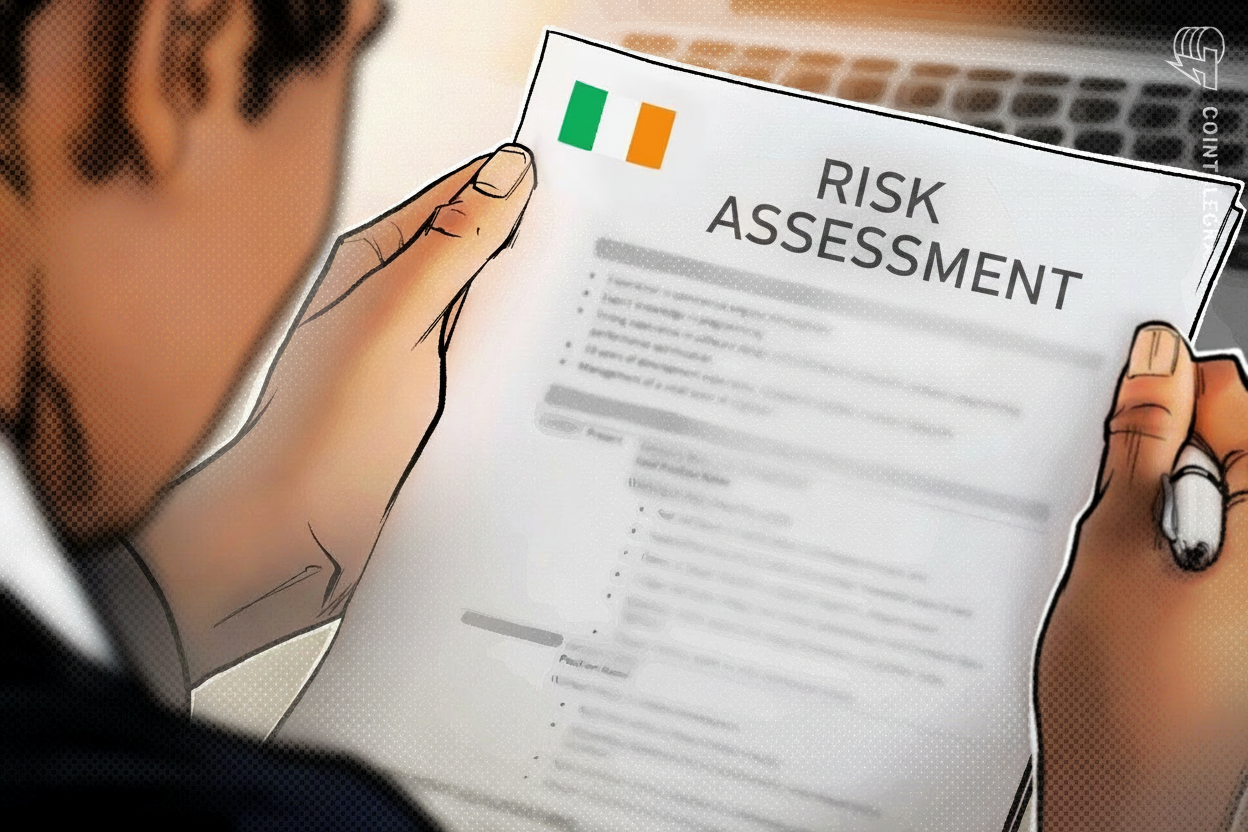
The Irish government has recently published an evaluation of digital assets, marking the first such assessment in seven years. This report highlights various financial risks associated with cryptocurrencies, particularly focusing on issues like money laundering, terrorism financing, sanctions violations, and bribery.
Why it matters
The move to reassess the landscape of cryptocurrency regulation in Ireland indicates a growing concern among authorities regarding the potential misuse of digital assets. As cryptocurrencies continue to gain popularity, the government’s focus on these risks suggests that tighter regulations could be on the horizon. This could impact not just crypto businesses operating in Ireland, but also investors and users, as compliance with new laws may lead to increased scrutiny and potential limitations on digital asset transactions.
Context
Historically, the crypto market has operated in a somewhat unregulated environment, which has allowed for significant growth but also invited scrutiny from financial watchdogs worldwide. The previous lack of formal assessments in Ireland reflects a broader trend where governments are now realizing the need for frameworks to manage the unique challenges posed by digital currencies. This shift is part of a global reevaluation as many nations work towards more stringent regulatory measures.
What it means
The Irish government's renewed focus on the risks associated with digital assets could lead to the introduction of new regulations aimed at safeguarding the financial system. If implemented, these regulations may enhance the legitimacy of the crypto market in Ireland but could also impose additional burdens on businesses and investors. As the government considers these safeguards, stakeholders in the cryptocurrency space should prepare for potential changes that could reshape the operational landscape significantly.