What happened
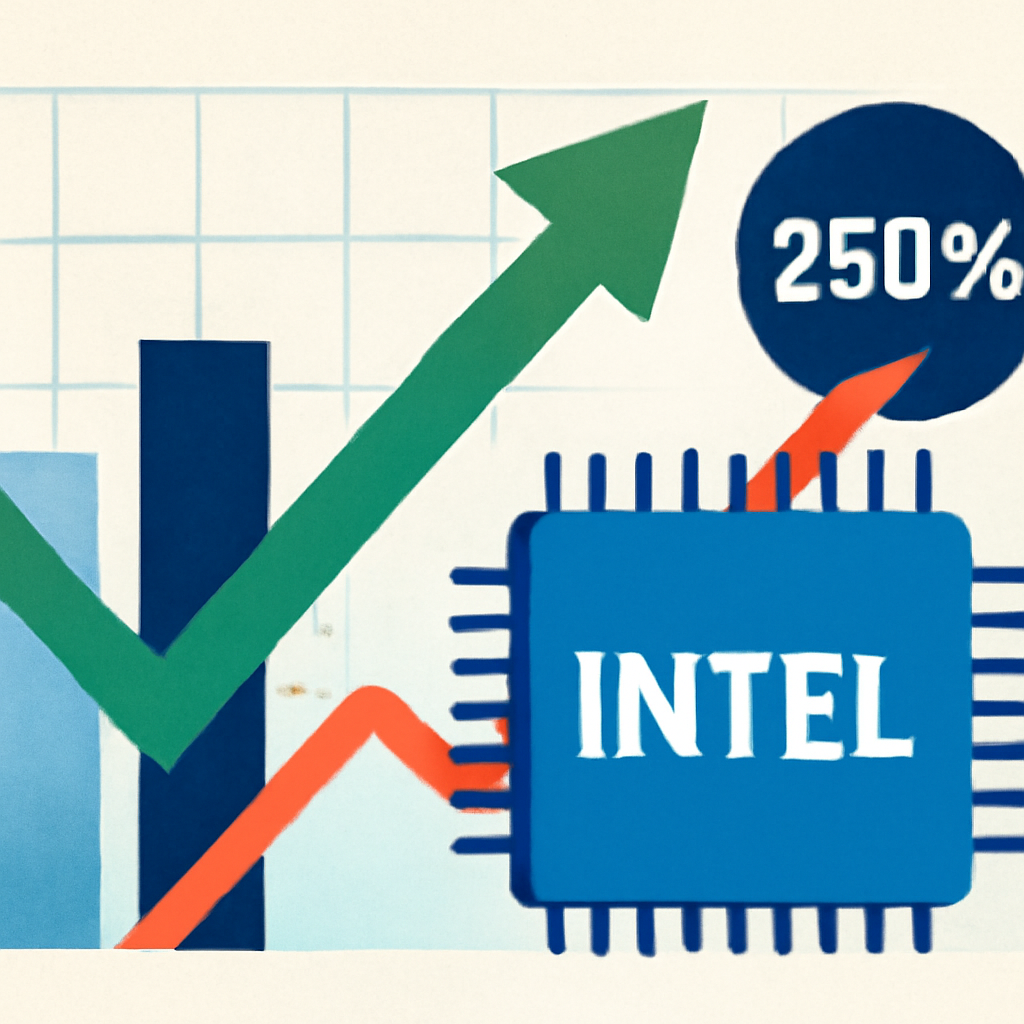
In the past year, Intel's stock price saw an astonishing increase from $25 to $135. This remarkable 250% rise comes despite the company experiencing significant financial challenges, including a $20 billion loss over the last three years and stagnant revenue figures around $50 billion, with even a slight drop recently.
Why this matters
The leap in Intel's stock price raises questions about investor sentiment and market dynamics. Such a dramatic increase in stock value, without a corresponding rise in revenue or profitability, can indicate a disconnect between market perception and the company's actual performance. This situation could potentially mislead investors and create volatility in the stock market.
Context
Historically, stock prices are closely tied to a company's financial health, including revenue growth and profitability. However, the recent trend in tech stocks has seen companies with poor financials still achieving high valuations, often fueled by speculation and market trends. Intel is not the only firm experiencing this phenomenon, which may suggest broader market behaviors rather than isolated cases.
What this means
The surge in Intel's stock price could be attributed to several factors, including speculation about groundbreaking new products, investor enthusiasm, or strategic stock buybacks. While these elements might temporarily boost stock prices, they do not necessarily indicate sustainable growth for the company. Investors should remain cautious and critically evaluate the underlying fundamentals before making any investment decisions.