What happened
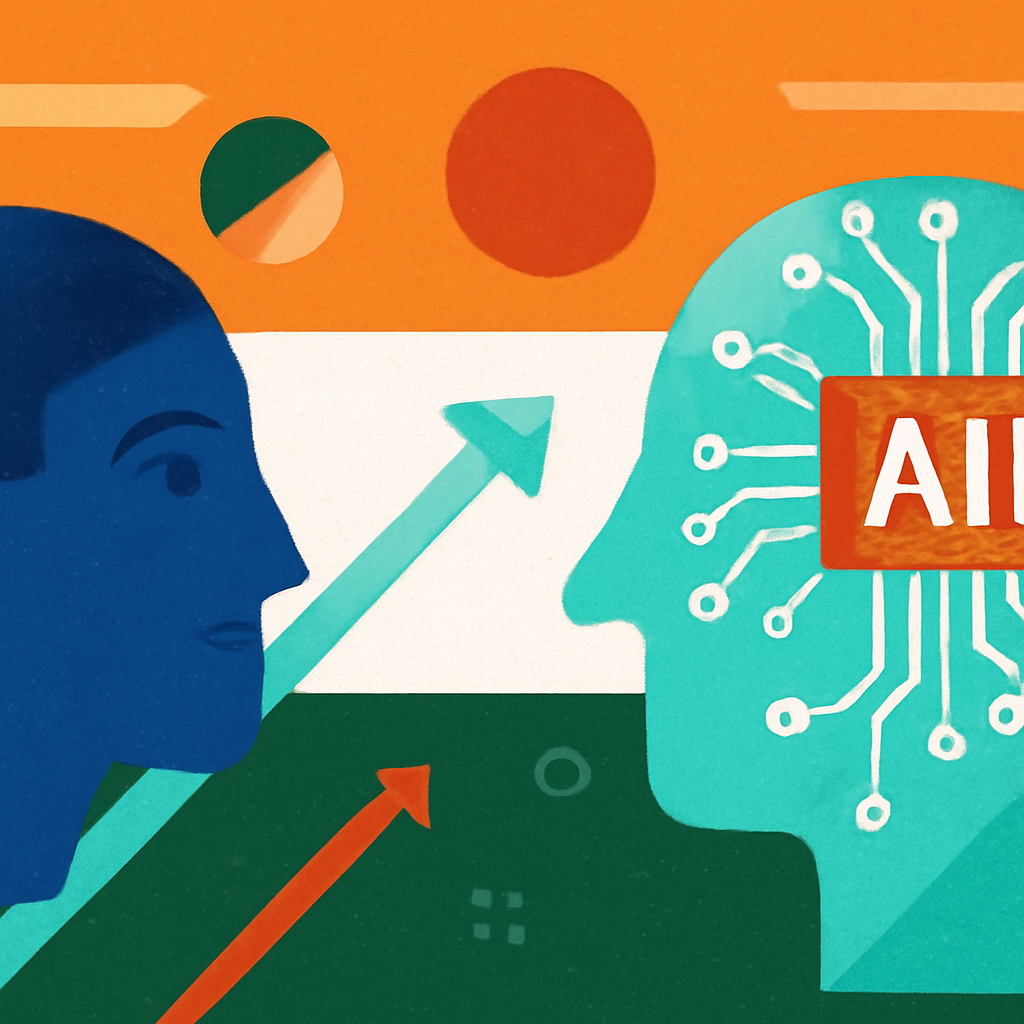
India's BharatGen has officially joined the AI Alliance's Project Tapestry, a collaborative initiative aimed at creating advanced AI models using a federated approach. Unlike traditional methods that rely on centralized labs, this project promotes joint development where multiple countries and organizations can contribute while maintaining local governance and control over their AI systems.
Why it matters
The significance of BharatGen's involvement lies not just in participation but in the potential shift towards 'sovereign' AI. This approach allows nations to develop AI technologies that align with their unique needs and regulations, fostering independence from dominant tech powers. As discussions around AI sovereignty gain traction globally, BharatGen's commitment positions India as a key player in shaping the future of AI development on the international stage.
Context
Project Tapestry emerges at a crucial time, as the G7 emphasizes the importance of AI sovereignty. The initiative represents a new paradigm in AI development, moving away from the dominance of centralized labs and towards a more distributed and collaborative model. However, the success of such federated efforts hinges on overcoming significant challenges, including data governance, computational resource sharing, and decision-making complexities that arise with multiple stakeholders.
What it means
BharatGen's role in Project Tapestry could set a precedent for how countries engage in AI development moving forward. It raises questions about the effectiveness of shared, federated projects compared to investing in standalone, national AI labs. The outcomes of this initiative will likely influence the future direction of AI capabilities in India and across participating nations, as they seek to balance collaboration with the need for local control and innovation.