What happened
OpenAI is rolling out its new AI model, GPT-5.6, but in a way that differs from traditional public launches. Instead of making it widely available, the government has requested a controlled rollout where access is granted to customers individually. This decision follows a similar approach taken by Anthropic with its model, Mythos, earlier this year.
Why this matters
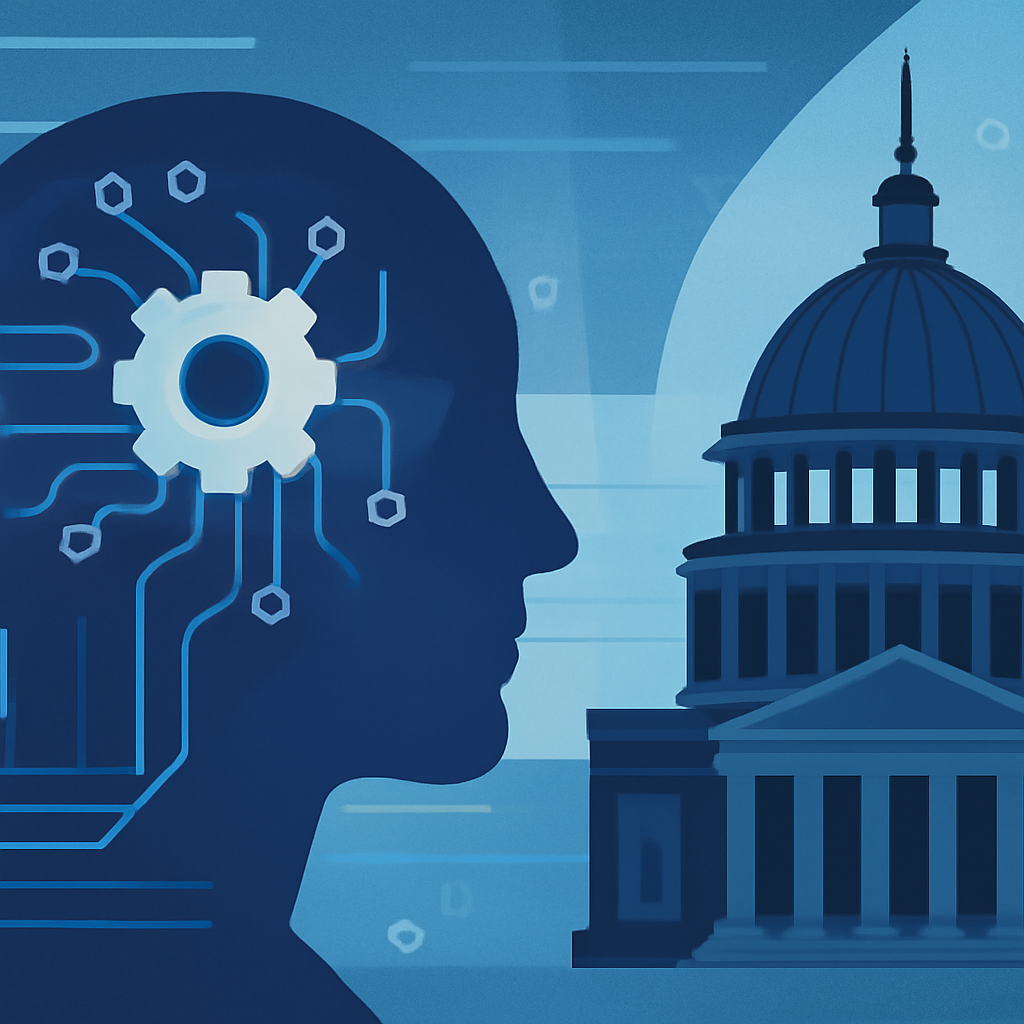
The decision to stagger access to GPT-5.6 highlights the growing influence of governmental oversight in the development and deployment of advanced AI technologies. While this can lead to more cautious and responsible usage of AI, it also means that the gap between what developers have at their disposal and what the public can access is widening. For consumers and businesses, this could delay the benefits of the latest advancements in AI technology.
Context
Historically, AI models like those created by OpenAI have been released to the public with a focus on transparency and accessibility. However, concerns over safety, ethical considerations, and potential misuse have prompted closer scrutiny from regulators. The involvement of government agencies in the approval process signals a shift toward more stringent controls in the AI landscape.
What this means
The move to a customer-by-customer approval process for GPT-5.6 raises important questions about the future of AI development. It suggests that access to cutting-edge technology may soon be determined by regulatory bodies, which could lead to slower innovation cycles. Furthermore, this approach may set a precedent for how future AI models are released, potentially impacting competition in the industry and the speed at which new technology reaches consumers.