What happened
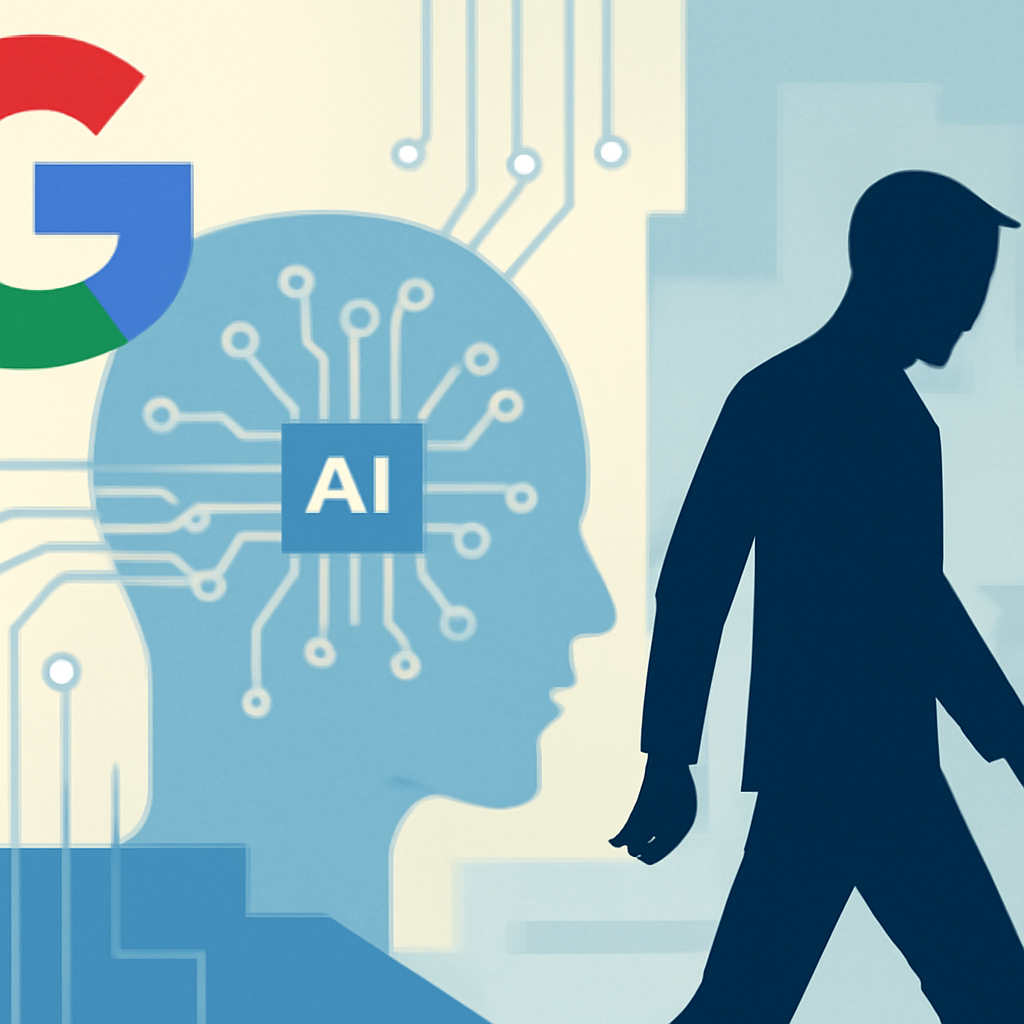
Google has recently seen a significant exodus of top AI researchers, including notable figures like Shazeer, John Jumper, and others. These departures have sparked discussions about the implications for Google and the wider AI landscape, leading many to speculate that the company's competitive advantage may not be as robust as previously thought.
Why this matters
The movement of key talent from Google to rival firms like OpenAI and Anthropic raises questions about the true assets in AI development. Traditionally, the focus has been on data and model weights, but the recent shifts suggest that the knowledge and expertise of researchers may hold more value. If skilled individuals can quickly contribute to the success of competing projects, it indicates that the foundational models themselves may not be the sole determinant of an organization's success in AI.
Context
Historically, companies have invested heavily in both hardware and software to develop sophisticated AI models. However, the rapid changes in personnel suggest that the intellectual capital, or the know-how to effectively guide AI development, is what truly drives innovation. This shift challenges the conventional wisdom that proprietary models and their weights are the ultimate competitive advantage.
What this means
The implications of this talent drain are profound. Organizations relying on a single provider's model might find themselves vulnerable to shifts in talent and capability across the industry. As researchers move between labs, it's vital for companies to maintain flexibility in their AI strategies, ensuring they are not overly dependent on one model or provider. Emphasizing swappable model layers allows firms to adapt quickly and mitigate risks associated with personnel changes. In this evolving landscape, the focus should be on developing adaptable strategies rather than betting everything on the success of a single lab's approach.