What happened
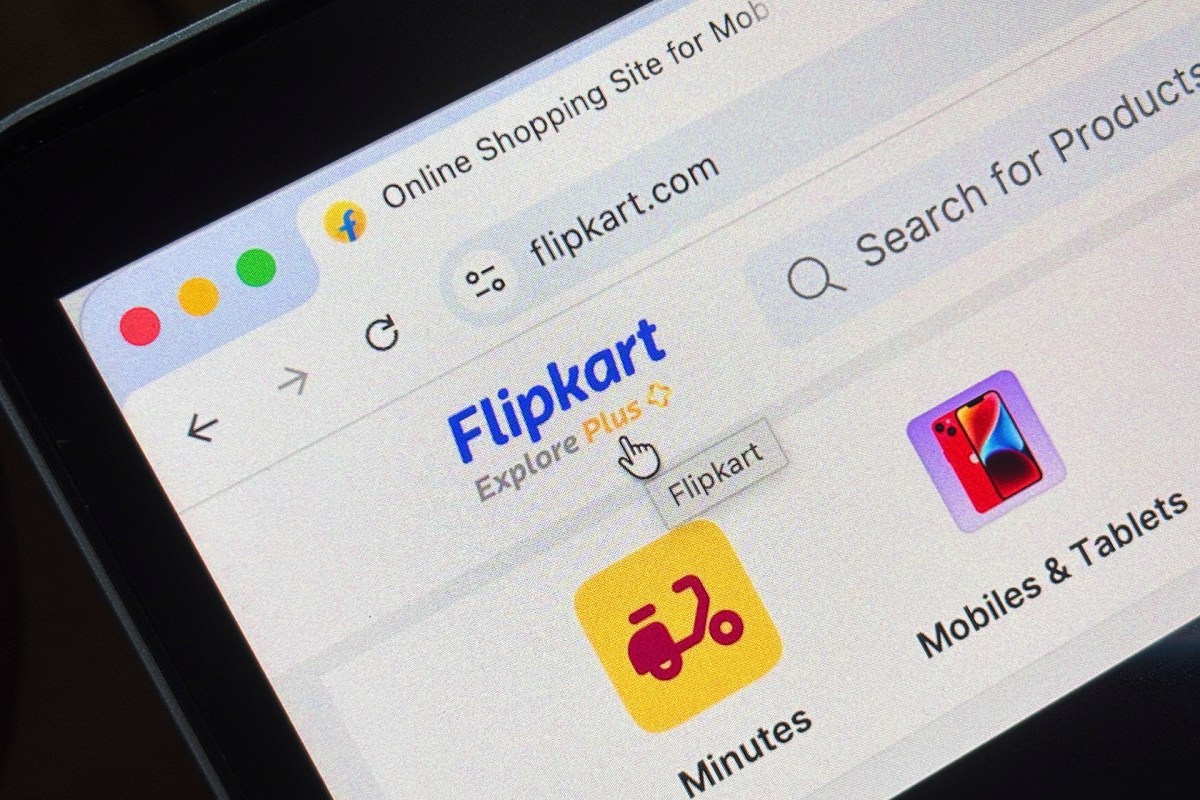
Flipkart, the Indian e-commerce giant backed by Walmart, has hit a significant milestone by launching over 1,000 micro-fulfillment centers across the country. This expansion comes as Amazon intensifies its own efforts in the quick-commerce market in India, making the competition between these two retail giants fiercer than ever.
Why it matters
The rise of quick-commerce is transforming how consumers shop, with a growing demand for faster delivery times. Flipkart's expansion indicates a strategic move to capitalize on this trend, aiming to provide customers with immediate access to a wide range of products. As Amazon steps up its game in the same sector, this rivalry will likely lead to innovative services and better prices for consumers, further altering the e-commerce landscape in India.
Context
The quick-commerce sector has seen explosive growth in recent years, fueled by changing consumer preferences and the pandemic's impact on shopping habits. Micro-fulfillment centers are small warehouses located close to urban areas, enabling companies to offer speedy deliveries. Flipkart's achievement of 1,000 centers marks a significant step in its strategy to dominate this space, especially as online shopping continues to gain traction in India.
What it means
The competition between Flipkart and Amazon in the quick-commerce arena will likely spur advancements in logistics and customer service. As both companies invest heavily in infrastructure and technology, consumers can expect faster delivery options and a wider selection of products. This arms race could also boost job creation in the logistics sector, further contributing to India's economic growth.