What happened
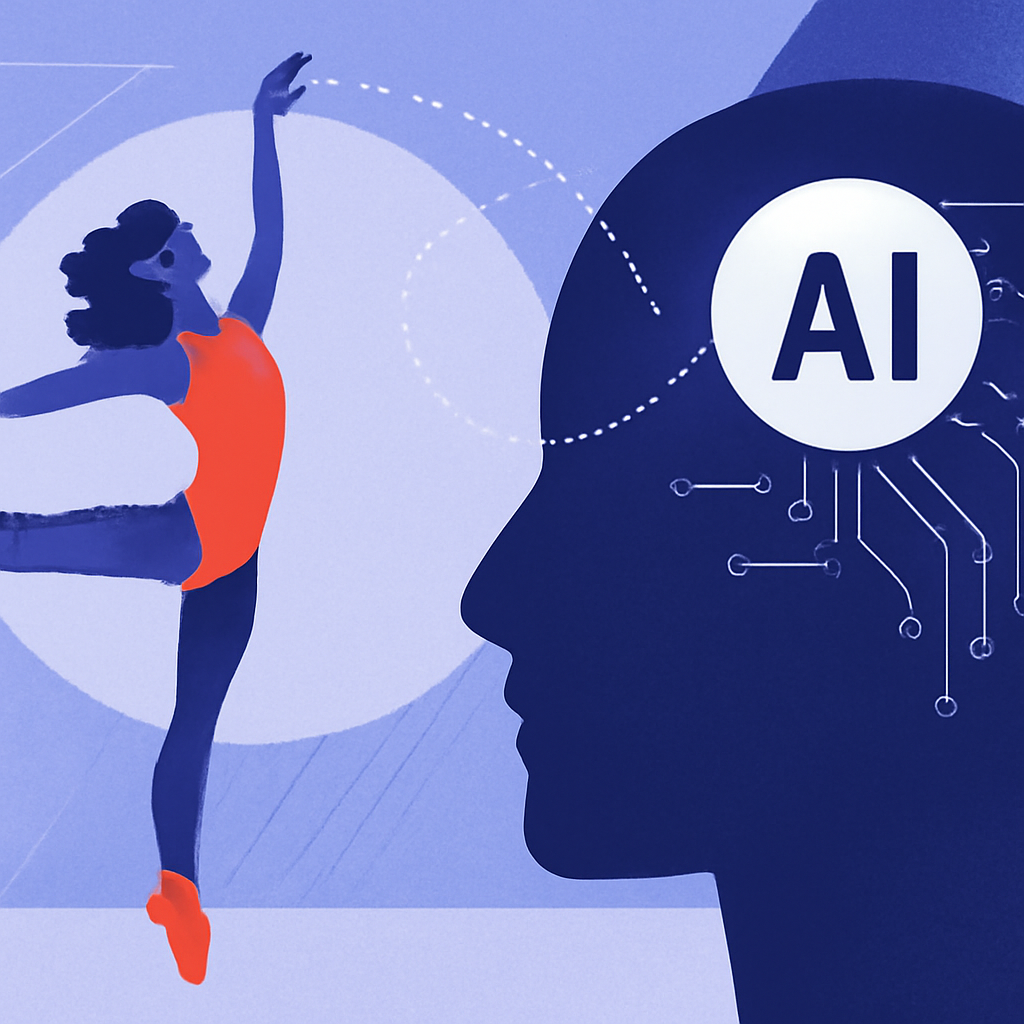
Researchers conducted a series of experiments using generative video technologies to create synthetic choreographies. By leveraging Uisato Studio’s Seedance 2.0 Video mode, they explored how AI can handle rhythm, camera movements, body transformations, and audiovisual synchronization. The project involved inputting a full-body image of an artist, a short audio clip of less than 15 seconds, and a director's intent to guide the AI in generating dance clips.
Why this matters
The implications of this research are significant for both the creative and tech industries. As AI tools become more sophisticated, they open up new avenues for artists to collaborate with technology, allowing for innovative performances that blend human creativity with machine precision. This could revolutionize how choreographies are created and shared, impacting everything from live performances to social media content.
Context
The study builds on the advancement of generative AI technologies that have gained traction in recent years. Tools like Midjourney and GPT Image are increasingly being integrated into creative workflows, allowing artists to create visuals and performances that were previously unimaginable. This shift marks a departure from traditional choreography, where human intuition and experience have long been paramount.
What this means
The experiments reveal that AI can effectively contribute to the creative process, producing unique dance performances that can be refined by human editors. As AI continues to evolve, we might see a future where artists can push the boundaries of their work by collaborating with intelligent systems, leading to a new genre of performance art. The success of this project invites further exploration into how AI can enhance or even redefine the boundaries of artistic expression.