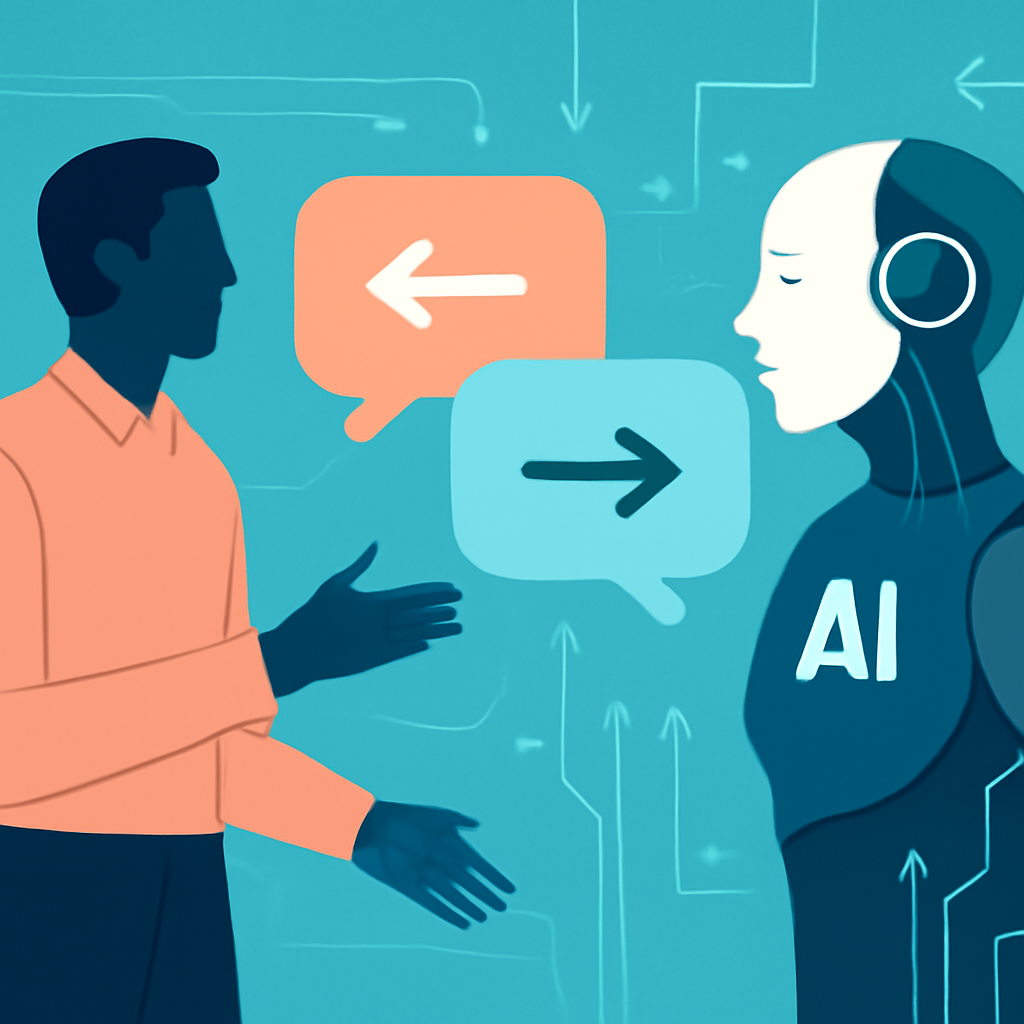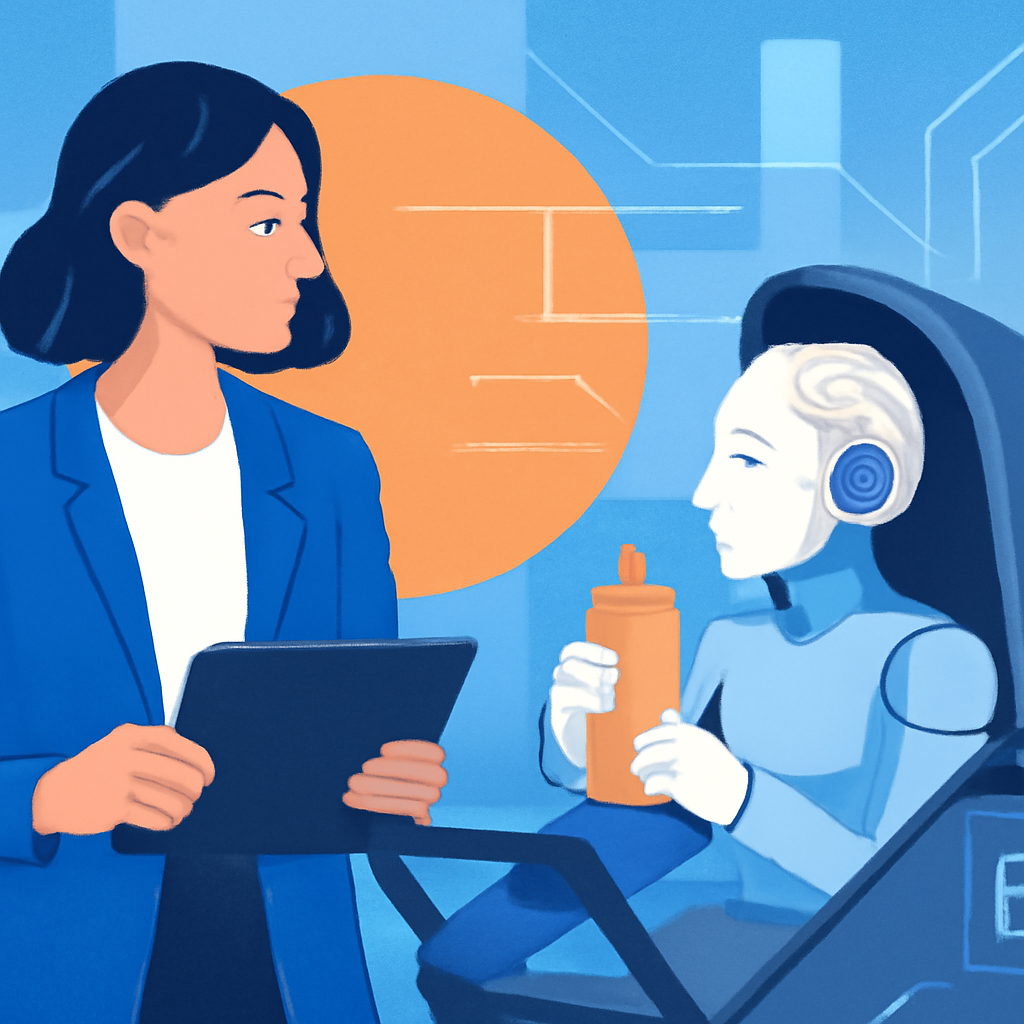
In recent years, the introduction of artificial intelligence into office processes promised to reduce the time spent on routine tasks. However, in practice, employees face an unexpected challenge. A study conducted by the Work AI Institute in collaboration with researchers from Stanford, Berkeley, and the University of Notre Dame revealed that workers spend an average of 6.4 hours per week on "bot-sitting" — the process of overseeing and monitoring AI decisions.
These hours, which were supposed to be freed up by automation, are now spent ensuring that neural networks function correctly. This situation raises questions about the actual effectiveness of technology implementation and whether it genuinely frees employees from routine work.
Thus, instead of easing the workload, artificial intelligence has become an additional burden, requiring attention and control from employees. This underscores the need to reevaluate approaches to integrating AI into workflows and to seek ways to optimize human-machine interaction.