What happened
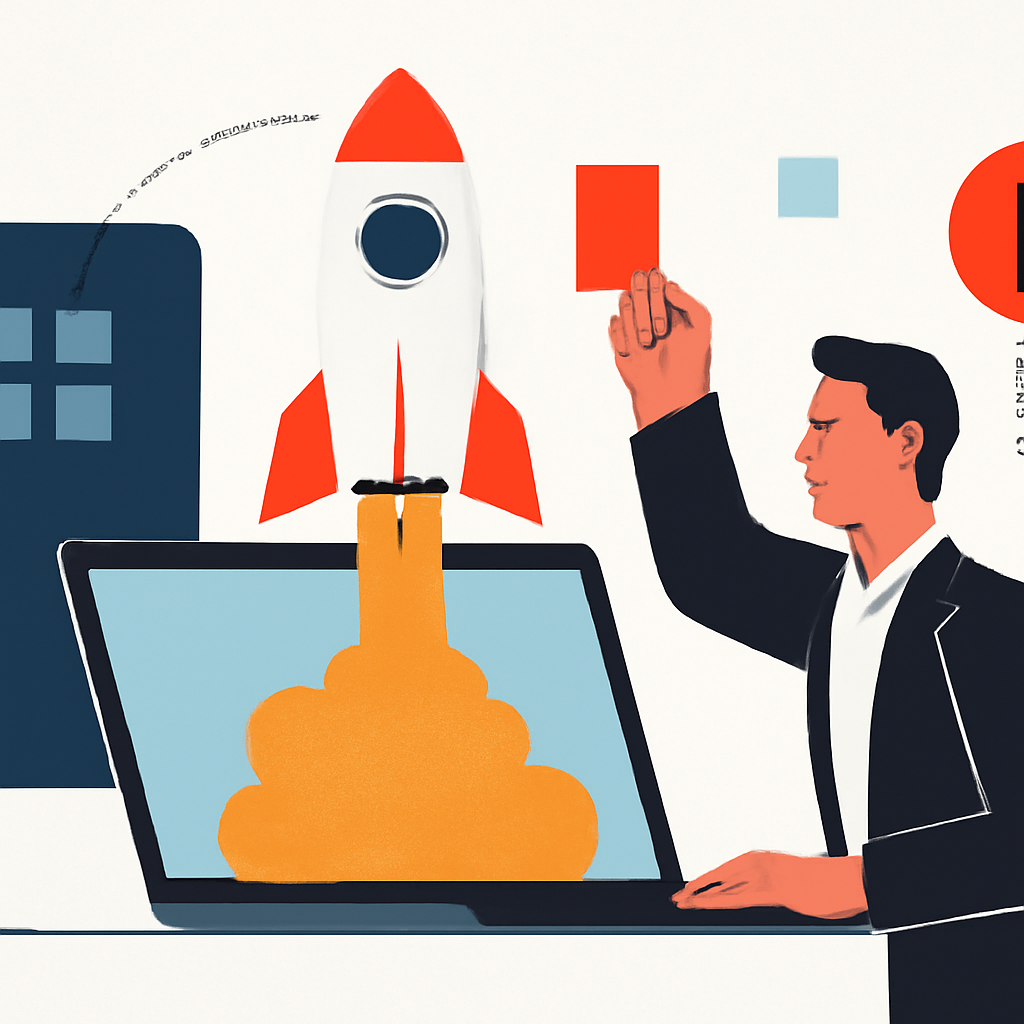
The barrier to launching software has dramatically lowered, allowing almost anyone to create a Software as a Service (SaaS) product within a short timeframe. While this democratization of software development seems beneficial, it has led to a surge of subpar tools entering the market. Many of these products appear polished enough to sell, yet they often fail to deliver as promised, leaving users frustrated.
Why this matters
The influx of these low-quality SaaS offerings is creating a ripple effect across the market. Users are increasingly encountering unusable features, broken workflows, and inadequate support. This deterioration in user experience can lead to a loss of trust in new software solutions. As burned users become more skeptical, it becomes harder for legitimate products to gain traction, ultimately stunting innovation in the sector.
Context
Historically, the software industry has undergone various shifts, especially with the rise of cloud computing and agile development practices. However, the current environment is marked by an overwhelming volume of rushed launches. Founders are prioritizing speed over quality, resulting in products that do not meet user needs. This phenomenon points to a broader issue where the ease of entry doesn't align with a commitment to quality.
What this means
The current landscape indicates a pressing need for better standards and practices in software development. As more tools flood the market, consumers must become more discerning to avoid the pitfalls of poorly constructed applications. Additionally, for developers, the pressure to deliver quality from the outset will be essential, as the long-term success of their products relies on user satisfaction. If the industry does not address these issues, it risks damaging the overall reputation of SaaS products, making it difficult for new entrants to succeed in the future.