What happened
The discussion around the AI race often centers on competing models, like GPT-6 or Claude 5. However, there's a growing perspective that the real battleground may be about trust and how effectively organizations can integrate AI into their operations. The concern is whether companies will adopt AI solutions that, while cheaper and nearly as effective, come from sources they might not fully trust.
Why this matters
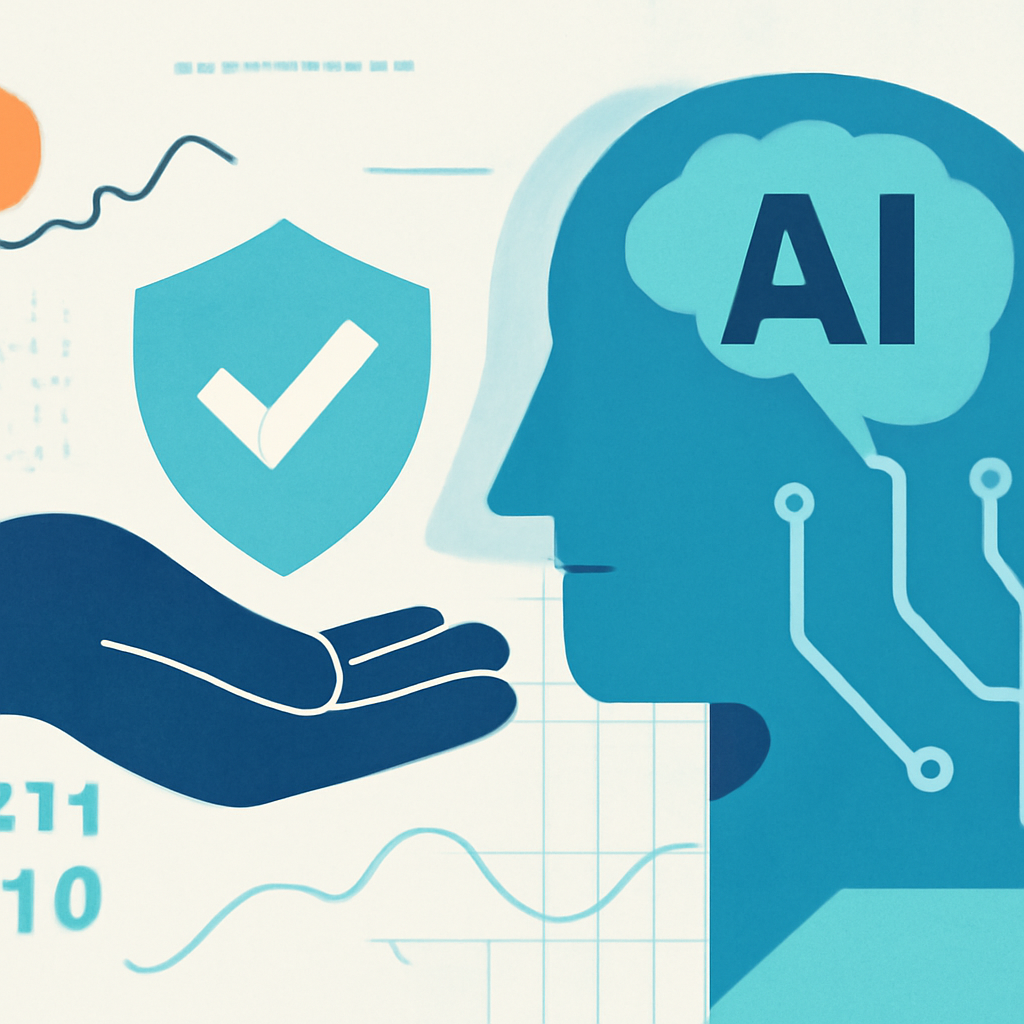
This shift in focus from intelligence to trust could have significant implications for the market. If organizations are hesitant to adopt AI due to concerns over reliability and governance, they may opt for more established solutions, even if they are pricier. This could lead to a landscape where trust becomes a primary differentiator for AI providers, affecting pricing, adoption rates, and overall market dynamics.
Context
Historically, AI advancements have been marked by the development of increasingly sophisticated models. However, as these technologies become more commonplace, the conversation may be moving toward how well these models can be integrated into existing organizational frameworks. Companies like Palantir and SAP have thrived by focusing on the complexities of organizational needs, suggesting a potential shift in what is valued in AI applications.
What this means
If AI models continue to commoditize, the focus will likely shift to how organizations can effectively manage and integrate these tools. Trust, governance, and the ability to navigate organizational complexity may become more important than the models themselves. This could lead to a scenario where enterprise software, emphasizing reliability and integration, holds more long-term value than the underlying AI technology. Ultimately, the future of AI may not be defined by who has the best algorithms, but by who can foster the most trust and seamless integration within complex organizations.